API Basics for Customer Support Integrations Training Course
API Basics for Customer Support Integrations Training Course provides a practical and accessible introduction to API fundamentals, focusing on how RESTful APIs, authentication models, and integration patterns streamline customer experience (CX) operations.
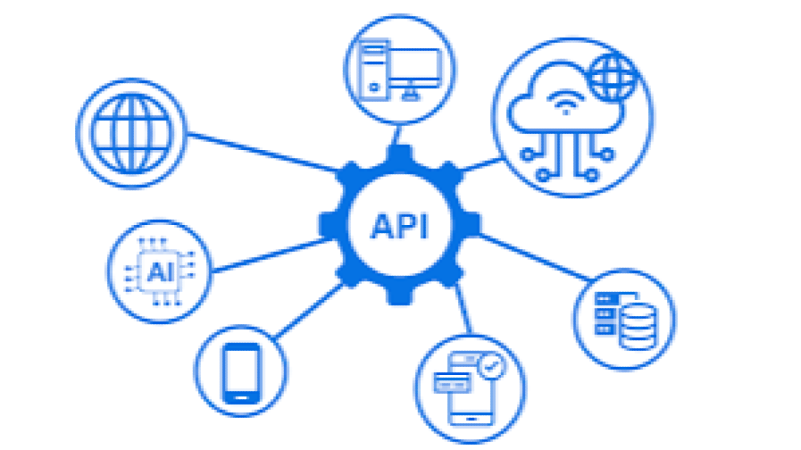
Course Overview
API Basics for Customer Support Integrations Training Course
Introduction
APIs have become the backbone of modern customer support ecosystems, enabling seamless data exchange, workflow automation, and real-time communication between helpdesk platforms, CRM systems, and ticketing applications. API Basics for Customer Support Integrations Training Course provides a practical and accessible introduction to API fundamentals, focusing on how RESTful APIs, authentication models, and integration patterns streamline customer experience (CX) operations. Participants gain hands-on insight into how APIs optimize support processes, enhance operational efficiency, and improve response accuracy using modern integration techniques.
As customer expectations evolve, organizations increasingly rely on cloud-based support tools, AI-powered automation, and integration-first strategies. This training equips learners with the skills to design and implement stable, scalable API connections that deliver improved ticket resolution workflows, personalized service, and unified support analytics. Through real-world case studies and practical exercises, participants will learn how to integrate APIs into customer support environments securely and efficiently.
Course Duration
5 days
Course Objectives
- Understand API architecture fundamentals and REST-based communication.
- Apply OAuth 2.0 and token-based authentication for secure integrations.
- Implement JSON payload handling for customer support workflows.
- Configure webhooks for real-time ticket updates and automated alerts.
- Integrate APIs with popular CRM platforms
- Build error-resilient support automation workflows using APIs.
- Analyze API logs for performance optimization and observability.
- Use rate limiting and throttling strategies to maintain system stability.
- Leverage APIs for omnichannel customer engagement.
- Apply API versioning best practices in long-term integration projects.
- Implement data mapping and transformation for unified support dashboards.
- Utilize API testing tools for validation and debugging.
- Develop scalable integration prototypes aligned with enterprise support needs.
Target Audience
- Customer Support Engineers
- Technical Support Specialists
- CRM Administrators
- Integration Developers
- IT Operations Teams
- Helpdesk Managers
- Product Support Analysts
- Customer Experience (CX) Technologists
Course Modules
Module 1: Introduction to APIs in Customer Support
- What is an API?
- REST and SOAP
- JSON & XML data formats
- How APIs streamline support workflows
- Common support ecosystem integrations
- Case Study: A logistics company integrates REST APIs to unify ticketing across three platforms.
Module 2: Authentication & Security Essentials
- API keys, OAuth 2.0, and token handling
- Secure transmission using HTTPS
- Role-based access for support systems
- Handling sensitive customer data
- Best practices for secure API endpoints
- Case Study: A healthcare support team uses OAuth to protect patient inquiry data.
Module 3: Working with Customer Support Tickets via APIs
- Creating, reading, updating tickets
- Assigning agents programmatically
- Ticket status automation
- Custom fields and metadata
- Integrating chat transcripts
- Case Study: An e-commerce brand automates ticket creation from abandoned chat sessions.
Module 4: Webhooks & Real-Time Notifications
- How webhooks work
- Subscribing to ticket events
- Payload processing and validation
- Using webhooks to power SLAs
- Error handling for webhook failures
- Case Study: A SaaS company uses webhooks to trigger instant billing dispute alerts.
Module 5: CRM & Helpdesk API Integrations
- Connecting APIs to Zendesk, Freshdesk, Salesforce
- Customer data enrichment
- Contact synchronization
- Multi-system ticket referencing
- Embedding support widgets
- Case Study: A telecom provider synchronizes CRM and helpdesk data to reduce repeat inquiries.
Module 6: Workflow Automation Using APIs
- Auto-assign routing rules
- Trigger-based escalations
- AI-based sentiment analysis via API
- Automated messaging responses
- Cross-channel support workflows
- Case Study: An insurance firm implements automated follow-up messages for claim updates.
Module 7: Testing & Monitoring APIs
- Using Postman for testing
- API schema validation
- Monitoring uptime and latency
- Error code diagnostics
- Logging best practices
- Case Study: A fintech support team reduces downtime using continuous API monitoring.
Module 8: Building Scalable Integration Projects
- Versioning and lifecycle management
- Handling rate limits
- Caching strategies
- Deployment readiness
- Documentation and handover
- Case Study: A global retail brand scales API calls during holiday sales without downtime.
Training Methodology
This course employs a participatory and hands-on approach to ensure practical learning, including:
- Interactive lectures and presentations.
- Group discussions and brainstorming sessions.
- Hands-on exercises using real-world datasets.
- Role-playing and scenario-based simulations.
- Analysis of case studies to bridge theory and practice.
- Peer-to-peer learning and networking.
- Expert-led Q&A sessions.
- Continuous feedback and personalized guidance.
Register as a group from 3 participants for a Discount
Send us an email: info@datastatresearch.org or call +254724527104
Certification
Upon successful completion of this training, participants will be issued with a globally- recognized certificate.
Tailor-Made Course
We also offer tailor-made courses based on your needs.
Key Notes
a. The participant must be conversant with English.
b. Upon completion of training the participant will be issued with an Authorized Training Certificate
c. Course duration is flexible and the contents can be modified to fit any number of days.
d. The course fee includes facilitation training materials, 2 coffee breaks, buffet lunch and A Certificate upon successful completion of Training.
e. One-year post-training support Consultation and Coaching provided after the course.
f. Payment should be done at least a week before commence of the training, to DATASTAT CONSULTANCY LTD account, as indicated in the invoice so as to enable us prepare better for you.