Applied Ecology Training Course
Applied Ecology Training Course is designed to provide participants with comprehensive knowledge and hands-on skills to address ecological challenges in todayΓÇÖs rapidly changing environment.
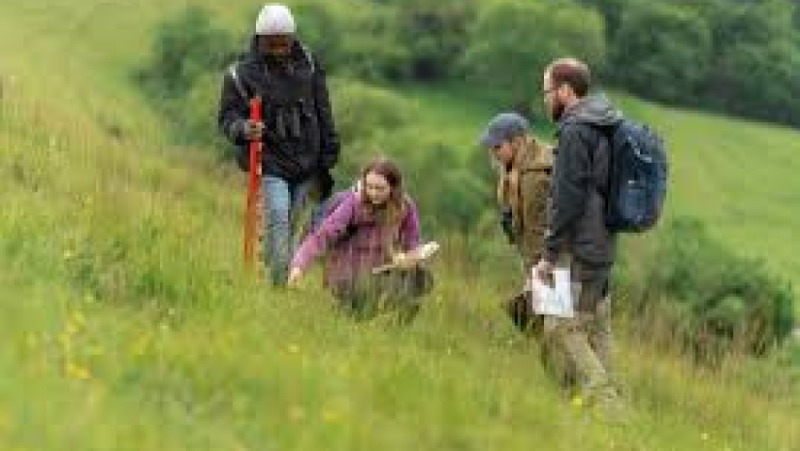
Course Overview
Applied Ecology Training Course
Introduction
Applied Ecology Training Course is designed to provide participants with comprehensive knowledge and hands-on skills to address ecological challenges in todayΓÇÖs rapidly changing environment. The course emphasizes applied ecological principles, ecosystem management, biodiversity conservation, and sustainable natural resource use. It integrates scientific knowledge with practical solutions, ensuring participants develop the capacity to make evidence-based ecological decisions. The training also highlights advanced ecological modeling, environmental impact assessment, and climate-smart ecological practices to ensure sustainable outcomes.
This course aims to bridge the gap between ecological theory and practice. By combining field-based case studies, interactive learning sessions, and applied research, participants will develop actionable skills that can be used in environmental conservation, restoration projects, and policy design. The program also equips learners to evaluate ecosystem services, mitigate human-wildlife conflicts, and apply innovative ecological monitoring techniques. It is ideal for professionals who seek to promote sustainability while addressing real-world environmental and socio-economic challenges.
Course Objectives
- Develop advanced understanding of applied ecology and its relevance in sustainable resource management.
- Enhance skills in biodiversity conservation and ecological restoration.
- Apply ecological modeling tools for environmental planning.
- Assess environmental impacts through structured ecological frameworks.
- Strengthen capacity in climate change adaptation and resilience strategies.
- Explore ecological monitoring and evaluation systems.
- Build expertise in landscape and habitat management practices.
- Integrate socio-ecological systems for sustainable development.
- Analyze ecosystem services and their economic valuation.
- Address challenges of invasive species management.
- Improve understanding of conservation policies and governance frameworks.
- Apply community-based approaches in ecological management.
- Strengthen ecological decision-making for sustainable futures.
Organizational Benefits
- Improved capacity to implement evidence-based ecological management.
- Strengthened compliance with environmental standards and policies.
- Enhanced corporate image through sustainable ecological practices.
- Increased efficiency in resource utilization and biodiversity protection.
- Reduced risks associated with climate change and environmental degradation.
- Improved decision-making in ecological and environmental projects.
- Access to advanced ecological modeling and monitoring tools.
- Strengthened partnerships with conservation stakeholders.
- Improved sustainability reporting and accountability.
- Enhanced competitiveness in ecological project implementation.
Target Audiences
- Environmental professionals and practitioners
- Conservation managers and biodiversity officers
- Policy makers in environmental and natural resource management
- Researchers and ecological scientists
- Environmental impact assessment consultants
- Climate change and sustainability experts
- Community-based conservation leaders
- Development partners and NGOs in ecological management
Course Duration: 5 days
Course Modules
Module 1: Introduction to Applied Ecology
- Principles of applied ecology and sustainability
- Relationship between ecology and socio-economic development
- Key challenges in applied ecological practices
- Case study on ecosystem degradation and restoration
- Tools for ecological assessment
- Field-based ecological applications
Module 2: Biodiversity Conservation and Management
- Importance of biodiversity and ecosystem services
- Strategies for biodiversity protection
- Conservation hotspots and protected areas management
- Case study on biodiversity restoration projects
- Community engagement in conservation programs
- Monitoring biodiversity indicators
Module 3: Ecological Modeling and Planning
- Role of ecological models in planning
- Tools for ecological simulation and prediction
- Ecological forecasting techniques
- Case study on ecological modeling for land use planning
- Integration of data-driven ecological approaches
- Policy implications of ecological models
Module 4: Environmental Impact Assessment in Ecology
- Key principles of environmental impact assessment (EIA)
- Ecological risk assessments in EIA frameworks
- Mitigation and adaptive strategies in EIA
- Case study on EIA for industrial development projects
- Tools and guidelines for ecological EIA
- Reporting and compliance in environmental assessments
Module 5: Climate Change and Applied Ecology
- Impacts of climate change on ecosystems
- Ecological adaptation and mitigation strategies
- Climate-smart ecological practices
- Case study on climate change impacts on biodiversity
- Policy frameworks for climate resilience
- Monitoring and reporting climate adaptation outcomes
Module 6: Ecological Monitoring and Evaluation
- Importance of ecological monitoring systems
- Indicators for ecological performance evaluation
- Technological innovations in ecological monitoring
- Case study on remote sensing in ecosystem monitoring
- Linking ecological data to decision-making
- Challenges in ecological monitoring implementation
Module 7: Landscape and Habitat Management
- Principles of landscape ecology
- Habitat management strategies for conservation
- Restoration of degraded landscapes
- Case study on habitat restoration projects
- Tools for landscape ecological planning
- Policy and governance in habitat management
Module 8: Socio-Ecological Systems and Sustainability
- Understanding socio-ecological linkages
- Community-based natural resource management
- Integrating traditional ecological knowledge
- Case study on socio-ecological resilience
- Governance frameworks for socio-ecological systems
- Strategies for sustainable ecological development
Training Methodology
- Interactive lectures and expert-led discussions
- Practical group exercises and simulations
- Case studies showcasing real-world ecological applications
- Field visits and hands-on learning experiences
- Use of advanced ecological modeling tools
- Participant-driven presentations and feedback sessions
Register as a group from 3 participants for a Discount
Send us an email: info@datastatresearch.org or call +254724527104
Certification
Upon successful completion of this training, participants will be issued with a globally- recognized certificate.
Tailor-Made Course
We also offer tailor-made courses based on your needs.
Key Notes
a. The participant must be conversant with English.
b. Upon completion of training the participant will be issued with an Authorized Training Certificate
c. Course duration is flexible and the contents can be modified to fit any number of days.
d. The course fee includes facilitation training materials, 2 coffee breaks, buffet lunch and A Certificate upon successful completion of Training.
e. One-year post-training support Consultation and Coaching provided after the course.
f. Payment should be done at least a week before commence of the training, to DATASTAT CONSULTANCY LTD account, as indicated in the invoice so as to enable us prepare better for you.