Benefits Administration in ERP Systems Training Course
. Benefits Administration in ERP Systems Training Course is designed to empower HR professionals, benefits specialists, and system analysts to master the configuration, optimization, and strategic utilization of the Benefits Administration module within a modern ERP platform.
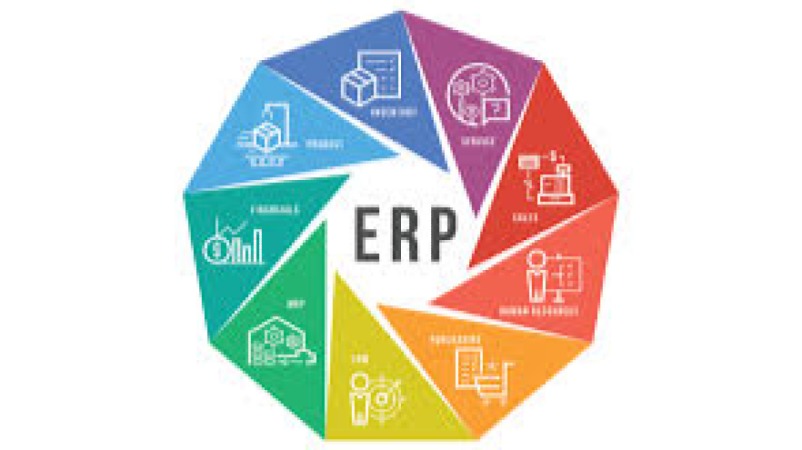
Course Overview
Benefits Administration in ERP Systems Training Course
Introduction
In today's fast-paced, digitally transformed business landscape, the efficient management of employee benefits is a critical differentiator for attracting and retaining top talent. Traditional, manual benefits administration processes are inherently complex, time-consuming, and prone to costly errors, especially when managing diverse global workforces and evolving regulatory compliance requirements. Enterprise Resource Planning (ERP) systems offer the definitive solution by providing an integrated, single source of truth for all Human Capital Management (HCM) functions. Benefits Administration in ERP Systems Training Course is designed to empower HR professionals, benefits specialists, and system analysts to master the configuration, optimization, and strategic utilization of the Benefits Administration module within a modern ERP platform. Strong knowledge in this domain is essential for driving organizational HR process automation, ensuring data integrity, and leveraging real-time analytics to transition from administrative overhead to a truly strategic HR business partner.
This program delivers a hands-on, process-centric approach to Benefits Administration in an ERP environment, moving beyond simple software navigation to cover deep system configuration and compliance best practices. Participants will gain expertise in automating complex eligibility rules, integrating benefits with payroll management, and managing annual open enrollment cycles with maximum efficiency. With a focus on cloud ERP solutions and intelligent automation, the training emphasizes how to design and deliver a highly personalized and engaging employee benefits experience. By bridging the gap between HR strategy and technical ERP capability, this course ensures graduates are equipped to lead successful ERP implementation and system optimization projects, directly contributing to operational efficiency and employee engagement within their organizations.
Course Duration
5 days
Course Objectives
- Master ERP Benefits Configuration and system setup for global organizations.
- Implement Automated Eligibility Rules and lifecycle event management.
- Configure and execute the Annual Open Enrollment process digitally.
- Ensure seamless Benefits-Payroll Integration for accurate deductions and reporting.
- Apply Regulatory Compliance frameworks within the ERP system.
- Leverage Real-Time Analytics and HR Dashboards for strategic decision-making.
- Design a best-in-class Employee Self-Service (ESS) benefits portal.
- Manage Vendor Integration and data exchange with third-party benefit carriers.
- Optimize Benefits Cost Management through system reporting and modeling.
- Understand Cloud HCM architecture and its impact on benefits delivery.
- Implement Robotic Process Automation (RPA) for routine benefits tasks.
- Conduct Data Migration and validation for benefits history during ERP transition.
- Troubleshoot common system issues related to Benefits Master Data and enrollment logic.
Target Audience
- HRIS Analysts and Specialists
- Benefits Administrators and Managers
- HR Business Partners (HRBPs)
- Payroll Specialists and Accountants
- ERP/HCM Implementation Consultants
- IT Professionals supporting HR Systems
- Compensation and Total Rewards Managers
- Project Managers for HR Digital Transformation
Course Modules
Module 1: Foundations of ERP Benefits Administration
- ERP HCM Module Overview.
- Understanding Benefits Master Data.
- Key System Configuration tasks.
- Case Study: Global Manufacturer standardizing benefits definitions across 10 countries in their new Cloud ERP.
- Process mapping.
Module 2: Eligibility and Enrollment Logic
- Configuring complex Eligibility Rules based on employment status and location.
- Automating Life Event changes and qualified status changes.
- System design for different Contribution Models
- Case Study: Tech Startup implementing auto-enrollment and auto-termination for various benefit plans to minimize administrative lag.
- Building a custom formula for an age-based eligibility requirement.
Module 3: Annual Open Enrollment Management
- Planning and scheduling the system-driven Open Enrollment window.
- Designing and testing the Employee Self-Service (ESS) enrollment interface.
- Managing system deadlines, reminders, and default enrollment rules.
- Case Study: A Healthcare Provider moving a paper-based open enrollment to a 100% digital, two-week cycle, achieving 98% on-time completion.
- Techniques for mass updating rates and plan options for the new benefit year.
Module 4: Benefits-Payroll and Financial Integration
- Mapping benefit deductions to Payroll Management elements.
- Configuring pre-tax and post-tax deduction processing logic.
- Reconciliation of employee deductions with general ledger accounts.
- Case Study: A large Retail Chain resolving recurring payroll deduction errors through better integration between the Benefits and Finance modules, saving $50k annually.
- Generating audit trails for benefits costing and financial controls.
Module 5: Regulatory Compliance and Reporting
- Implementing system features to support ACA Reporting and mandate tracking.
- Configuring data privacy controls and access restrictions for sensitive data.
- Generating statutory compliance reports
- Case Study: A Financial Services Firm using ERP audit logs to successfully defend against a compliance inquiry regarding benefits offer documentation.
- Best practices for data retention and archival of benefits enrollment records.
Module 6: Vendor and Carrier Integration
- Understanding common API and SFTP standards for carrier connections.
- Setting up and monitoring outbound Carrier Files
- Processing inbound confirmation and error reports from third-party vendors.
- Case Study: A University System automating daily data feeds to its dental and retirement plan vendors, reducing manual file submission from hours to minutes.
- Configuration of system alerts for file transmission failures.
Module 7: Advanced Features and Optimization
- Exploring AI/Machine Learning applications for benefits recommendation engines.
- Implementing Robotic Process Automation (RPA) for reconciliation tasks.
- Using HR Analytics dashboards for benefits utilization and cost trends.
- Case Study: A mid-sized Energy Company using predictive analytics to model the cost impact of potential plan changes before finalizing negotiations.
- Strategies for maximizing Employee Experience (EX) via the benefits portal design.
Module 8: Implementation and Post-Go-Live Support
- Developing a Benefits Data Migration and validation strategy.
- Creating a robust User Acceptance Testing (UAT) plan for benefits cycles.
- Post-go-live support planning and creating a Knowledge Base for end-users.
- Case Study: Analyzing the common failure points in an ERP benefits go-live and defining a structured rollback plan.
- Continuous improvement: Identifying opportunities for further process automation after initial deployment.
Training Methodology
This course employs a participatory and hands-on approach to ensure practical learning, including:
- Interactive lectures and presentations.
- Group discussions and brainstorming sessions.
- Hands-on exercises using real-world datasets.
- Role-playing and scenario-based simulations.
- Analysis of case studies to bridge theory and practice.
- Peer-to-peer learning and networking.
- Expert-led Q&A sessions.
- Continuous feedback and personalized guidance.
Register as a group from 3 participants for a Discount
Send us an email: info@datastatresearch.org or call +254724527104
Certification
Upon successful completion of this training, participants will be issued with a globally- recognized certificate.
Tailor-Made Course
We also offer tailor-made courses based on your needs.
Key Notes
a. The participant must be conversant with English.
b. Upon completion of training the participant will be issued with an Authorized Training Certificate
c. Course duration is flexible and the contents can be modified to fit any number of days.
d. The course fee includes facilitation training materials, 2 coffee breaks, buffet lunch and A Certificate upon successful completion of Training.
e. One-year post-training support Consultation and Coaching provided after the course.
f. Payment should be done at least a week before commence of the training, to DATASTAT CONSULTANCY LTD account, as indicated in the invoice so as to enable us prepare better for you.