Digital Inclusion and Literacy for Social Protection Beneficiaries Training Course
Training Course on Digital Inclusion and Literacy for Social Protection Beneficiaries is meticulously designed to equip with the expert knowledge and practical methodologies
Skills Covered
Course Overview
Training Course on Digital Inclusion and Literacy for Social Protection Beneficiaries
Introduction:
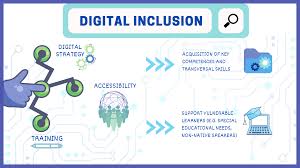
The global push towards digitizing social protection services promises greater efficiency, transparency, and reach. However, without deliberate strategies for Digital Inclusion and Literacy, these advancements risk widening the existing digital divide, leaving the most vulnerable populations behind. Social protection beneficiaries, often grappling with poverty, limited education, geographic isolation, and disabilities, face unique barriers to accessing and effectively utilizing digital platforms. From lack of affordable internet and devices to insufficient digital skills and low trust in digital systems, these challenges can prevent rightful access to essential benefits and services. In a nation like Kenya, with its vibrant digital ecosystem and progressive digital inclusion policies, ensuring that every citizen, especially those reliant on social protection, can confidently and safely participate in the digital economy is not merely a matter of access, but of equitable opportunity and dignity. Training Course on Digital Inclusion and Literacy for Social Protection Beneficiaries is meticulously designed to equip social protection program managers, frontline workers, community outreach officers, digital literacy trainers, M&E specialists, ICT solution designers, civil society organizations, and development partners with the expert knowledge and practical methodologies to strategically champion, inclusively design, and effectively implement digital inclusion and literacy initiatives for social protection beneficiaries. The program delves into assessing the digital divide among vulnerable groups, developing tailored digital literacy curricula, integrating offline and hybrid service delivery models, promoting digital safety and cybersecurity awareness, fostering user trust, and leveraging partnerships for scalable impact, blending rigorous analytical frameworks with practical, hands-on application, extensive global case studies (with a strong emphasis on successful and challenging African experiences and lessons from Kenya), and intensive digital inclusion strategy development, curriculum adaptation, and communication planning exercises. Participants will gain the strategic foresight and practical skills to confidently bridge the digital divide, fostering unparalleled equity, accessibility, and empowerment in digital social protection delivery, thereby securing their position as indispensable leaders in building truly inclusive and human-centered social welfare systems for all.
This intensive 5-day program delves into nuanced methodologies for conducting granular digital divide assessments at the community level, mastering sophisticated techniques for developing simplified digital literacy modules adaptable to low-resource settings and diverse learning styles, and exploring cutting-edge approaches to designing multi-channel communication strategies that combine digital and traditional media to ensure maximum reach, implementing "digital navigators" or community champions for peer-to-peer support, and establishing robust mechanisms for monitoring the impact of digital inclusion interventions on beneficiary access and outcomes. A significant focus will be placed on understanding the interplay of digital inclusion with existing digital public infrastructure (e.g., national digital identity, mobile money) and the critical role of the Data Protection Act (DPA) in building trust, the specific challenges of addressing gender-based digital disparities and disabilities, and the practical application of participatory design principles to co-create solutions with beneficiaries. By integrating global industry best practices in digital government, financial inclusion, and adult learning (drawing examples from pioneering digital inclusion programs in diverse contexts, including Kenya's National Digital Literacy Skills Curriculum and community-led initiatives), analyzing **real-world examples of successful and challenging digital literacy projects, and engaging in intensive hands-on digital readiness assessments, digital literacy material adaptation, stakeholder mapping for partnerships, and expert-led discussions on fostering a supportive digital ecosystem, attendees will develop the strategic acumen to confidently lead and participate in initiatives that ensure digital social protection services are not only efficiently administered but also genuinely accessible, empowering, and leave no one behind, thereby securing their position as indispensable leaders in realizing equitable and dignified social welfare for every citizen.
Course Objectives:
Upon completion of this course, participants will be able to:
- Analyze core concepts and strategic responsibilities of Digital Inclusion and Literacy within the context of social protection.
- Master sophisticated techniques for assessing the digital readiness and specific digital literacy needs of diverse social protection beneficiary groups.
- Develop robust methodologies for designing and adapting digital literacy curricula tailored to vulnerable populations, including those with low literacy or disabilities.
- Implement effective strategies for integrating hybrid (digital + traditional) service delivery models to ensure no one is excluded from social protection.
- Manage complex considerations for promoting digital access and affordability for beneficiaries, including leveraging community resources and partnerships.
- Apply robust strategies for educating beneficiaries on digital safety, cybersecurity, and data privacy, building trust in digital services.
- Understand the deep integration of digital inclusion efforts with user-centric design principles for social protection services.
- Leverage knowledge of global best practices and lessons learned from successful digital inclusion initiatives, with a strong focus on African experiences and relevant Kenyan programs.
- Optimize strategies for overcoming barriers such as lack of devices, connectivity, and digital infrastructure in remote or underserved areas.
- Formulate specialized recommendations for building effective partnerships with private sector, civil society, and community organizations to expand digital inclusion.
- Conduct comprehensive assessments of the ethical implications and potential risks of digital exclusion in social protection.
- Navigate challenging situations related to fostering trust, managing expectations, and creating supportive environments for beneficiaries to adopt digital tools.
- Develop a holistic, empathetic, and strategically actionable approach to Digital Inclusion and Literacy for Social Protection Beneficiaries, ensuring equitable and accessible digital welfare delivery for all.
Target Audience:
This course is designed for professionals interested in Digital Inclusion and Literacy for Social Protection Beneficiaries:
- Social Protection Program Managers: Responsible for program design, delivery, and beneficiary outreach.
- Frontline Workers & Community Outreach Officers: Directly interacting with beneficiaries and understanding their digital challenges.
- Digital Literacy Trainers & Educators: Developing and delivering digital skills programs.
- ICT Solution Designers & User Experience (UX) Specialists: Designing user-friendly interfaces and services.
- Monitoring & Evaluation (M&E) Specialists: Measuring the impact of digital inclusion initiatives.
- Communication & Advocacy Professionals: Crafting clear messages about digital services and rights.
- Civil Society Organizations (CSOs) & Community Leaders: Advocating for vulnerable groups and providing local support.
- Development Partners & International Organizations: Supporting digital inclusion and social protection reforms.
Course Duration: 5 Days
Course Modules:
- Module 1: Understanding Digital Exclusion in Social Protection (Day 1)
- Defining digital inclusion and the "digital divide" in social protection contexts.
- Identifying key dimensions of digital exclusion: Access, skills, supportive conditions, usage.
- Specific barriers faced by social protection beneficiaries: Poverty, disability, age, gender, geographic isolation, low literacy.
- Consequences of digital exclusion: Missed benefits, increased costs, limited information, disempowerment.
- Ethical considerations and human rights implications of digital exclusion in welfare.
- Module 2: Assessing Digital Readiness and Needs of Beneficiaries (Day 1)
- Methodologies for conducting digital readiness assessments (surveys, interviews, focus groups).
- Identifying existing digital behaviors, aspirations, and current challenges of target groups.
- Mapping access to devices, internet connectivity, and electricity in target communities.
- Understanding varying levels of digital literacy and confidence among beneficiaries.
- Segmenting beneficiaries based on their digital profiles to tailor interventions.
- Module 3: Designing Inclusive Digital Social Protection Services (Day 2)
- Applying User-Centric Design (UCD) principles to social protection services, with a focus on inclusion.
- Strategies for accessible design: Simple language, visual aids, voice prompts, multilingual support.
- Designing for diverse devices: Feature phones (USSD, SMS) vs. smartphones (apps).
- Integrating offline touchpoints and human support into digital service delivery models (hybrid approach).
- Learning from examples of inclusive digital service design (e.g., from Kenya's e-Citizen, M-Pesa).
- Module 4: Developing and Delivering Digital Literacy Programs (Day 2)
- Core components of a digital literacy curriculum for social protection beneficiaries (basic device use, internet navigation, online communication, digital payments).
- Adapting content and teaching methodologies for adult learners and low-literacy groups.
- Leveraging community-based training models: Public libraries (Kenya National Library Service), community centers, schools, peer trainers.
- Practical skills development: Using mobile money, accessing government portals, identifying scams.
- Monitoring and evaluating the effectiveness of digital literacy interventions.
- Module 5: Fostering Digital Safety, Privacy, and Trust (Day 3)
- Understanding common digital threats faced by vulnerable users: Scams, phishing, identity theft.
- Key principles of digital safety and cybersecurity awareness for beneficiaries.
- Communicating data privacy rights and the role of the Data Protection Act (DPA) in simple terms.
- Strategies for building trust in digital social protection systems and channels.
- Implementing robust grievance redress mechanisms (GRMs) for digital concerns.
- Module 6: Leveraging Partnerships and Ecosystem Development (Day 4)
- Identifying key stakeholders for digital inclusion: Government agencies, private sector (telcos, financial service providers), CSOs, academia.
- Strategies for effective multi-stakeholder collaboration and resource mobilization.
- The role of public-private partnerships in expanding digital access and skills.
- Building "digital navigator" programs and community support networks.
- Analyzing Kenya's ecosystem: Huduma Namba, mobile money, and digital literacy initiatives like the National Digital Literacy Skills Curriculum.
- Module 7: Policy and Regulatory Frameworks for Digital Inclusion (Day 4)
- Reviewing national policies that support digital inclusion and social protection digitization.
- The role of spectrum policy, infrastructure investment, and device affordability initiatives.
- Ensuring regulatory frameworks promote responsible data use and protect digital rights.
- Lessons from global and regional digital inclusion strategies.
- Advocacy for inclusive digital policies in social protection.
- Module 8: Action Planning for Sustainable Digital Inclusion (Day 5)
- Participants' assessment of digital inclusion gaps and opportunities in their context.
- Developing a strategic action plan for a specific digital inclusion or literacy initiative.
- Identifying resources, timelines, and key performance indicators (KPIs).
- Strategies for communication, advocacy, and sustained funding for digital inclusion efforts.
- Presentations of action plans and peer feedback.
Training Methodology
- Interactive Workshops: Facilitated discussions, group exercises, and problem-solving activities.
- Case Studies: Real-world examples to illustrate successful community-based surveillance practices.
- Role-Playing and Simulations: Practice engaging communities in surveillance activities.
- Expert Presentations: Insights from experienced public health professionals and community leaders.
- Group Projects: Collaborative development of community surveillance plans.
- Action Planning: Development of personalized action plans for implementing community-based surveillance.
- Digital Tools and Resources: Utilization of online platforms for collaboration and learning.
- Peer-to-Peer Learning: Sharing experiences and insights on community engagement.
- Post-Training Support: Access to online forums, mentorship, and continued learning resources.
Register as a group from 3 participants for a Discount
Send us an email: info@datastatresearch.org or call +254724527104
Certification
Upon successful completion of this training, participants will be issued with a globally recognized certificate.
Tailor-Made Course
We also offer tailor-made courses based on your needs.
Key Notes
- Participants must be conversant in English.
- Upon completion of training, participants will receive an Authorized Training Certificate.
- The course duration is flexible and can be modified to fit any number of days.
- Course fee includes facilitation, training materials, 2 coffee breaks, buff