Disaster Management for Wildlife Training Course
Disaster Management for Wildlife Training Course is designed to equip conservationists, wildlife managers, environmental professionals, and policymakers with practical skills and advanced knowledge to handle wildlife emergencies.
Skills Covered
Course Overview
Disaster Management for Wildlife Training Course
Introduction
Disasters pose significant threats to ecosystems, habitats, and the survival of wildlife species. Natural hazards such as wildfires, floods, earthquakes, and cyclones, combined with human-induced crises like deforestation, industrial accidents, and climate change, create severe challenges for biodiversity conservation. Effective disaster management for wildlife ensures resilience, safeguards habitats, and promotes rapid recovery, aligning with global sustainable development goals and biodiversity conservation frameworks.
Disaster Management for Wildlife Training Course is designed to equip conservationists, wildlife managers, environmental professionals, and policymakers with practical skills and advanced knowledge to handle wildlife emergencies. With a focus on disaster preparedness, rapid response, habitat restoration, risk assessment, and climate resilience, this course integrates global best practices with local case studies. It provides participants with the ability to implement disaster risk reduction strategies, protect vulnerable species, and strengthen ecosystem-based adaptation approaches.
Course Objectives
- Enhance knowledge of disaster risk management for wildlife conservation.
- Equip participants with advanced disaster preparedness and emergency response strategies.
- Strengthen skills in biodiversity protection during natural and human-induced disasters.
- Promote climate adaptation and resilience in wildlife management.
- Improve capacity to design and implement disaster risk reduction frameworks.
- Develop strategies for habitat restoration after ecological disruptions.
- Build expertise in wildlife health monitoring during disasters.
- Apply GIS and remote sensing for disaster risk assessment in wildlife zones.
- Foster cross-sectoral collaboration in emergency wildlife management.
- Provide practical case studies of disaster response in global wildlife contexts.
- Increase capacity for post-disaster recovery and sustainable habitat management.
- Integrate community engagement in wildlife disaster management strategies.
- Strengthen leadership in policy, planning, and implementation of wildlife disaster frameworks.
Organizational Benefits
- Improved organizational resilience in disaster-prone environments
- Enhanced ability to protect biodiversity and natural resources
- Strengthened compliance with global conservation and disaster management frameworks
- Increased capacity for community-based disaster risk management
- Access to international best practices and innovative tools
- Reduced economic losses from disaster impacts on ecosystems
- Better decision-making through advanced risk assessment and GIS tools
- Enhanced partnerships with global wildlife organizations
- Improved organizational reputation as a leader in sustainability
- Greater staff expertise in wildlife disaster preparedness and response
Target Audiences
- Wildlife conservation managers
- Environmental policy makers
- Park rangers and reserve managers
- Disaster risk management professionals
- NGO staff working in conservation and humanitarian fields
- Climate change adaptation specialists
- Academic researchers in wildlife and environmental sciences
- Community-based conservation leaders
Course Duration: 5 days
Course Modules
Module 1: Introduction to Disaster Management and Wildlife
- Fundamentals of disaster risk management
- Wildlife vulnerability in disaster scenarios
- Impacts of climate change on biodiversity resilience
- Legal and policy frameworks for wildlife disaster management
- Role of disaster preparedness in conservation
- Case Study: Australian bushfires and koala populations
Module 2: Risk Assessment and Vulnerability Analysis
- Identifying disaster-prone ecosystems
- Tools for ecological risk mapping
- Vulnerability indicators for species and habitats
- Integrating community knowledge in risk assessment
- Data-driven disaster prediction tools
- Case Study: Flood risk mapping in Kaziranga National Park, India
Module 3: Disaster Preparedness Strategies for Wildlife
- Emergency planning and protocols
- Resource mobilization for rapid response
- Wildlife rescue operations and evacuation planning
- Stockpiling and logistics in wildlife zones
- Use of technology in preparedness planning
- Case Study: Preparedness against cyclones in Sundarbans
Module 4: Wildlife Health and Safety During Disasters
- Veterinary interventions in wildlife emergencies
- Disease outbreaks during disasters
- Stress management in displaced wildlife
- Monitoring health indicators during crises
- Rehabilitation and recovery of affected species
- Case Study: Avian flu outbreaks in migratory bird populations
Module 5: Disaster Response and Rapid Action Teams
- Principles of rapid response operations
- Coordination of multidisciplinary teams
- Emergency communication systems
- Wildlife rescue case protocols
- Safety measures for responders and animals
- Case Study: Rapid response during California wildfires
Module 6: Habitat Restoration and Post-Disaster Recovery
- Ecological restoration principles
- Rebuilding degraded habitats
- Long-term sustainability strategies
- Use of native species in restoration projects
- Monitoring ecosystem recovery processes
- Case Study: Coral reef restoration post-tsunami in Indonesia
Module 7: Technology and Innovation in Wildlife Disaster Management
- Remote sensing and GIS applications
- Use of drones in disaster monitoring
- AI-based prediction models
- Digital platforms for disaster coordination
- Big data in wildlife crisis management
- Case Study: Drone-assisted monitoring in African savannahs
Module 8: Policy, Community Engagement, and Capacity Building
- Wildlife disaster management policies
- Role of communities in disaster preparedness
- Training programs for local conservationists
- Advocacy and awareness campaigns
- Strengthening institutional frameworks
- Case Study: Community-based wildlife disaster management in Kenya
Training Methodology
- Interactive lectures and expert presentations
- Group discussions and collaborative problem-solving
- Case study analysis of real-world scenarios
- Simulation exercises for disaster response
- Hands-on training in GIS, drones, and monitoring tools
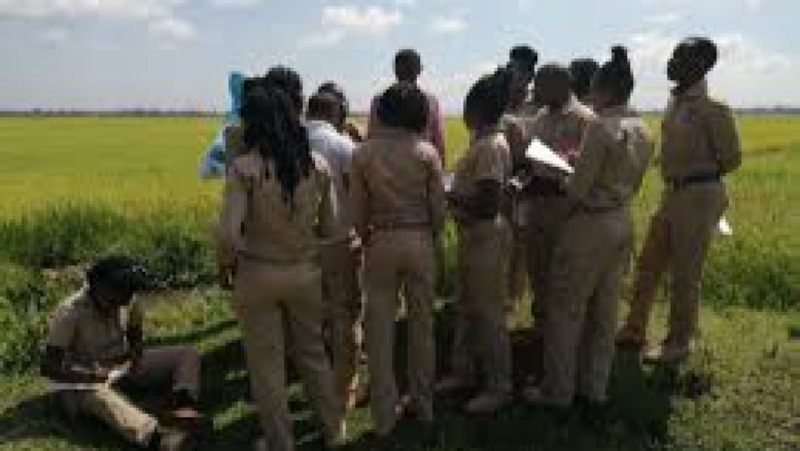
- Fieldwork and practical demonstrations
Register as a group from 3 participants for a Discount
Send us an email: info@datastatresearch.org or call +254724527104
Certification
Upon successful completion of this training, participants will be issued with a globally- recognized certificate.
Tailor-Made Course
We also offer tailor-made courses based on your needs.
Key Notes
a. The participant must be conversant with English.
b. Upon completion of training the participant will be issued with an Authorized Training Certificate
c. Course duration is flexible and the contents can be modified to fit any number of days.
d. The course fee includes facilitation training materials, 2 coffee breaks, buffet lunch and A Certificate upon successful completion of Training.
e. One-year post-training support Consultation and Coaching provided after the course.
f. Payment should be done at least a week before commence of the training, to DATASTAT CONSULTANCY LTD account, as indicated in the invoice so as to enable us prepare better for you.