ERP for Retail: Merchandising and POS Integration Training Course
ERP for Retail: Merchandising and POS Integration Training Course is designed to empower retail professionals, business analysts, and ERP consultants with the expertise to plan, implement, and optimize ERP systems that unify merchandising, inventory, pricing, and POS data.
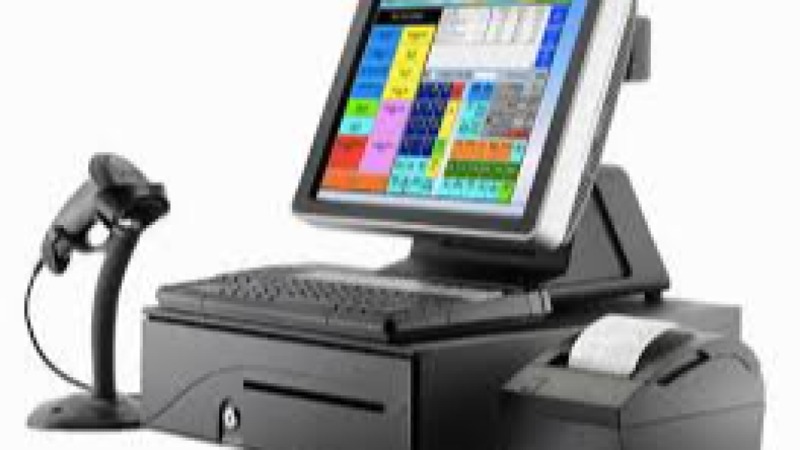
Course Overview
ERP for Retail: Merchandising and POS Integration Training Course
Introduction
In the fast-evolving retail landscape, seamless integration between Merchandising and Point of Sale (POS) systems is critical for driving profitability, operational efficiency, and customer satisfaction. ERP for Retail: Merchandising and POS Integration Training Course is designed to empower retail professionals, business analysts, and ERP consultants with the expertise to plan, implement, and optimize ERP systems that unify merchandising, inventory, pricing, and POS data. Through real-world case studies, hands-on simulations, and strategic insights, learners will gain the ability to transform retail operations using cutting-edge ERP solutions like SAP, Oracle Retail, Microsoft Dynamics 365, and Odoo.
This course provides a complete understanding of retail data synchronization, omnichannel integration, demand forecasting, and digital transformation within ERP ecosystems. By mastering these core capabilities, participants will learn to improve stock visibility, automate promotions, enhance customer engagement, and align back-office functions with frontline retail processes. With the retail industry embracing AI-driven analytics, cloud-based ERP platforms, and mobile POS systems, this training ensures professionals are fully equipped to meet modern retail challenges.
Course Duration
5 days
Course Objectives
- Understand ERP architecture specific to retail operations.
- Implement POS and Merchandising Integration for real-time data synchronization.
- Master inventory and stock replenishment through automated ERP workflows.
- Analyze sales performance dashboards and retail KPIs using ERP analytics tools.
- Streamline pricing, discounts, and promotions across multiple retail outlets.
- Learn vendor and supply chain management through ERP-driven processes.
- Enhance customer experience and loyalty programs using POS data integration.
- Deploy AI and Machine Learning tools within ERP retail systems for forecasting.
- Customize ERP systems for multi-store and omnichannel retail operations.
- Ensure data governance, cybersecurity, and compliance within ERP environments.
- Evaluate ERP implementation strategies and migration best practices.
- Leverage cloud-based ERP solutions for scalability and agility.
- Analyze real-world case studies of successful ERP retail transformations.
Target Audience
- Retail ERP Consultants
- Merchandising Managers
- POS System Administrators
- Retail Operations Managers
- Business Analysts in Retail
- IT and ERP Implementation Specialists
- Supply Chain and Inventory Managers
- Digital Transformation Leads in Retail
Course Modules
Module 1: Introduction to ERP for Retail
- Overview of ERP systems and their role in retail
- Key retail modules
- ERP architecture and integration layers
- Case Study: Walmart’s ERP modernization journey
- Retail digital transformation trends
Module 2: Merchandising Management
- Product hierarchy, assortment planning, and pricing
- Supplier collaboration and purchase order automation
- Stock optimization using predictive analytics
- Case Study: Zara’s agile merchandising process
- Best practices for SKU management
Module 3: POS System Integration
- POS architecture and data flow
- Real-time transaction synchronization with ERP
- Customer data and loyalty program integration
- Case Study: Starbucks unified POS-ERP strategy
- POS security and compliance management
Module 4: Inventory & Supply Chain Management
- Centralized inventory visibility across retail locations
- ERP-driven demand planning and replenishment
- Supplier scorecards and logistics integration
- Case Study: Amazon’s ERP supply chain model
- Optimizing stock turnover ratios
Module 5: Retail Analytics & Reporting
- Retail dashboards and ERP analytics tools
- Sales forecasting using AI and ML
- Predictive insights for promotions and markdowns
- Case Study: Target’s data-driven decision model
- Real-time data visualization and KPIs
Module 6: Omnichannel Integration
- Linking ERP with eCommerce and POS
- Customer journey mapping across channels
- Unified product and order management
- Case Study: Nike’s unified commerce ERP ecosystem
- Cloud integration and data interoperability
Module 7: Implementation & Customization
- ERP project lifecycle and agile methodologies
- Configuration and customization
- Integration middleware and APIs
- Case Study: Odoo implementation in a mid-sized retail chain
- Change management and user adoption strategies
Module 8: Future Trends & ERP Innovations
- Cloud ERP, AI, IoT, and blockchain in retail
- Mobile ERP applications for store managers
- Sustainable retail operations via ERP insights
- Case Study: H&M’s ERP sustainability initiative
- Preparing for next-gen retail ERP ecosystems
Training Methodology
This course employs a participatory and hands-on approach to ensure practical learning, including:
- Interactive lectures and presentations.
- Group discussions and brainstorming sessions.
- Hands-on exercises using real-world datasets.
- Role-playing and scenario-based simulations.
- Analysis of case studies to bridge theory and practice.
- Peer-to-peer learning and networking.
- Expert-led Q&A sessions.
- Continuous feedback and personalized guidance.
Register as a group from 3 participants for a Discount
Send us an email: info@datastatresearch.org or call +254724527104
Certification
Upon successful completion of this training, participants will be issued with a globally- recognized certificate.
Tailor-Made Course
We also offer tailor-made courses based on your needs.
Key Notes
a. The participant must be conversant with English.
b. Upon completion of training the participant will be issued with an Authorized Training Certificate
c. Course duration is flexible and the contents can be modified to fit any number of days.
d. The course fee includes facilitation training materials, 2 coffee breaks, buffet lunch and A Certificate upon successful completion of Training.
e. One-year post-training support Consultation and Coaching provided after the course.
f. Payment should be done at least a week before commence of the training, to DATASTAT CONSULTANCY LTD account, as indicated in the invoice so as to enable us prepare better for you.