ERP Vulnerabilities and Hardening Checklist Training Course
ERP Vulnerabilities and Hardening Checklist Training Course provides a comprehensive, hands-on approach to identifying, assessing, and mitigating ERP vulnerabilities, empowering professionals to strengthen system security while ensuring operational continuity.
Course Overview
ERP Vulnerabilities and Hardening Checklist Training Course
Introduction
Enterprise Resource Planning (ERP) systems are the backbone of modern organizations, integrating finance, operations, human resources, and supply chain management into a centralized platform. However, as organizations increasingly adopt cloud-based and hybrid ERP solutions, the risk landscape has expanded, exposing critical vulnerabilities that can lead to financial loss, regulatory non-compliance, and reputational damage. ERP Vulnerabilities and Hardening Checklist Training Course provides a comprehensive, hands-on approach to identifying, assessing, and mitigating ERP vulnerabilities, empowering professionals to strengthen system security while ensuring operational continuity.
Participants will gain expertise in advanced ERP security protocols, configuration hardening techniques, and vulnerability management strategies. Through practical case studies and real-world scenarios, this training enables IT security teams, system administrators, and auditors to proactively safeguard ERP environments against cyber threats. By combining theoretical frameworks with actionable checklists, learners will be equipped to implement industry-standard security practices and compliance measures effectively.
Course Duration
5 days
Course Objectives
- Identify and assess critical ERP system vulnerabilities.
- Apply advanced ERP hardening techniques and best practices.
- Implement secure access control and identity management policies.
- Conduct comprehensive ERP security audits and risk assessments.
- Strengthen data encryption and protection protocols.
- Mitigate insider threats and privilege abuse.
- Integrate ERP vulnerability management with cybersecurity frameworks.
- Analyze real-world ERP breach case studies.
- Develop incident response strategies for ERP environments.
- Ensure compliance with GDPR, SOX, ISO 27001, and other standards.
- Implement continuous monitoring and threat intelligence for ERP systems.
- Enhance ERP system performance without compromising security.
- Foster a proactive security culture within ERP teams.
Target Audience
- ERP System Administrators
- IT Security Analysts
- Compliance Officers
- Risk Management Professionals
- Internal Auditors
- Cybersecurity Consultants
- IT Managers
- Business Process Owners
Course Modules
Module 1: ERP Security Fundamentals
- Introduction to ERP security landscape
- Key vulnerability types in ERP systems
- Security frameworks for ERP
- Risk assessment methodologies
- Case Study: Unauthorized access in SAP
Module 2: User Access & Identity Management
- Role-based access control (RBAC) implementation
- Segregation of duties (SoD) analysis
- Multi-factor authentication and single sign-on
- User provisioning and de-provisioning
- Case Study: Insider threat mitigation in Oracle ERP
Module 3: System Hardening & Configuration
- ERP system hardening checklist
- Secure configuration of servers and databases
- Patch management best practices
- Network segmentation and firewall rules
- Case Study: Hardening SAP HANA against exploits
Module 4: Data Security & Encryption
- Data classification and sensitivity analysis
- Encryption techniques for data at rest and in transit
- Backup and disaster recovery security
- Secure file transfer protocols
- Case Study: Data breach prevention in Microsoft Dynamics 365
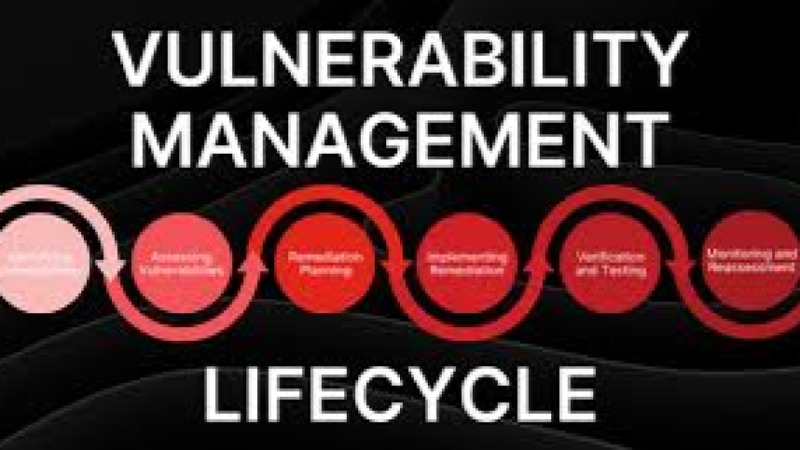
Module 5: Vulnerability Management & Patching
- ERP vulnerability scanning tools
- Patch deployment strategies
- Threat prioritization and mitigation
- Monitoring ERP system logs for anomalies
- Case Study: Oracle ERP patch failure analysis
Module 6: Compliance & Regulatory Requirements
- GDPR, SOX, HIPAA, and ISO 27001 overview
- ERP audit and reporting best practices
- Maintaining audit trails and logs
- Implementing compliance checklists
- Case Study: Compliance audit failure in SAP
Module 7: Threat Detection & Incident Response
- ERP-specific threat intelligence
- Incident detection and response planning
- Forensic investigation techniques
- Reporting and escalation procedures
- Case Study: Ransomware attack on ERP system
Module 8: Advanced ERP Security Strategies
- Continuous monitoring and anomaly detection
- Artificial intelligence and machine learning for ERP security
- Cloud ERP security best practices
- Emerging trends and zero-trust frameworks
- Case Study: Cloud ERP security breach analysis
Training Methodology
This course employs a participatory and hands-on approach to ensure practical learning, including:
- Interactive lectures and presentations.
- Group discussions and brainstorming sessions.
- Hands-on exercises using real-world datasets.
- Role-playing and scenario-based simulations.
- Analysis of case studies to bridge theory and practice.
- Peer-to-peer learning and networking.
- Expert-led Q&A sessions.
- Continuous feedback and personalized guidance.
Register as a group from 3 participants for a Discount
Send us an email: info@datastatresearch.org or call +254724527104
Certification
Upon successful completion of this training, participants will be issued with a globally- recognized certificate.
Tailor-Made Course
We also offer tailor-made courses based on your needs.
Key Notes
a. The participant must be conversant with English.
b. Upon completion of training the participant will be issued with an Authorized Training Certificate
c. Course duration is flexible and the contents can be modified to fit any number of days.
d. The course fee includes facilitation training materials, 2 coffee breaks, buffet lunch and A Certificate upon successful completion of Training.
e. One-year post-training support Consultation and Coaching provided after the course.
f. Payment should be done at least a week before commence of the training, to DATASTAT CONSULTANCY LTD account, as indicated in the invoice so as to enable us prepare better for you.