Food Waste-to-Energy (Anaerobic Digestion) Systems Training Course
Food Waste-to-Energy (Anaerobic Digestion) Systems Training Course equips participants with critical knowledge, tools, and practical techniques to design, operate, and manage anaerobic digestion systems that convert food waste into renewable energy and valuable by-products.
Course Overview
Food Waste-to-Energy (Anaerobic Digestion) Systems Training Course
Introduction
Food waste has become one of the most pressing environmental and economic challenges worldwide, leading to greenhouse gas emissions, land degradation, and resource wastage. With the increasing demand for sustainable energy solutions, food waste-to-energy systems through anaerobic digestion provide a practical, eco-friendly, and cost-efficient approach to addressing waste management challenges. Food Waste-to-Energy (Anaerobic Digestion) Systems Training Course equips participants with critical knowledge, tools, and practical techniques to design, operate, and manage anaerobic digestion systems that convert food waste into renewable energy and valuable by-products.
This program emphasizes global best practices, innovative technologies, and sustainability strategies while focusing on circular economy principles, renewable energy optimization, and zero-waste solutions. Participants will gain practical insights into process design, waste characterization, energy recovery, project financing, and policy frameworks. The course ensures the integration of real-world case studies and industry-led methodologies to provide participants with actionable knowledge for advancing sustainable development goals.
Course Objectives
- Understand the fundamentals of anaerobic digestion and food waste management.
- Identify feedstock characteristics and pre-treatment technologies.
- Explore process design and optimization of anaerobic digestion systems.
- Analyze biogas production, upgrading, and utilization methods.
- Assess environmental, social, and economic impacts of waste-to-energy projects.
- Apply circular economy principles in sustainable food waste management.
- Evaluate project feasibility, financial models, and risk assessment.
- Implement innovative technologies in waste-to-energy systems.
- Develop effective policy, regulatory, and institutional frameworks.
- Examine global best practices and successful case studies.
- Build capacity in monitoring, operation, and maintenance of systems.
- Promote energy efficiency, resource recovery, and zero-waste strategies.
- Enhance community engagement and stakeholder collaboration.
Organizational Benefits
- Improved operational sustainability and efficiency.
- Reduction in waste disposal costs and environmental liabilities.
- Access to renewable energy for industrial and community use.
- Contribution to corporate social responsibility goals.
- Enhanced compliance with environmental and energy regulations.
- Increased resilience through circular economy integration.
- Strengthened organizational competitiveness and innovation.
- Optimized waste management and energy recovery strategies.
- Opportunities for carbon credit generation.
- Advancement of organizational sustainability leadership.
Target Audiences
- Environmental managers
- Waste management professionals
- Renewable energy consultants
- Government policymakers
- Sustainability officers
- Engineers and technical staff
- Academic researchers
- Entrepreneurs in clean energy and waste management sectors
Course Duration: 5 days
Course Modules
Module 1: Introduction to Food Waste-to-Energy
- Global food waste challenges and opportunities
- Principles of anaerobic digestion systems
- Overview of circular economy in waste management
- Food waste characterization and classification
- Environmental impacts of unmanaged food waste
- Case study: Successful food waste reduction initiatives
Module 2: Feedstock and Pre-treatment Technologies
- Types of feedstock and suitability assessment
- Physical, chemical, and biological pre-treatment methods
- Importance of feedstock consistency and quality
- Impact of feedstock on biogas yield
- Emerging innovations in feedstock pre-treatment
- Case study: Pre-treatment in urban food waste systems
Module 3: Anaerobic Digestion Process Design
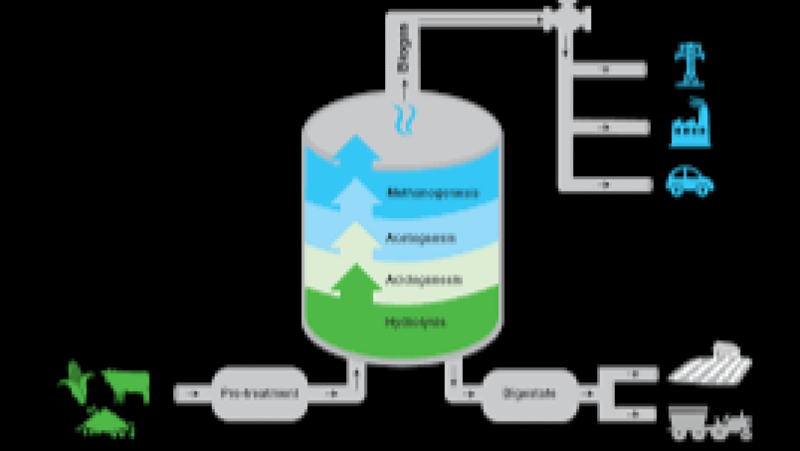
- Stages of anaerobic digestion (hydrolysis, acidogenesis, methanogenesis)
- Key design considerations for AD systems
- Reactor types and operational parameters
- Monitoring and control systems for performance
- Process stability and optimization strategies
- Case study: Industrial AD plant design success
Module 4: Biogas Production and Utilization
- Biogas composition and characteristics
- Biogas upgrading and purification technologies
- Power generation and combined heat and power (CHP)
- Biogas use in transport and industrial applications
- Integration with renewable energy systems
- Case study: Biogas for rural electrification
Module 5: Digestate Management and Resource Recovery
- Characteristics of digestate by-products
- Nutrient recovery and fertilizer applications
- Environmental implications of digestate use
- Zero-waste strategies through by-product utilization
- Market opportunities for digestate products
- Case study: Agricultural benefits of digestate use
Module 6: Environmental, Social, and Economic Impacts
- Environmental footprint of AD systems
- Greenhouse gas mitigation and climate benefits
- Social acceptance and community engagement
- Economic benefits and return on investment
- Barriers and challenges to adoption
- Case study: Social impact of AD projects in communities
Module 7: Policies and Regulations
- National and international policy frameworks
- Regulatory requirements for AD operations
- Standards for renewable energy integration
- Institutional roles in waste-to-energy systems
- Incentives and subsidies for AD adoption
- Case study: Policy-driven success stories
Module 8: Emerging Trends and Innovations
- Digital monitoring and smart technologies in AD
- Advances in microbial engineering and bioenergy
- Hybrid renewable systems integration
- Circular bioeconomy approaches
- Global innovations in waste-to-energy
- Case study: Innovative AD projects in Europe
Training Methodology
- Interactive lectures and multimedia presentations
- Group discussions and brainstorming sessions
- Practical case studies and real-world problem-solving
- Hands-on exercises with process design simulations
- Expert guest lectures and industry insights
- Assessment through quizzes and group projects
Register as a group from 3 participants for a Discount
Send us an email: info@datastatresearch.org or call +254724527104
Certification
Upon successful completion of this training, participants will be issued with a globally- recognized certificate.
Tailor-Made Course
We also offer tailor-made courses based on your needs.
Key Notes
a. The participant must be conversant with English.
b. Upon completion of training the participant will be issued with an Authorized Training Certificate
c. Course duration is flexible and the contents can be modified to fit any number of days.
d. The course fee includes facilitation training materials, 2 coffee breaks, buffet lunch and A Certificate upon successful completion of Training.
e. One-year post-training support Consultation and Coaching provided after the course.
f. Payment should be done at least a week before commence of the training, to DATASTAT CONSULTANCY LTD account, as indicated in the invoice so as to enable us prepare better for you.