Implementing QbD for Continuous Manufacturing Training Course
Implementing QbD for Continuous Manufacturing Training Course aims to provide participants with a deep understanding of QbD concepts and how they are applied to continuous manufacturing systems
Skills Covered
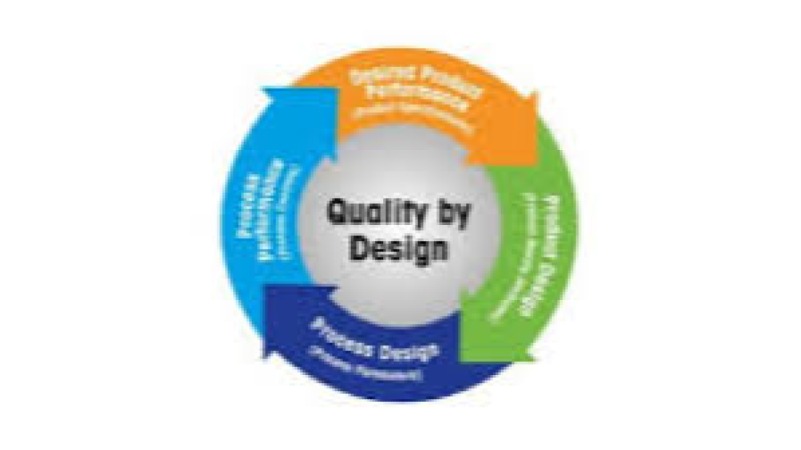
Course Overview
Implementing QbD for Continuous Manufacturing Training Course
Introduction
In todayΓÇÖs competitive pharmaceutical industry, the need for efficiency, consistency, and regulatory compliance has led to the rise of Quality by Design (QbD) principles, particularly for continuous manufacturing (CM). Implementing QbD for Continuous Manufacturing Training Course aims to provide participants with a deep understanding of QbD concepts and how they are applied to continuous manufacturing systems. The course covers key elements such as process optimization, risk management, control strategies, and regulatory considerations, offering professionals the skills needed to develop robust, scalable, and compliant manufacturing processes. By leveraging the latest industry practices and case studies, the training ensures that professionals are equipped to face real-world challenges in the pharmaceutical manufacturing sector.
Through this course, participants will learn how to integrate QbD into continuous manufacturing, enhancing their ability to create quality products more efficiently and reliably. Whether you are a quality manager, process engineer, or regulatory specialist, this training will provide you with the necessary tools to contribute to the advancement of modern manufacturing practices. With continuous manufacturing gaining traction for its ability to optimize production timelines and reduce costs, understanding QbDΓÇÖs role in CM is essential for maintaining compliance with current Good Manufacturing Practices (cGMP) and FDA guidelines.
Course Duration
10 days
Course Objectives
- Understand the QbD framework and its principles applied to continuous manufacturing.
- Gain knowledge of continuous manufacturing technologies and their integration with QbD.
- Learn to implement PAT tools for monitoring and controlling continuous processes.
- Apply risk management strategies to identify, evaluate, and mitigate risks in manufacturing.
- Design and implement effective control strategies for continuous manufacturing systems.
- Understand FDA guidelines and how to apply them to continuous manufacturing under QbD principles.
- Utilize data analytics for process optimization and decision-making in continuous manufacturing.
- Perform root cause analysis for process deviations and non-conformances in CM processes.
- Learn how to use DoE in continuous manufacturing for process optimization.
- Master scale-up techniques for transitioning from batch to continuous manufacturing.
- Understand advanced process control techniques for continuous manufacturing.
- Integrate QbD principles into the PLM strategy for continuous processes.
- Analyze real-life case studies demonstrating successful QbD implementations in CM systems.
Target Audience
- Quality Control Managers
- Process Engineers
- Manufacturing Supervisors
- Regulatory Affairs Professionals
- Pharmaceutical Development Scientists
- Production Managers
- Continuous Manufacturing Engineers
- Research and Development (R&D) Teams
Course Modules
Introduction to QbD in Continuous Manufacturing
- Key QbD principles in manufacturing
- Historical perspective and industry adoption
- Overview of continuous manufacturing systems
- Key benefits of implementing QbD
- Case studies on Industry trends and regulatory advancements
Regulatory Framework and Compliance
- FDA and EMA QbD guidelines
- Role of cGMP in continuous manufacturing
- Case studies on Quality systems for CM
- Risk-based approaches to compliance
- Regulatory challenges and solutions
Process Analytical Technology (PAT)
- Overview of PAT tools
- Integration with QbD for real-time monitoring
- Data collection and analysis techniques
- Case studies of PAT application in CM
- Optimizing PAT for process control
Design of Experiments (DoE) in Continuous Manufacturing
- Fundamentals of DoE
- Implementing DoE for process optimization
- Case studies on DoE in CM systems
- Analyzing experimental data for process improvements
- DoE applications for scale-up
Risk Management in QbD for CM
- Identifying risks in manufacturing processes
- Risk assessment and control strategies
- FMEA for continuous manufacturing
- Incorporating risk management into QbD
- Case studies on Risk mitigation through data analysis
Developing and Implementing Control Strategies
- Control strategy components for CM systems
- Real-time process monitoring and control
- Use of statistical methods for control
- Integration of automation into control systems
- Case studies on successful control strategy implementation
Advanced Process Control and Optimization
- Key techniques for process optimization
- Statistical Process Control (SPC) in continuous systems
- Adaptive process control systems
- Benefits of predictive analytics in CM
- Case studies on Real-world examples of process optimization
Manufacturing Scale-Up and Process Transfer
- Challenges in scale-up for continuous manufacturing
- Process design considerations for scale-up
- Strategies for efficient process transfer
- Role of QbD in scaling continuous systems
- Case studies on successful scale-ups
Data Analytics for Continuous Manufacturing
- Introduction to big data and analytics in manufacturing
- Using machine learning for process improvement
- Data integration and real-time decision making
- Visualizing data for quality control
- Case studies on data-driven decisions
Root Cause Analysis in Continuous Manufacturing
- Techniques for identifying root causes
- Utilizing root cause analysis for continuous systems
- Tools for failure analysis in CM processes
- Corrective and preventive actions (CAPA)
- Industry case examples on RCA
Product Lifecycle Management (PLM) and QbD
- Integrating QbD principles into PLM
- Managing continuous manufacturing lifecycle
- Compliance across the product lifecycle
- Data management for lifecycle control
- Case studies on successful PLM integration
Quality Control in Continuous Manufacturing
- Key quality control measures for CM
- Ensuring consistent product quality
- Statistical methods for monitoring quality
- Analytical techniques for quality assurance
- Real-world quality control case studies
Automation in Continuous Manufacturing
- Role of automation in CM systems
- Automation tools and technologies for QbD
- Benefits of automated systems for quality control
- Process validation through automation
- Case studies on automated CM systems
Integrating QbD with Manufacturing Execution Systems (MES)
- Overview of MES in continuous manufacturing
- MES data integration for process control
- Role of QbD in MES implementation
- Enhancing product quality with MES
- Case studies on Real-world MES success stories
Final Review and Case Study Analysis
- Comprehensive review of QbD and CM
- Detailed analysis of case studies
- Practical insights and takeaways
- Q&A session and open discussion
- Closing thoughts and future trends
Training Methodology
This course employs a participatory and hands-on approach to ensure practical learning, including:
- Interactive lectures and presentations.
- Group discussions and brainstorming sessions.
- Hands-on exercises using real-world datasets.
- Role-playing and scenario-based simulations.
- Analysis of case studies to bridge theory and practice.
- Peer-to-peer learning and networking.
- Expert-led Q&A sessions.
- Continuous feedback and personalized guidance.
Register as a group from 3 participants for a Discount
Send us an email: info@datastatresearch.org or call +254724527104
Certification
Upon successful completion of this training, participants will be issued with a globally- recognized certificate.
Tailor-Made Course
We also offer tailor-made courses based on your needs.
Key Notes
a. The participant must be conversant with English.
b. Upon completion of training the participant will be issued with an Authorized Training Certificate
c. Course duration is flexible and the contents can be modified to fit any number of days.
d. The course fee includes facilitation training materials, 2 coffee breaks, buffet lunch and A Certificate upon successful completion of Training.
e. One-year post-training support Consultation and Coaching provided after the course.
f. Payment should be done at least a week before commence of the training, to DATASTAT CONSULTANCY LTD account, as indicated in the invoice so as to enable us prepare better for you.