Leveraging Real-World Data (RWD) for Drug Development Training Course
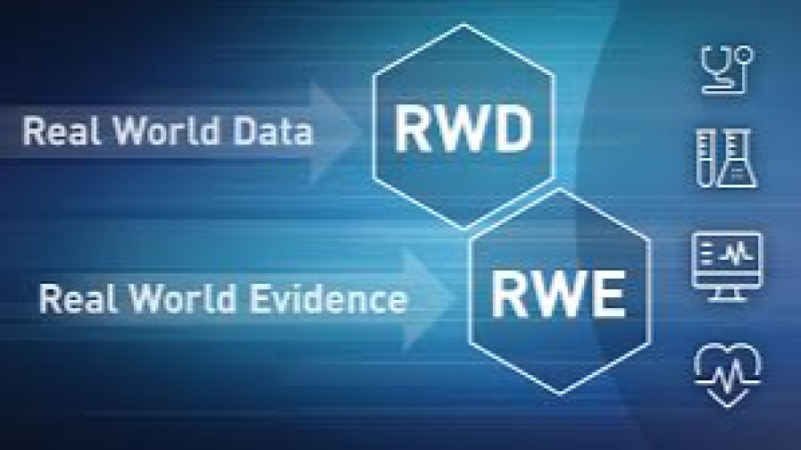
Leveraging Real-World Data (RWD) for Drug Development Training Course is designed to equip professionals in healthcare, pharma, and biotech sectors with critical skills to apply RWD in drug development processes. By
Course Overview
Leveraging Real-World Data (RWD) for Drug Development Training Course
Introduction
The pharmaceutical industry is evolving rapidly with the integration of data-driven methodologies in drug development. Leveraging Real-World Data (RWD) for Drug Development offers a transformative approach to understanding patient outcomes, enhancing clinical trials, and driving precision medicine. Leveraging Real-World Data (RWD) for Drug Development Training Course is designed to equip professionals in healthcare, pharma, and biotech sectors with critical skills to apply RWD in drug development processes. By using diverse data sources such as electronic health records, patient registries, and insurance claims, participants will gain actionable insights into clinical decision-making, regulatory submissions, and patient-centric innovations. This course emphasizes data analysis, validation, and the integration of RWD in clinical trials, ensuring participants understand the practical applications and regulatory considerations.
As RWD continues to reshape drug development, industry experts are in high demand for proficient knowledge in its methodologies. This training focuses on bridging the gap between academic research and real-world clinical application, teaching professionals to optimize drug trials, increase market access, and reduce development timelines. From gaining insights into patient populations to improving treatment outcomes, leveraging RWD enhances drug development and regulatory compliance. Participants will learn to manage challenges like data quality and integration while staying compliant with current industry standards and FDA guidelines, positioning themselves as valuable assets in the competitive healthcare industry.
Course Duration
10 days
Course Objectives
- Understand the concept of Real-World Data (RWD) and its role in modern drug development.
- Explore the regulatory landscape of RWD in drug trials, including FDA and EMA guidelines.
- Identify key sources of RWD, including EHRs, insurance claims, and patient registries.
- Learn methods for integrating RWD with traditional clinical trial data to enhance drug development.
- Assess the impact of RWD on clinical decision-making and patient-centered care.
- Evaluate RWD in post-market surveillance and real-world evidence (RWE) generation.
- Leverage RWD for identifying patient populations and improving trial recruitment strategies.
- Understand the challenges of RWD quality control and strategies for data validation.
- Learn advanced data analytics techniques to process and analyze real-world datasets.
- Examine case studies that showcase the use of RWD in successful drug development projects.
- Utilize RWD in regulatory submissions, including clinical trial design and market authorization.
- Develop strategies for the efficient use of RWD in personalized medicine applications.
- Stay updated on trends in RWD analytics, including artificial intelligence and machine learning applications.
Target Audience
- Pharmaceutical Scientists
- Clinical Research Professionals
- Regulatory Affairs Managers
- Data Analysts and Biostatisticians
- Healthcare IT Professionals
- Healthcare Providers and Physicians
- Medical Affairs Teams
- Regulatory Affairs Consultants
Course Modules
Module 1: Introduction to Real-World Data (RWD)
- Definition and Sources of RWD
- Evolution of RWD in the Healthcare Industry
- Importance of RWD in Drug Development
- Comparison between RWD and Clinical Trial Data
- Case Study: Key Challenges in Using RWD
Module 2: RWD in Drug Discovery and Early Development
- Identifying Patient Populations for Trials
- Optimizing Drug Design with RWD
- Role of RWD in Target Validation
- Case Study: RWD in Target Identification
- Overcoming Early Development Barriers
Module 3: Regulatory Considerations in RWD
- FDA and EMA Guidelines on RWD
- Designing RWD-Compatible Clinical Trials
- Navigating Regulatory Challenges with RWD
- Case Study: RWD in Regulatory Submissions
- Harmonizing RWD with Global Regulations
Module 4: Integrating RWD with Clinical Trial Data
- Benefits of Data Integration
- Methods for Combining RWD and Trial Data
- Real-Life Case Studies of Integration
- Quality Control of Combined Datasets
- Case Study: Best Practices for Data Integration
Module 5: Advanced Data Analytics in RWD
- Techniques for Analyzing RWD
- Machine Learning and AI for RWD
- Predictive Analytics in Drug Development
- Data Visualization in RWD
- Case Study: Advanced Analytics in Drug Trials
Module 6: Post-Market Surveillance and RWD
- Monitoring Drug Performance Post-Launch
- Role of RWD in Pharmacovigilance
- Identifying Long-Term Safety Signals
- Case Study: Post-Market Data for Drug Safety
- Legal Implications of Post-Market Surveillance
Module 7: Patient-Centered Drug Development
- Understanding Patient Preferences
- Designing Patient-Centric Trials
- RWD to Personalize Medicine
- Case Study: Patient-Centric Drug Design
- Building Trust with Patients through RWD
Module 8: Real-World Evidence and FDA Submissions
- Regulatory Requirements for RWE
- Designing RWE-Based Submissions
- Case Study: RWE in FDA Approval
- RWE for Fast-Track Designation
- Overcoming Regulatory Hurdles in RWE
Module 9: Real-World Data for Market Access
- Role of RWD in Health Economics
- Demonstrating Value with RWD
- Accessing New Markets through RWD
- Pricing and Reimbursement Decisions
- Case Study: RWD for Market Expansion
Module 10: Legal and Ethical Issues in RWD
- Data Privacy Regulations (HIPAA, GDPR)
- Ethical Considerations in Using RWD
- Obtaining Consent for Real-World Data
- Case Study: Ethical Challenges in RWD Usage
- Managing Legal Risks in RWD
Module 11: Leveraging RWD in Precision Medicine
- RWD in Targeted Therapies
- Personalizing Treatment Plans with RWD
- Role of Genomics and RWD in Precision Medicine
- Case Study: RWD for Personalized Cancer Treatment
- Future Trends in Precision Medicine with RWD
Module 12: RWD for Clinical Trial Optimization
- Enhancing Recruitment Strategies
- Reducing Trial Costs with RWD
- Real-Time Monitoring of Clinical Trials
- Case Study: Optimizing Trials with RWD
- RWDΓÇÖs Role in Trial Design Flexibility
Module 13: Future of RWD in Drug Development
- Trends in RWD Technology
- The Role of AI and Blockchain in RWD
- Case Study: Next-Generation RWD Tools
- Regulatory Evolution for RWD
- Predictions for RWD in the Next Decade
Module 14: Real-World Data for Global Health
- Applying RWD in Low-Resource Settings
- Cross-Country Data Analysis Challenges
- Global RWD Sharing and Collaboration
- Case Study: Global Health Impact via RWD
- Overcoming Barriers in Global RWD Use
Module 15: Industry Case Studies on RWD in Drug Development
- Real-Life Case Studies and Lessons Learned
- Case Study: Best Practices for RWD Integration
- Addressing Industry Challenges with RWD
- Evaluating Success Stories in Drug Development
- Future Prospects of RWD Integration
Training Methodology
The training course will be delivered through a blended learning approach, combining theoretical knowledge with practical applications. Methodologies include:
- Live Webinars & Virtual Workshops: Engaging sessions with industry experts.
- Hands-on Data Analysis: Interactive exercises using real-world data sets.
- Case Study Discussions: In-depth reviews of successful industry applications.
- Group Work: Collaborative problem-solving of real-world challenges.
- Quizzes and Assessments: To gauge comprehension and provide feedback.
Register as a group from 3 participants for a Discount
Send us an email: info@datastatresearch.org or call +254724527104
Certification
Upon successful completion of this training, participants will be issued with a globally- recognized certificate.
Tailor-Made Course
We also offer tailor-made courses based on your needs.
Key Notes
a. The participant must be conversant with English.
b. Upon completion of training the participant will be issued with an Authorized Training Certificate
c. Course duration is flexible and the contents can be modified to fit any number of days.
d. The course fee includes facilitation training materials, 2 coffee breaks, buffet lunch and A Certificate upon successful completion of Training.
e. One-year post-training support Consultation and Coaching provided after the course.
f. Payment should be done at least a week before commence of the training, to DATASTAT CONSULTANCY LTD account, as indicated in the invoice so as to enable us prepare better for you.