Multi-Entity and Global Consolidations in ERP Training Course
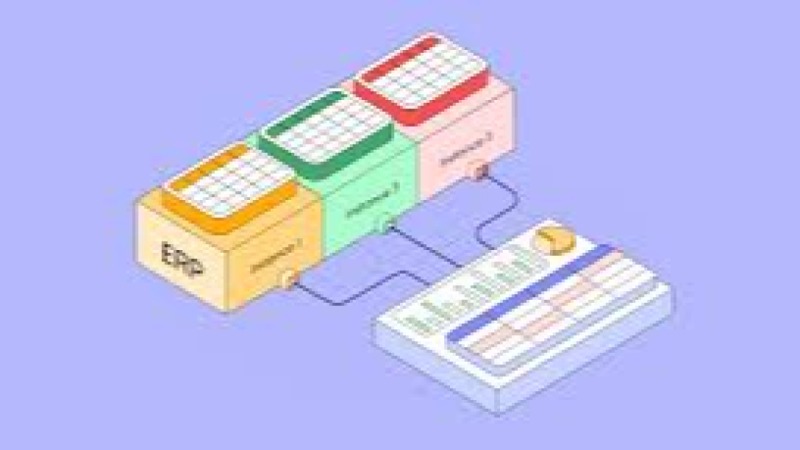
Multi-Entity and Global Consolidations in ERP Training Course is designed to equip finance and ERP professionals with the practical skills and insights needed to implement, manage, and optimize multi-entity and global consolidation processes.
Course Overview
Multi-Entity and Global Consolidations in ERP Training Course
Introduction
In today’s fast-paced global business environment, organizations face increasing complexity in managing multiple entities, subsidiaries, and international operations. Multi-Entity & Global Consolidations in ERP systems enable organizations to streamline financial reporting, maintain compliance across jurisdictions, and achieve real-time visibility into enterprise-wide performance. Leveraging advanced ERP functionalities, finance professionals can efficiently consolidate multi-currency, multi-entity, and intercompany transactions, reducing errors, accelerating reporting cycles, and supporting strategic decision-making.
Multi-Entity and Global Consolidations in ERP Training Course is designed to equip finance and ERP professionals with the practical skills and insights needed to implement, manage, and optimize multi-entity and global consolidation processes. Participants will gain hands-on experience with best practices, real-world case studies, and trending ERP tools to enhance operational efficiency, ensure regulatory compliance, and drive data-driven growth in a complex multi-national business environment.
Course Duration
5 days
Course Objectives
By the end of this course, participants will be able to:
- Implement multi-entity ERP solutions for global businesses.
- Execute intercompany transaction automation and reconciliation.
- Manage multi-currency financial consolidation seamlessly.
- Apply regulatory compliance and reporting standards in global ERP.
- Streamline period-end closing processes across subsidiaries.
- Optimize financial data integration from multiple ERP systems.
- Conduct variance analysis and performance reporting efficiently.
- Utilize cloud-based ERP tools for real-time consolidation.
- Design custom consolidation dashboards for leadership reporting.
- Implement data governance and audit controls in multi-entity setups.
- Analyze global financial KPIs and metrics for decision-making.
- Leverage automation and AI-driven financial processes.
- Solve complex multi-entity scenarios using real-world case studies.
Target Audience
- Finance Managers & Controllers
- ERP Functional Consultants
- Corporate Accountants & Analysts
- CFOs and Finance Directors
- IT & ERP Implementation Specialists
- Internal Auditors & Compliance Officers
- Business Process Owners
- Strategic Planning & FP&A Professionals
Course Modules
Module 1: Introduction to Multi-Entity ERP
- Overview of ERP consolidation capabilities
- Challenges in multi-entity management
- Benefits of real-time consolidated reporting
- Case Study: Multi-subsidiary financial integration
- Key ERP platforms for global consolidation
Module 2: Intercompany Transactions
- Intercompany accounting principles
- Automating intercompany invoicing
- Reconciliation processes across entities
- Case Study: Cross-border intercompany adjustments
- ERP tools for transaction tracking
Module 3: Multi-Currency Management
- Currency conversion and translation rules
- Handling exchange rate fluctuations
- Impact on consolidated financial statements
- Case Study: Multi-currency consolidation for an MNC
- Best practices in currency risk management
Module 4: Regulatory Compliance & Reporting
- IFRS vs. GAAP considerations
- Local tax compliance and reporting
- Audit-ready consolidation workflows
- Case Study: Ensuring compliance in Europe & Asia
- Reporting templates and ERP automation
Module 5: Period-End Closing Optimization
- Standardizing closing procedures
- Reducing manual adjustments and errors
- Automating accruals and journal entries
- Case Study: Fast close in multi-entity operations
- ERP tools for closing workflow management
Module 6: Data Integration & Governance
- Centralized and decentralized data models
- Master data management across entities
- Data quality checks and controls
- Case Study: Integrating legacy systems into ERP
- Governance framework for global consolidation
Module 7: Advanced Reporting & Analytics
- Designing executive dashboards
- KPI tracking across multiple entities
- Predictive analytics for financial planning
- Case Study: Real-time global performance monitoring
- ERP reporting tools and BI integration
Module 8: Automation & AI in Global Consolidations
- AI-assisted reconciliations and predictions
- Robotic Process Automation (RPA) in consolidation
- Reducing manual effort in intercompany settlements
- Case Study: AI-driven period-end closing
- Future trends in ERP financial automation
Training Methodology
This course employs a participatory and hands-on approach to ensure practical learning, including:
- Interactive lectures and presentations.
- Group discussions and brainstorming sessions.
- Hands-on exercises using real-world datasets.
- Role-playing and scenario-based simulations.
- Analysis of case studies to bridge theory and practice.
- Peer-to-peer learning and networking.
- Expert-led Q&A sessions.
- Continuous feedback and personalized guidance.
Register as a group from 3 participants for a Discount
Send us an email: info@datastatresearch.org or call +254724527104
Certification
Upon successful completion of this training, participants will be issued with a globally- recognized certificate.
Tailor-Made Course
We also offer tailor-made courses based on your needs.
Key Notes
a. The participant must be conversant with English.
b. Upon completion of training the participant will be issued with an Authorized Training Certificate
c. Course duration is flexible and the contents can be modified to fit any number of days.
d. The course fee includes facilitation training materials, 2 coffee breaks, buffet lunch and A Certificate upon successful completion of Training.
e. One-year post-training support Consultation and Coaching provided after the course.
f. Payment should be done at least a week before commence of the training, to DATASTAT CONSULTANCY LTD account, as indicated in the invoice so as to enable us prepare better for you.