Precision Fermentation and Biomanufacturing Training Course
Precision Fermentation and Biomanufacturing Training Course provides a comprehensive foundation in modern bio-based production systems, highlighting the role of sustainable biotechnology in transforming global industries.
Skills Covered
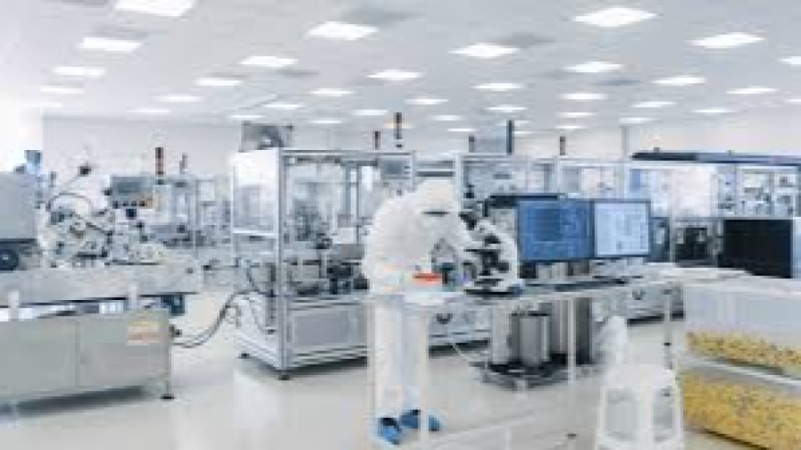
Course Overview
Precision Fermentation and Biomanufacturing Training Course
Introduction
Precision Fermentation and Biomanufacturing Training Course provides a comprehensive foundation in modern bio-based production systems, highlighting the role of sustainable biotechnology in transforming global industries. With the rise of green chemistry, alternative protein development, and synthetic biology, this training is designed to equip professionals with the knowledge and practical skills required to lead in a rapidly advancing bioeconomy. Participants will gain an in-depth understanding of fermentation technologies, metabolic engineering, biofoundries, and scale-up processes that are reshaping agriculture, food, pharmaceuticals, and environmental sustainability.
Through interactive sessions, case studies, and applied methodologies, learners will explore the critical intersections of precision fermentation, digital biomanufacturing, and industrial biotechnology. The course emphasizes real-world applications, innovation strategies, and bio-based product development while addressing regulatory frameworks, safety standards, and global market trends. By combining theoretical depth with hands-on applications, this program prepares participants to drive innovation and lead organizational growth within the evolving biotechnology landscape.
Course Objectives
- Understand the fundamentals of precision fermentation and synthetic biology.
- Explore metabolic engineering for enhanced microbial production.
- Analyze bioprocess optimization and scale-up strategies.
- Examine the role of biofoundries in industrial biotechnology.
- Apply CRISPR and advanced gene-editing tools in microbial systems.
- Assess sustainable biomanufacturing and circular economy practices.
- Investigate downstream processing and product recovery methods.
- Review safety, regulatory, and compliance frameworks in biomanufacturing.
- Evaluate market opportunities and commercialization strategies.
- Gain insights into alternative protein development and food biotechnology.
- Understand bioinformatics and data-driven design in bioproduction.
- Study digital biomanufacturing platforms and automation.
- Apply practical case studies on precision fermentation applications.
Organizational Benefits
- Enhanced workforce capability in biomanufacturing innovation.
- Improved efficiency in fermentation processes.
- Access to emerging biotechnology and industrial applications.
- Increased organizational competitiveness in global markets.
- Strengthened regulatory compliance and risk management.
- Development of bio-based product pipelines.
- Integration of sustainable and circular economy practices.
- Enhanced collaboration between R&D and industrial operations.
- Streamlined scale-up processes and reduced production costs.
- Positioning as a leader in sustainable biotechnology sectors.
Target Audiences
- Biotechnology professionals
- Research scientists and engineers
- Food and beverage innovators
- Pharmaceutical and healthcare experts
- Environmental sustainability specialists
- Policy makers and regulatory officers
- Investors and business strategists
- University researchers and graduate students
Course Duration: 5 days
Course Modules
Module 1: Fundamentals of Precision Fermentation
- Introduction to microbial fermentation processes
- Role of synthetic biology in fermentation
- Microbial chassis and strain selection
- Bioreactor fundamentals
- Industrial applications overview
- Case study: Microbial precision fermentation in dairy alternatives
Module 2: Metabolic Engineering for Microbial Production
- Pathway optimization strategies
- CRISPR and genetic modification tools
- Flux balance and modeling approaches
- Enzyme engineering methods
- Scaling metabolic pathways for yield improvement
- Case study: Engineering yeast for sustainable protein
Module 3: Bioprocess Design and Scale-up
- Fermentation design principles
- Scale-up challenges in biomanufacturing
- Continuous vs. batch fermentation processes
- Oxygen transfer and mixing strategies
- Monitoring and control of critical parameters
- Case study: Industrial-scale production of bioenzymes
Module 4: Digital Biomanufacturing and Automation
- Introduction to bioinformatics tools
- Data-driven process design
- Automation and robotics in fermentation labs
- AI and machine learning for bioproduction
- Integration of digital twins in biomanufacturing
- Case study: Automated fermentation platforms for precision medicine
Module 5: Alternative Proteins and Food Biotechnology
- Microbial proteins and sustainable food systems
- Fermentation-derived dairy and egg alternatives
- Nutritional enhancement strategies
- Consumer trends and acceptance factors
- Market adoption challenges
- Case study: Fermentation-based alternative meat
Module 6: Downstream Processing and Product Recovery
- Principles of downstream processing
- Cell harvesting and separation methods
- Purification techniques for biomolecules
- Quality assurance and validation steps
- Scaling recovery processes for industrial use
- Case study: Purification of fermentation-derived lipids
Module 7: Regulatory Frameworks and Biosafety
- International regulatory standards in biomanufacturing
- Biosafety and risk management practices
- Intellectual property and licensing considerations
- Environmental impact assessments
- Certification and compliance requirements
- Case study: FDA approval process for fermentation-based products
Module 8: Commercialization and Global Market Trends
- Market analysis for bio-based products
- Business models in precision fermentation
- Investment trends in biomanufacturing
- Start-up ecosystem and funding opportunities
- Global challenges and opportunities
- Case study: Commercialization of microbial-based dairy substitutes
Training Methodology
- Instructor-led interactive lectures
- Hands-on practical demonstrations
- Group discussions and peer-to-peer learning
- Case study analysis and real-world applications
- Digital simulations and bioinformatics tools
Register as a group from 3 participants for a Discount
Send us an email: info@datastatresearch.org or call +254724527104
Certification
Upon successful completion of this training, participants will be issued with a globally- recognized certificate.
Tailor-Made Course
We also offer tailor-made courses based on your needs.
Key Notes
a. The participant must be conversant with English.
b. Upon completion of training the participant will be issued with an Authorized Training Certificate
c. Course duration is flexible and the contents can be modified to fit any number of days.
d. The course fee includes facilitation training materials, 2 coffee breaks, buffet lunch and A Certificate upon successful completion of Training.
e. One-year post-training support Consultation and Coaching provided after the course.
f. Payment should be done at least a week before commence of the training, to DATASTAT CONSULTANCY LTD account, as indicated in the invoice so as to enable us prepare better for you.