Public-Private Partnerships (PPP) for Road Safety Projects Training Course
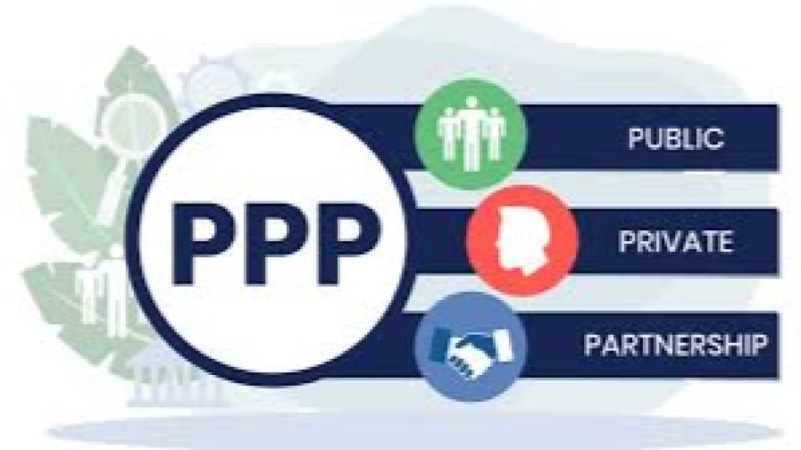
Public-Private Partnerships (PPP) for Road Safety Projects Training Course equips participants with cutting-edge knowledge and practical strategies to design, implement, and monitor high-impact road safety initiatives, ensuring measurable reductions in road traffic fatalities and injuries.
Skills Covered
Course Overview
Public-Private Partnerships (PPP) for Road Safety Projects Training Course
Introduction
Public-Private Partnerships (PPP) for Road Safety Projects have emerged as a transformative strategy for addressing global road safety challenges. With increasing urbanization, traffic congestion, and rising accident rates, governments and private stakeholders are recognizing the value of collaborative frameworks that leverage financial, technical, and operational expertise. PPP models enable innovative financing, sustainable infrastructure development, and data-driven safety interventions. Public-Private Partnerships (PPP) for Road Safety Projects Training Course equips participants with cutting-edge knowledge and practical strategies to design, implement, and monitor high-impact road safety initiatives, ensuring measurable reductions in road traffic fatalities and injuries.
Participants will explore the full lifecycle of PPP road safety projects from stakeholder engagement, risk management, and legal frameworks to performance monitoring and smart mobility integration. By incorporating real-world case studies and hands-on simulations, this course empowers professionals to harness emerging technologies, predictive analytics, and policy-driven solutions for safer roads. Ideal for public authorities, transport agencies, urban planners, and private investors, the program emphasizes actionable insights and strategic planning for resilient, future-ready road safety projects.
Course Duration
5 days
Course Objectives
- Understand the fundamentals and global best practices of PPP models for road safety.
- Analyze risk-sharing strategies between public and private stakeholders.
- Develop financial modeling and funding frameworks for road safety projects.
- Integrate smart mobility solutions to enhance road safety outcomes.
- Design data-driven traffic management strategies.
- Apply legal and regulatory compliance frameworks in PPP projects.
- Enhance stakeholder engagement and collaborative governance.
- Evaluate performance metrics and impact assessment for road safety projects.
- Implement technology-driven interventions such as ITS and AI-based traffic monitoring.
- Create sustainable and resilient infrastructure strategies.
- Apply project lifecycle management tools for efficient PPP execution.
- Identify innovative financing mechanisms like green bonds and outcome-based contracts.
- Learn from global case studies and best-in-class road safety projects for practical application.
Target Audience
- Government transport agencies and policymakers
- Road safety planners and engineers
- Infrastructure and urban development consultants
- Private investors and PPP developers
- Traffic management and ITS specialists
- NGOs focused on road safety advocacy
- Project managers in transport and infrastructure sectors
- Researchers and academics in transport safety
Course Modules
Module 1: Introduction to PPP in Road Safety
- Definition and evolution of PPP models
- Global trends and benchmarks in road safety
- Benefits and challenges of PPP collaborations
- Key stakeholders and roles in road safety projects
- Case Study: India’s National Highways PPP Safety Initiative
Module 2: Legal, Regulatory & Policy Frameworks
- Understanding contractual frameworks and agreements
- National and international road safety regulations
- Compliance strategies and risk mitigation
- Government approvals and PPP policies
- Case Study: UK Highways Agency Road Safety PPP Contracts
Module 3: Financial Models & Innovative Funding
- Traditional vs. innovative funding structures
- Risk allocation and investment strategies
- Outcome-based and performance-linked contracts
- Public funding and private capital integration
- Case Study: Mexico City Road Safety PPP Funding Model
Module 4: Road Safety Planning & Project Lifecycle Management
- Project identification and feasibility analysis
- Lifecycle planning and management tools
- Prioritization of safety interventions
- Implementation schedules and resource allocation
- Case Study: South Korea Smart Road PPP Project
Module 5: Technology & Smart Mobility for Road Safety
- Intelligent Transport Systems (ITS) integration
- AI-based traffic monitoring and predictive analytics
- Vehicle-to-Infrastructure (V2I) safety solutions
- Emerging technologies for accident prevention
- Case Study: Singapore Smart Mobility Road Safety Program
Module 6: Stakeholder Engagement & Governance
- Public sector and private sector collaboration
- Community engagement and social impact considerations
- Multi-level governance structures
- Communication and reporting mechanisms
- Case Study: Brazil’s Road Safety PPP Stakeholder Management
Module 7: Performance Measurement & Evaluation
- Key Performance Indicators (KPIs) for road safety
- Monitoring and evaluation frameworks
- Data collection and analytics for decision-making
- Continuous improvement strategies
- Case Study: Norway Vision Zero PPP Evaluation Model
Module 8: Sustainability & Future Trends
- Green infrastructure and eco-friendly materials
- Climate resilience in road safety projects
- Integration with urban mobility and smart city planning
- Forecasting trends in autonomous vehicles and safety
- Case Study: European Union Road Safety PPP Initiatives
Training Methodology
This course employs a participatory and hands-on approach to ensure practical learning, including:
- Interactive lectures and presentations.
- Group discussions and brainstorming sessions.
- Hands-on exercises using real-world datasets.
- Role-playing and scenario-based simulations.
- Analysis of case studies to bridge theory and practice.
- Peer-to-peer learning and networking.
- Expert-led Q&A sessions.
- Continuous feedback and personalized guidance.
Register as a group from 3 participants for a Discount
Send us an email: info@datastatresearch.org or call +254724527104
Certification
Upon successful completion of this training, participants will be issued with a globally- recognized certificate.
Tailor-Made Course
We also offer tailor-made courses based on your needs.
Key Notes
a. The participant must be conversant with English.
b. Upon completion of training the participant will be issued with an Authorized Training Certificate
c. Course duration is flexible and the contents can be modified to fit any number of days.
d. The course fee includes facilitation training materials, 2 coffee breaks, buffet lunch and A Certificate upon successful completion of Training.
e. One-year post-training support Consultation and Coaching provided after the course.
f. Payment should be done at least a week before commence of the training, to DATASTAT CONSULTANCY LTD account, as indicated in the invoice so as to enable us prepare better for you.