Shop Floor Control and MES Integration Training Course
Shop Floor Control (SFC) and Manufacturing Execution System (MES) Integration Training course is designed to equip manufacturing professionals with the knowledge and practical skills needed to streamline production processes, improve operational efficiency, and optimize resource management in a digital manufacturing environment
Course Overview
Shop Floor Control and MES Integration Training Course
Introduction
Shop Floor Control (SFC) and Manufacturing Execution System (MES) Integration Training course is designed to equip manufacturing professionals with the knowledge and practical skills needed to streamline production processes, improve operational efficiency, and optimize resource management in a digital manufacturing environment. With the increasing complexity of production systems and the push for Industry 4.0 adoption, understanding how to integrate MES with existing shop floor control systems is crucial for achieving real-time data visibility, better decision-making, and enhanced productivity. This comprehensive course covers everything from foundational concepts to advanced integration strategies, ensuring participants are prepared to drive digital transformation on the shop floor.
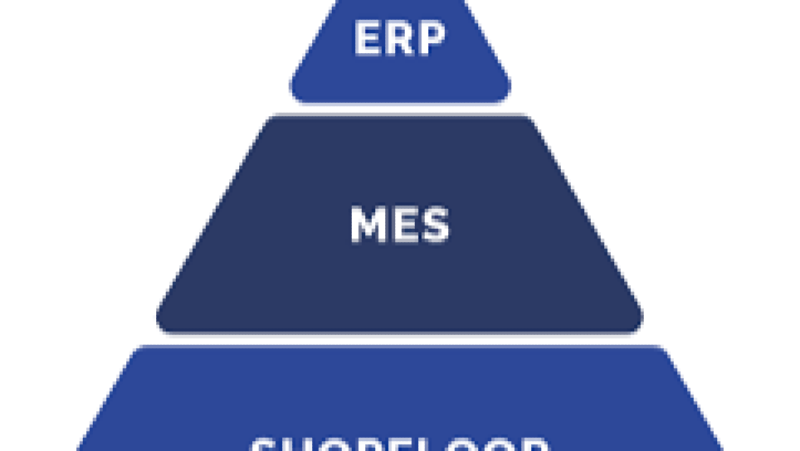
This training program focuses on bridging the gap between production and enterprise systems by offering hands-on experience in MES software integration, data-driven decision-making, and real-time performance monitoring. Participants will explore best practices for managing production workflows, inventory tracking, and quality assurance, all while learning to implement a fully integrated, automated environment. By the end of the course, participants will be able to efficiently deploy and operate MES systems, integrate them seamlessly with other enterprise resource planning (ERP) tools, and ensure optimal shop floor performance in a dynamic, ever-changing manufacturing landscape.
Course Duration
5 days
Course Objectives
- Understand the fundamentals of Shop Floor Control (SFC) and MES within the context of Industry 4.0.
- Learn best practices for MES integration with ERP and other enterprise systems.
- Gain insights into real-time data monitoring for performance tracking and decision-making.
- Implement automated production workflows using MES and shop floor control solutions.
- Improve production efficiency and resource utilization through system integration.
- Develop the ability to analyze shop floor data and generate actionable reports.
- Learn how to optimize quality control processes with MES integration.
- Understand how to track inventory levels and streamline material handling in production environments.
- Gain knowledge on predictive maintenance using MES data analytics.
- Implement automated scheduling for resource and production management.
- Learn shop floor data visualization techniques to enhance decision-making.
- Master integration of real-time production feedback into ERP systems for better planning and scheduling.
- Develop strategies for minimizing downtime and improving overall equipment effectiveness (OEE).
Target Audience
- Manufacturing Engineers
- Production Managers
- Supply Chain Professionals
- IT/Systems Integration Specialists
- Industrial Automation Engineers
- Quality Assurance Managers
- ERP and MES System Administrators
- Operations Managers
Course Modules
Module 1: Introduction to Shop Floor Control (SFC) and MES
- Understanding the role of SFC in modern manufacturing
- Overview of MES systems and their capabilities
- Key differences between SFC and MES systems
- Case Study: MES implementation at an automotive plant
- Benefits of integrating SFC with ERP systems
Module 2: MES Integration with ERP Systems
- Key principles of MES-ERP integration
- Integration challenges and solutions
- Data flow between MES and ERP systems
- Case Study: Real-time inventory management through MES integration
- Best practices for seamless data exchange
Module 3: Real-Time Data Monitoring and Analytics
- Importance of real-time data for decision-making
- Key performance indicators (KPIs) to track
- Implementing dashboards for real-time monitoring
- Case Study: Real-time production monitoring in a semiconductor plant
- Introduction to predictive analytics in manufacturing
Module 4: Automated Production Scheduling
- Overview of automated scheduling systems
- Integration of MES with scheduling software
- Optimizing resource allocation and scheduling
- Case Study: Optimizing production schedules at a food processing plant
- Best practices for minimizing scheduling conflicts
Module 5: Quality Control with MES Integration
- Quality management within MES systems
- Automated quality checks and tracking
- MES for continuous quality improvement
- Case Study: Quality control implementation at a pharmaceutical company
- Root cause analysis using MES data
Module 6: Inventory Management and Material Handling
- Managing raw materials and finished goods through MES
- MES integration for real-time inventory updates
- Optimizing material handling and storage systems
- Case Study: Inventory optimization in a global electronics manufacturer
- Best practices for lean inventory management
Module 7: Predictive Maintenance and Downtime Reduction
- Introduction to predictive maintenance
- Analyzing equipment performance data
- Using MES data for proactive maintenance planning
- Case Study: Reducing unplanned downtime at a heavy machinery manufacturer
- Strategies for improving overall equipment effectiveness
Module 8: Case Studies, Challenges, and Solutions
- Real-world case studies of MES and SFC integration
- Common integration challenges and how to overcome them
- Lessons learned from MES implementations in various industries
- Case Study: MES integration for a fast-moving consumer goods (FMCG) company
- Future trends in MES and shop floor control integration
Training Methodology
This course employs a participatory and hands-on approach to ensure practical learning, including:
- Interactive lectures and presentations.
- Group discussions and brainstorming sessions.
- Hands-on exercises using real-world datasets.
- Role-playing and scenario-based simulations.
- Analysis of case studies to bridge theory and practice.
- Peer-to-peer learning and networking.
- Expert-led Q&A sessions.
- Continuous feedback and personalized guidance.
Register as a group from 3 participants for a Discount
Send us an email: info@datastatresearch.org or call +254724527104
Certification
Upon successful completion of this training, participants will be issued with a globally- recognized certificate.
Tailor-Made Course
We also offer tailor-made courses based on your needs.
Key Notes
a. The participant must be conversant with English.
b. Upon completion of training the participant will be issued with an Authorized Training Certificate
c. Course duration is flexible and the contents can be modified to fit any number of days.
d. The course fee includes facilitation training materials, 2 coffee breaks, buffet lunch and A Certificate upon successful completion of Training.
e. One-year post-training support Consultation and Coaching provided after the course.
f. Payment should be done at least a week before commence of the training, to DATASTAT CONSULTANCY LTD account, as indicated in the invoice so as to enable us prepare better for you.