Strategic Training Needs Analysis and Impact Evaluation Course
Strategic Training Needs Analysis and Impact Evaluation Course is a vital process that helps businesses identify skill gaps, improve performance outcomes, and maximize return on investment (ROI) in learning and development.
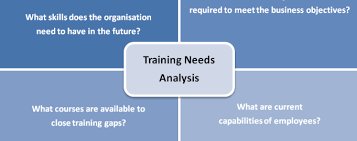
Course Overview
Strategic Training Needs Analysis and Impact Evaluation Course
Introduction
In today's rapidly evolving business environment, organizations must stay agile by aligning workforce capabilities with strategic goals. Strategic Training Needs Analysis and Impact Evaluation Course is a vital process that helps businesses identify skill gaps, improve performance outcomes, and maximize return on investment (ROI) in learning and development. By integrating data-driven decision-making, performance metrics, and competency mapping, this course empowers HR professionals and training managers to execute training plans that generate measurable business value.
This course provides a deep dive into modern evaluation frameworks, training effectiveness, and strategic alignment between training programs and business objectives. Participants will learn how to utilize AI-driven analytics, LMS data insights, and ROI modeling to not only assess training needs but also evaluate long-term training impact. Whether you're managing internal teams or overseeing external learning initiatives, this course will equip you with the latest tools and techniques to optimize learning investments and enhance organizational growth.
Course Objectives
- Identify critical skill gaps through workforce analytics.
- Implement AI-powered training needs assessments.
- Understand the role of competency-based learning paths.
- Apply Kirkpatrick’s Evaluation Model to measure training success.
- Conduct stakeholder analysis for training alignment.
- Develop learning experience platforms (LXPs) for personalized learning.
- Calculate training ROI using data visualization tools.
- Monitor performance with key performance indicators (KPIs).
- Integrate organizational development strategies with training plans.
- Design evidence-based training interventions.
- Utilize learning analytics dashboards to track progress.
- Conduct pre- and post-training impact evaluations.
- Master the use of adaptive learning technologies in training.
Target Audience
- HR Managers and Learning & Development (L&D) Professionals
- Corporate Trainers and Instructional Designers
- Training Consultants and Organizational Development Specialists
- Talent Acquisition and Retention Experts
- Compliance and Risk Officers
- Project Managers Leading Training Initiatives
- Business Analysts Evaluating Training Outcomes
- Executives and Strategic Leaders Overseeing Human Capital
Course Duration
- 10 Days
Course Modules
Module 1: Introduction to Training Needs Analysis
- Definition and scope of TNA
- Importance in organizational strategy
- Components of effective analysis
- Role of stakeholders in TNA
- Aligning TNA with performance goals
Module 2: Strategic Alignment in Training
- Linking training to business objectives
- SWOT analysis in training planning
- Prioritizing learning needs
- Creating alignment roadmaps
- Stakeholder communication strategies
Module 3: Competency Mapping
- Core vs. functional competencies
- Developing competency frameworks
- Assessment tools and matrices
- Linking competencies to job roles
- Leveraging software for mapping
Module 4: Tools for Needs Assessment
- Surveys and questionnaires
- Focus groups and interviews
- Job task analysis
- LMS data mining
- AI-driven diagnostic tools
Module 5: Performance Gap Analysis
- Identifying performance issues
- Setting benchmarks
- Evaluating learning curves
- Connecting gaps to KPIs
- Case studies in performance analysis
Module 6: Learning Experience Design
- Principles of adult learning
- Customizing learning paths
- Incorporating blended learning
- Gamification and microlearning
- Creating learner personas
Module 7: Impact Evaluation Models
- Overview of Kirkpatrick Model
- Phillips ROI Model
- CIRO and Brinkerhoff approaches
- Choosing the right model
- Case-based applications
Module 8: Measurement Metrics and KPIs
- Setting SMART goals
- Identifying relevant KPIs
- Pre- and post-assessments
- Data collection methods
- Visualization tools for tracking
Module 9: ROI Calculation and Reporting
- ROI formulas and methods
- Cost-benefit analysis
- Financial modeling tools
- Presenting findings to leadership
- Communicating ROI effectively
Module 10: Leveraging Learning Technologies
- LMS and LXP platforms
- Analytics integration
- AI personalization
- Real-time feedback systems
- Tools for digital training evaluation
Module 11: Data-Driven Decision Making
- Using dashboards for analysis
- Predictive analytics in training
- Interpreting training trends
- Adjusting plans based on data
- Automating reports
Module 12: Evaluation of Soft Skills Training
- Behavioral outcome tracking
- Peer and self-assessment tools
- Measuring communication improvement
- Emotional intelligence metrics
- Soft skills ROI case studies
Module 13: Stakeholder Engagement
- Mapping stakeholder influence
- Managing expectations
- Communicating value and impact
- Gaining executive buy-in
- Feedback loops for improvement
Module 14: Organizational Culture and Change
- Culture audits and training fit
- Building learning culture
- Managing resistance to change
- Training during transformation
- Evaluating culture change impact
Module 15: Final Project and Certification
- Capstone evaluation project
- Peer collaboration and review
- Real-world case analysis
- Presentation to virtual board
- Certificate of Strategic TNA & Impact Evaluation
Training Methodology
- Interactive Lectures – Learners engage with dynamic, participatory sessions designed to enhance understanding and retention.
- Case-Based Learning – Real-world scenarios are used to develop critical thinking and problem-solving skills.
- Hands-On Labs – Practical exercises allow participants to apply concepts in simulated environments.
- Real-Time Analytics Tools – Learners gain experience using current data tools for informed decision-making.
- Live Virtual Coaching – Personalized, real-time guidance reinforces learning and supports individual growth.
- Actionable Insights – The course delivers practical takeaways that can be applied immediately in the workplace.
- Practical Skills Focus – Emphasis on building competencies that have direct real-world application.
Register as a group from 3 participants for a Discount
Send us an email: info@datastatresearch.org or call +254724527104
Certification
Upon successful completion of this training, participants will be issued with a globally- recognized certificate.
Tailor-Made Course
We also offer tailor-made courses based on your needs.
Key Notes
a. The participant must be conversant with English.
b. Upon completion of training the participant will be issued with an Authorized Training Certificate
c. Course duration is flexible and the contents can be modified to fit any number of days.
d. The course fee includes facilitation training materials, 2 coffee breaks, buffet lunch and A Certificate upon successful completion of Training.
e. One-year post-training support Consultation and Coaching provided after the course.
f. Payment should be done at least a week before commence of the training, to DATASTAT CONSULTANCY LTD account, as indicated in the invoice so as to enable us prepare better for you.