Tax and VAT Configuration in ERP Systems Training Course
Tax and VAT Configuration in ERP Systems Training Course is designed for professionals who want to gain a deep understanding of ERP-based tax and VAT configuration and its critical role in maintaining business sustainability.
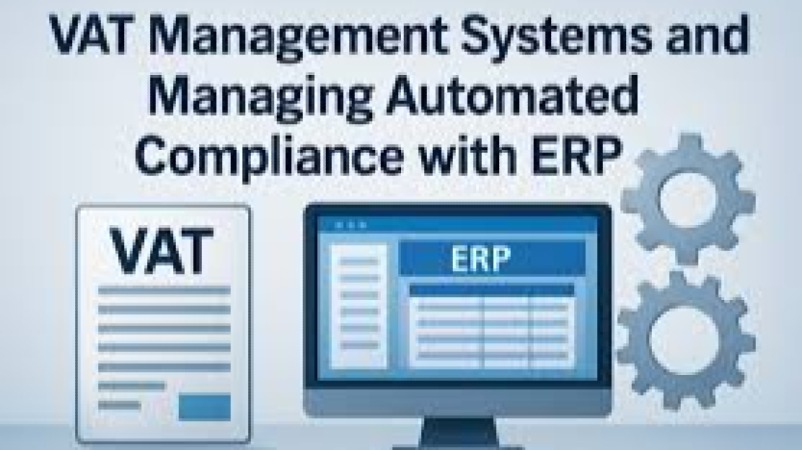
Course Overview
Tax and VAT Configuration in ERP Systems Training Course
Introduction
In today's rapidly evolving business landscape, understanding Tax & VAT Configuration in ERP systems is crucial for organizations looking to optimize their financial operations, ensure compliance, and improve overall efficiency. This training course aims to provide professionals with the knowledge and hands-on expertise needed to configure and manage tax and VAT processes within ERP systems, specifically tailored for different global markets. With tax regulations becoming increasingly complex and varied across jurisdictions, mastering ERP configurations for tax management has never been more important. This course focuses on the integration of tax rules, VAT reporting, and the automation of tax-related workflows to streamline business processes, reduce errors, and ensure timely compliance.
Tax and VAT Configuration in ERP Systems Training Course is designed for professionals who want to gain a deep understanding of ERP-based tax and VAT configuration and its critical role in maintaining business sustainability. Participants will learn how to effectively set up tax codes, configure VAT scenarios, handle cross-border tax calculations, and ensure accurate reporting in compliance with local and international tax laws. Through interactive case studies and hands-on practice, learners will gain a comprehensive understanding of key functionalities and best practices, ensuring they can implement these configurations with confidence in real-world settings.
Course Duration
5 days
Course Objectives
- Understand Tax & VAT fundamentals in ERP systems for accurate configuration and management.
- Configure VAT settings within ERP systems to comply with global tax requirements.
- Learn automation techniques for tax calculations to reduce manual errors and time consumption.
- Configure tax codes and tax groups to streamline VAT processing and reporting.
- Analyze the impact of tax regulations on ERP systems across different countries and regions.
- Learn about cross-border VAT and tax implications for international businesses.
- Develop knowledge of tax reporting and documentation requirements for regulatory compliance.
- Master tax exemption rules and their configuration in ERP systems.
- Learn to generate VAT reports and tax return forms with precision and efficiency.
- Implement best practices for VAT reclaim and refunds in ERP systems.
- Understand the integration of ERP systems with external tax reporting tools and databases.
- Comprehend the role of tax audits and how to configure ERP systems for audit readiness.
- Enhance troubleshooting skills to identify and resolve common tax configuration issues in ERP systems.
Target Audience
- Tax professionals seeking to optimize their ERP systems for VAT and tax configuration.
- ERP consultants specializing in finance and accounting modules.
- IT professionals involved in the implementation of ERP systems for tax management.
- Finance managers and controllers working with ERP-based financial systems.
- VAT specialists needing to enhance their technical configuration skills.
- Business analysts looking to streamline tax processes within ERP platforms.
- Compliance officers aiming to ensure VAT and tax reporting accuracy.
- Project managers overseeing ERP system implementations in multinational companies.
Training Modules
Module 1: Introduction to ERP and Tax Configuration
- Overview of ERP systems and their role in tax management.
- Understanding basic tax configuration principles.
- Tax structures and their relationship with ERP data.
- Configuring tax codes and tax groups.
- Case Study: Implementing basic VAT configuration for a local business.
Module 2: VAT Setup and Configuration
- Understanding VAT settings in ERP systems.
- Configuring tax calculation methods for VAT.
- Setting up VAT groups and classifications.
- Managing VAT thresholds and exemptions.
- Case Study: Configuring VAT for cross-border transactions in a multinational company.
Module 3: Tax Reporting and Compliance
- Generating VAT reports from ERP systems.
- Creating tax return forms and documentation.
- Automating tax calculation and reporting processes.
- Complying with local and international tax regulations.
- Case Study: Automated VAT reporting for a global supply chain.
Module 4: Cross-Border Taxation in ERP Systems
- VAT implications for international transactions.
- Configuring ERP systems for cross-border tax rates.
- Handling multiple tax jurisdictions in a single ERP system.
- Managing intra-community transactions and tax reporting.
- Case Study: Cross-border VAT management for an export business.
Module 5: Advanced Tax Calculation Techniques
- Handling multiple VAT rates and exemptions.
- Configuring tax rules for different industries.
- Integrating third-party tax engines with ERP systems.
- Automating tax rate updates and changes.
- Case Study: Advanced tax calculation for an e-commerce platform.
Module 6: Tax Reclaims and Refunds in ERP Systems
- Understanding VAT reclaim processes.
- Setting up tax refund workflows in ERP systems.
- Handling VAT discrepancies and corrections.
- Integrating refund requests with financial modules.
- Case Study: Streamlining VAT refund processes for a large retailer.
Module 7: ERP Integration with External Tax Tools
- Integrating third-party tax calculation tools with ERP systems.
- Benefits of integrating tax engines for real-time calculation.
- Configuring APIs for tax data exchange.
- Synchronizing ERP tax data with external tax authorities.
- Case Study: Integration of ERP with external tax software for VAT processing.
Module 8: Troubleshooting and Error Resolution
- Identifying common tax configuration issues in ERP systems.
- Resolving VAT calculation discrepancies.
- Ensuring accurate reporting and compliance.
- Conducting system checks for tax audit readiness.
- Case Study: Troubleshooting VAT configuration errors in a global ERP setup.
Training Methodology
This course employs a participatory and hands-on approach to ensure practical learning, including:
- Interactive lectures and presentations.
- Group discussions and brainstorming sessions.
- Hands-on exercises using real-world datasets.
- Role-playing and scenario-based simulations.
- Analysis of case studies to bridge theory and practice.
- Peer-to-peer learning and networking.
- Expert-led Q&A sessions.
- Continuous feedback and personalized guidance.
Register as a group from 3 participants for a Discount
Send us an email: info@datastatresearch.org or call +254724527104
Certification
Upon successful completion of this training, participants will be issued with a globally- recognized certificate.
Tailor-Made Course
We also offer tailor-made courses based on your needs.
Key Notes
a. The participant must be conversant with English.
b. Upon completion of training the participant will be issued with an Authorized Training Certificate
c. Course duration is flexible and the contents can be modified to fit any number of days.
d. The course fee includes facilitation training materials, 2 coffee breaks, buffet lunch and A Certificate upon successful completion of Training.
e. One-year post-training support Consultation and Coaching provided after the course.
f. Payment should be done at least a week before commence of the training, to DATASTAT CONSULTANCY LTD account, as indicated in the invoice so as to enable us prepare better for you.