The Science of Sourdough and Fermented Bread Training Course
The Science of Sourdough and Fermented Bread Training Course is designed to equip participants with the knowledge and practical skills required to master the art and science of sourdough fermentation.
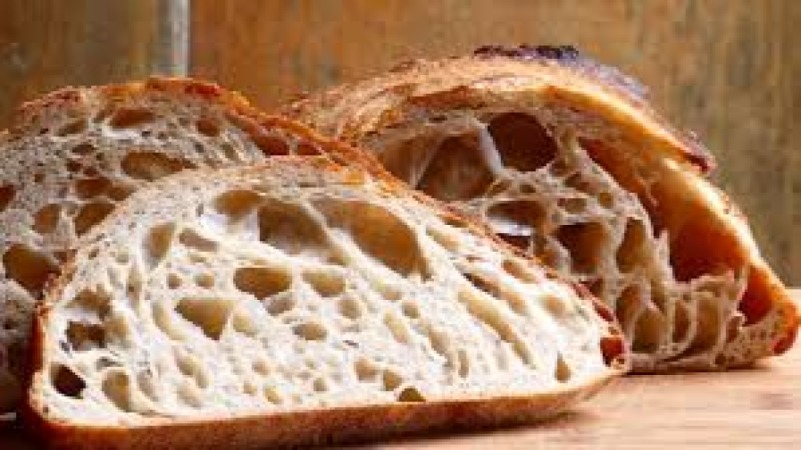
Course Overview
The Science of Sourdough and Fermented Bread Training Course
Introduction
Bread has been a staple in human diets for centuries, but the modern culinary world is increasingly recognizing the value of artisanal and fermented breads for their health benefits, rich flavors, and unique textures. The Science of Sourdough and Fermented Bread Training Course is designed to equip participants with the knowledge and practical skills required to master the art and science of sourdough fermentation. Through an in-depth exploration of fermentation microbiology, dough handling techniques, and baking strategies, participants will gain confidence in creating high-quality, nutritious, and flavorful breads that meet contemporary consumer preferences.
This training course emphasizes hands-on learning, blending scientific principles with culinary artistry. Participants will explore how fermentation impacts dough structure, flavor development, and nutritional content, while also gaining insights into advanced techniques, troubleshooting, and innovation in bread production. By the end of the course, attendees will be able to apply scientific principles and practical skills to produce consistent, premium sourdough and fermented breads suitable for artisan bakeries, restaurants, and home baking enthusiasts.
Course Objectives
- Understand the microbiology and biochemistry of sourdough fermentation
- Explore advanced techniques in dough fermentation and handling
- Master the art of shaping and scoring for professional presentation
- Identify the nutritional benefits of fermented breads
- Develop consistent flavor profiles through controlled fermentation
- Optimize fermentation conditions for various flour types
- Troubleshoot common baking and fermentation issues
- Implement food safety and hygiene practices in bread production
- Integrate traditional and modern sourdough techniques
- Innovate with flavors, inclusions, and specialty breads
- Scale recipes for commercial bakery operations
- Enhance sensory evaluation skills for bread quality assessment
- Apply sustainable practices in artisanal bread production
Organizational Benefits
- Increased product quality and consistency in bakery production
- Enhanced employee knowledge and technical skills
- Ability to innovate with new bread flavors and products
- Improved customer satisfaction and retention
- Strengthened brand reputation for artisanal excellence
- Reduced wastage through efficient dough handling and fermentation
- Compliance with food safety and hygiene standards
- Enhanced operational efficiency in bakery workflows
- Opportunities for product diversification and new revenue streams
- Empowered workforce capable of leading baking initiatives
Additional Benefits Post Course Objectives
- Comprehensive understanding of fermentation science
- Hands-on practice with professional sourdough techniques
- Access to troubleshooting guides for common bread issues
- Exposure to artisan and commercial baking standards
- Enhanced creative skills for bread innovation
- Practical knowledge for scaling home recipes to commercial production
- Insights into flavor pairing and bread customization
- Improved dough handling and fermentation control
- Sensory evaluation for quality assurance
- Networking opportunities with fellow baking professionals
Target Audiences
- Artisan bakers seeking to refine fermentation skills
- Culinary students and professional chefs
- Bakery managers and production supervisors
- Home baking enthusiasts
- Food scientists and technologists
- Restaurant owners offering artisanal breads
- Nutritionists exploring fermented foods
- Entrepreneurs planning a bakery or bread-based business
Course Duration: 5 days
Course Modules
Module 1: Introduction to Sourdough Science
- Overview of sourdough history and global traditions
- Microbiology of yeast and lactic acid bacteria
- Key biochemical processes in fermentation
- Flour types and their impact on fermentation
- Role of water, salt, and temperature in dough development
- Case Study: Traditional San Francisco sourdough fermentation
Module 2: Dough Fermentation Techniques
- Understanding bulk fermentation and proofing
- Techniques for autolyse, stretch-and-fold, and kneading
- Temperature and hydration control for optimal fermentation
- Adjusting fermentation for different flour types
- Managing starter cultures and refreshment schedules
- Case Study: Optimizing fermentation for whole grain breads
Module 3: Shaping, Scoring, and Presentation
- Fundamentals of dough shaping and tension development
- Scoring techniques for aesthetic and functional purposes
- Tools and equipment for professional shaping
- Common shaping errors and troubleshooting
- Presentation tips for bakery display
- Case Study: Artisanal baguette shaping and scoring
Module 4: Flavor Development and Nutrition
- Factors affecting flavor complexity in sourdough
- Lactic vs. acetic acid fermentation and taste profiles
- Role of fermentation in enhancing digestibility and nutrients
- Incorporating inclusions like seeds, nuts, and herbs
- Flavor pairing with artisan breads
- Case Study: Enhancing flavor and nutrition in rye sourdough
Module 5: Troubleshooting and Quality Control
- Identifying and solving fermentation inconsistencies
- Common baking defects and their causes
- Sensory evaluation techniques for bread quality
- Adjusting recipes for environmental factors
- Standardizing procedures for consistent results
- Case Study: Resolving sourdough collapse and dense crumb
Module 6: Advanced Sourdough Techniques
- Long fermentation and retarding methods
- Levain management for different bread types
- Incorporating specialty grains and gluten-free flours
- Innovation with mixed fermentation cultures
- Experimenting with hydration levels and dough stiffness
- Case Study: Multi-grain artisan bread innovation
Module 7: Commercial and Scaling Practices
- Scaling recipes for bakery production
- Workflow optimization in commercial settings
- Equipment selection and usage for large batches
- Cost control and ingredient management
- Maintaining starter cultures at scale
- Case Study: Scaling sourdough for a bakery production line
Module 8: Sustainability and Future Trends
- Sustainable sourcing of grains and ingredients
- Reducing food waste in bread production
- Eco-friendly baking practices
- Emerging trends in fermented foods and bread innovation
- Marketing artisanal and healthy breads
- Case Study: Implementing sustainable practices in a boutique bakery
Training Methodology
- Interactive lectures on sourdough science and fermentation
- Hands-on dough preparation, fermentation, and baking sessions
- Sensory evaluation exercises for bread quality assessment
- Case study discussions to analyze real-world bakery challenges
- Troubleshooting workshops for fermentation and baking issues
- Collaborative group activities to encourage innovation and creativity
Register as a group from 3 participants for a Discount
Send us an email: info@datastatresearch.org or call +254724527104
Certification
Upon successful completion of this training, participants will be issued with a globally- recognized certificate.
Tailor-Made Course
We also offer tailor-made courses based on your needs.
Key Notes
a. The participant must be conversant with English.
b. Upon completion of training the participant will be issued with an Authorized Training Certificate
c. Course duration is flexible and the contents can be modified to fit any number of days.
d. The course fee includes facilitation training materials, 2 coffee breaks, buffet lunch and A Certificate upon successful completion of Training.
e. One-year post-training support Consultation and Coaching provided after the course.
f. Payment should be done at least a week before commence of the training, to DATASTAT CONSULTANCY LTD account, as indicated in the invoice so as to enable us prepare better for you.