Training course on Adaptive Social Protection Policy Frameworks
Training Course on Adaptive Social Protection Policy Frameworks will equip policymakers, social protection program managers, disaster risk management specialists, humanitarian aid practitioners, climate change adaptation experts, national planners, and development professionals with the expert knowledge and practical methodologies
Course Overview
Training Course on Adaptive Social Protection Policy Frameworks
Introduction:
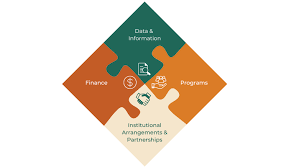
In an era characterized by increasing frequency and intensity of climate shocks, economic crises, pandemics, and conflicts, traditional social protection systems often struggle to adequately respond to the escalating vulnerabilities of populations. Adaptive Social Protection (ASP) represents a critical paradigm shift, moving beyond static safety nets to design systems with inherent flexibility to anticipate, absorb, and adapt to various shocks and stressors. An effective ASP policy framework integrates elements of social protection, disaster risk management (DRM), and humanitarian assistance, aiming to build long-term resilience among vulnerable populations. Training Course on Adaptive Social Protection Policy Frameworks will equip policymakers, social protection program managers, disaster risk management specialists, humanitarian aid practitioners, climate change adaptation experts, national planners, and development professionals with the expert knowledge and practical methodologies to strategically design, implement, and manage comprehensive Adaptive Social Protection policy frameworks. The program focuses on the conceptual foundations of ASP, integrating risk and vulnerability analysis, designing shock-responsive programs, financing mechanisms for ASP, strengthening institutional coordination, and monitoring and evaluating ASP effectiveness, blending rigorous analytical frameworks with practical, hands-on application, global case studies (including those from Kenya), and interactive ASP policy framework design simulations. Participants will gain the strategic foresight and technical expertise to confidently lead the development and enhancement of adaptive social protection systems, fostering unparalleled resilience, responsiveness, and sustainable development, thereby securing their position as indispensable leaders in building a more secure future for vulnerable populations.
This comprehensive 5-day program delves into nuanced methodologies for conducting multi-hazard risk and vulnerability assessments to inform ASP design, mastering sophisticated techniques for establishing triggers for program scale-up based on early warning systems, and exploring cutting-edge approaches to developing contingency financing mechanisms, integrating climate change adaptation strategies into social protection, leveraging digital payment systems for rapid disbursements during emergencies, and fostering cross-sectoral partnerships for coordinated response. A significant focus will be placed on understanding the interplay of ASP design with existing national social protection systems, the specific challenges of implementing ASP in fragile and conflict-affected contexts (with relevant examples from Africa, including Kenya), and the practical application of localization principles to ensure that adaptive responses are contextually appropriate and community-led.
Course Objectives:
Upon completion of this course, participants will be able to:
- Analyze core concepts and strategic responsibilities of Adaptive Social Protection (ASP) as an integrated approach to building resilience.
- Master sophisticated techniques for understanding and integrating risk and vulnerability analysis into ASP policy frameworks.
- Develop robust methodologies for designing shock-responsive social protection programs, including vertical and horizontal scaling mechanisms.
- Implement effective strategies for establishing early warning systems and triggers for proactive social protection responses.
- Manage complex considerations for identifying and mobilizing diverse financing mechanisms for ASP, including contingency financing.
- Apply robust strategies for strengthening institutional coordination and partnerships between social protection, DRM, and humanitarian actors.
- Understand the deep integration of climate change adaptation (CCA) and disaster risk reduction (DRR) within ASP policy frameworks.
- Leverage knowledge of global best practices and lessons learned from designing and implementing ASP in diverse country contexts, particularly in Africa (including Kenya).
- Optimize strategies for data and information management to support timely and accurate ASP responses (e.g., social registries).
- Formulate specialized recommendations for monitoring and evaluating the effectiveness and impact of ASP interventions on household resilience.
- Conduct comprehensive assessments of existing social protection systems to identify opportunities for transitioning to adaptive frameworks.
- Navigate challenging situations such as political will, data limitations, capacity constraints, and ensuring equity in ASP implementation.
- Develop a holistic, evidence-based, and context-specific approach to designing and managing Adaptive Social Protection Policy Frameworks, ensuring populations are better prepared for and able to recover from shocks.
Target Audience
This course is designed for professionals interested in Adaptive Social Protection Policy Frameworks:
- Social Protection Program Managers: Responsible for national safety nets and social assistance programs.
- Disaster Risk Management (DRM) Specialists: From national disaster management agencies and related ministries.
- Humanitarian Aid Practitioners: Involved in emergency response and recovery efforts.
- Policymakers & National Planners: From ministries of planning, finance, social affairs, and environment.
- Climate Change Adaptation (CCA) Experts: Working on national adaptation plans and climate resilience initiatives.
- Development Partners & UN Agency Staff: Supporting countries in building resilience and shock-responsive systems.
- Researchers & Academics: Specializing in social protection, humanitarian action, and climate change.
- Local Government Authorities: Responsible for sub-national disaster preparedness and social welfare in Kenya.
Course Duration: 5 Days
Course Modules:
- Module 1: Foundations of Adaptive Social Protection (ASP)
- Defining ASP: Core concepts, rationale, and evolution beyond traditional social protection.
- The ASP Framework: Integrating social protection, disaster risk management, and humanitarian assistance.
- Key Principles of ASP: Anticipation, absorption, adaptation, scalability, flexibility, and timeliness.
- Understanding Shocks and Vulnerabilities: Types of shocks (covariate, idiosyncratic) and their impact on households.
- Building Household and Community Resilience: The role of ASP in preparing, coping, and adapting to shocks.
- Module 2: Risk and Vulnerability Analysis for ASP Design
- Conducting Multi-Hazard Risk Assessments: Identifying prevalent natural, economic, health, and conflict risks.
- Vulnerability Profiling: Analyzing who is most affected by shocks and why (e.g., specific groups in Kenya).
- Mapping Coping Mechanisms: Understanding existing household and community strategies for managing shocks.
- Linking Risk Information to Social Protection Needs: Translating assessments into policy relevance.
- Data Sources and Tools: Utilizing early warning systems, remote sensing, and household surveys.
- Module 3: Designing Shock-Responsive Social Protection Programs
- Scalability in Social Protection: Horizontal (new beneficiaries) and vertical (increased benefits/duration) expansion.
- Pre-arranged Financing Mechanisms: Contingency funds, risk insurance, budget re-allocation.
- Pre-identified Triggers: Linking early warning information to automatic or semi-automatic program adjustments.
- Flexible Delivery Mechanisms: Adaptive targeting, digital payments for rapid disbursement.
- Program Modalities for Shock Response: Adaptive cash transfers, public works, and in-kind assistance.
- Module 4: Financing Adaptive Social Protection
- Disaster Risk Financing Strategies: Shifting from reactive to proactive funding.
- Layering Financing Instruments: Different instruments for different layers of risk (e.g., budget reallocations, insurance, humanitarian appeals).
- Estimating the Costs of ASP Scale-Up: Budgeting for preparedness and response capacities.
- Mobilizing Domestic Resources: Integrating ASP into national budgets and fiscal planning.
- Accessing International Climate and Humanitarian Finance: Opportunities and challenges.
- Module 5: Institutional Coordination and Partnerships for ASP
- Mapping Institutional Landscapes: Roles and responsibilities of social protection, DRM, and humanitarian actors.
- Establishing Coordination Mechanisms: Joint planning, task forces, and information sharing platforms.
- Developing Legal and Policy Frameworks: Ensuring mandates and responsibilities for ASP.
- Public-Private Partnerships: Leveraging the private sector for ASP delivery and financing.
- Community Engagement and Localization: Ensuring local ownership and participation in ASP design and implementation (relevant for county-level initiatives in Kenya).
- Module 6: Data, Information, and Early Warning Systems for ASP
- Role of Social Registries/Single Registries: As foundational data platforms for ASP.
- Integrating Early Warning Systems (EWS): Linking climate, economic, and conflict early warnings to social protection.
- Data Requirements for ASP: Granular, timely, and disaggregated data for targeting and response.
- Information Sharing Protocols: Between government agencies and humanitarian actors.
- Technology for ASP: Mobile technology, GIS, big data for real-time monitoring and response.
- Module 7: Integrating Climate Change Adaptation and Disaster Risk Reduction
- Social Protection as a Climate Adaptation Tool: Reducing climate vulnerability, promoting climate-resilient livelihoods.
- Integrating DRR Principles into Social Protection: Reducing exposure and sensitivity to hazards.
- Nature-Based Solutions and Productive Works: Enhancing ecosystem resilience through ASP.
- Addressing Climate-Induced Migration and Displacement: The role of ASP in supporting affected populations.
- Case Studies: Examples of ASP programs strengthening climate resilience (e.g., in drought-prone areas of Kenya).
- Module 8: Monitoring, Evaluation, and Learning in ASP
- Key Performance Indicators for ASP: Measuring preparedness, response, and resilience outcomes.
- Real-Time Monitoring During Crises: Adapting M&E to rapid response environments.
- Evaluating ASP Impact on Resilience: Methodologies for assessing long-term adaptive capacity.
- Learning and Adaptive Management: Using evidence to continuously improve ASP policy and programming.
- Developing an ASP Policy Framework Roadmap: Participants outline a strategic plan for enhancing adaptive social protection in their specific context (e.g., a Kenyan county).
Training Methodology
- Interactive Workshops: Facilitated discussions, group exercises, and problem-solving activities.
- Case Studies: Real-world examples to illustrate successful community-based surveillance practices.
- Role-Playing and Simulations: Practice engaging communities in surveillance activities.
- Expert Presentations: Insights from experienced public health professionals and community leaders.
- Group Projects: Collaborative development of community surveillance plans.
- Action Planning: Development of personalized action plans for implementing community-based surveillance.
- Digital Tools and Resources: Utilization of online platforms for collaboration and learning.
- Peer-to-Peer Learning: Sharing experiences and insights on community engagement.
- Post-Training Support: Access to online forums, mentorship, and continued learning resources.
Register as a group from 3 participants for a Discount
Send us an email: info@datastatresearch.org or call +254724527104
Certification
Upon successful completion of this training, participants will be issued with a globally recognized certificate.
Tailor-Made Course
We also offer tailor-made courses