Training Course on Agile Marketing and Iterative Campaigns (Rapid Response, Adaptability)
This training course on Agile Marketing & Iterative Campaigns focuses on implementing agile methodologies to enhance adaptability, improve campaign effectiveness, and drive continuous improvement.
Course Overview
Training Course on Agile Marketing & Iterative Campaigns
Introduction
In today's fast-paced digital environment, agile marketing has emerged as a vital approach for businesses seeking to respond quickly to market changes and consumer needs. This training course on Agile Marketing & Iterative Campaigns focuses on implementing agile methodologies to enhance adaptability, improve campaign effectiveness, and drive continuous improvement. Participants will learn how to embrace flexibility in their marketing strategies, prioritize rapid response, and foster a culture of experimentation.
By mastering agile marketing principles, professionals can create iterative campaigns that not only meet current demands but also anticipate future trends, ensuring sustained success in a competitive landscape. This course empowers marketers to innovate and adapt swiftly to changing conditions, enhancing overall organizational agility.
Course Objectives
- Understand the fundamentals of agile marketing and its principles.
- Explore the benefits of adopting an iterative approach to campaigns.
- Develop skills in creating agile marketing teams and workflows.
- Implement strategies for rapid response to market changes.
- Utilize data and analytics to inform agile decision-making.
- Foster a culture of experimentation and continuous improvement.
- Analyze and adapt marketing strategies based on feedback.
- Leverage technology and tools to support agile marketing efforts.
- Create effective communication channels within agile teams.
- Measure the success of agile marketing campaigns.
- Understand the role of customer feedback in agile processes.
- Explore case studies of successful agile marketing initiatives.
- Stay updated on emerging trends in agile marketing.
Target Audience
- Marketing Professionals
- Digital Marketing Managers
- Product Managers
- Brand Managers
- Business Analysts
- Entrepreneurs and Startups
- Marketing Consultants
- Students in Marketing and Business
Course Duration: 5 Days
Course Modules
Module 1: Introduction to Agile Marketing
- Overview of agile marketing concepts.
- Key principles and values of agile methodologies.
- Differences between traditional and agile marketing.
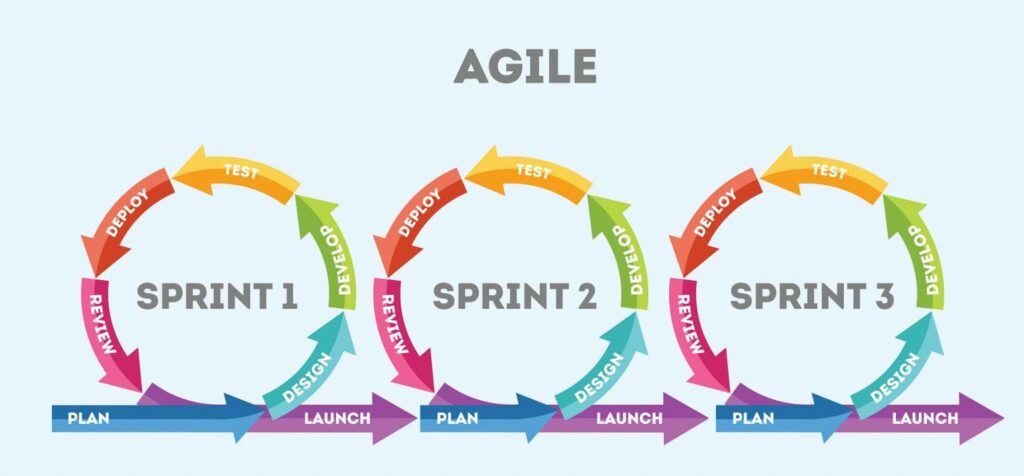
- Understanding the agile marketing lifecycle.
- Case studies of successful agile marketing implementations.
Module 2: Benefits of Iterative Campaigns
- Advantages of an iterative approach in marketing.
- How iterative campaigns enhance flexibility and responsiveness.
- Techniques for breaking down large campaigns into smaller iterations.
- Measuring success through continuous feedback and improvement.
- Real-world examples of iterative campaign success.
Module 3: Building Agile Marketing Teams
- Characteristics of effective agile marketing teams.
- Roles and responsibilities within an agile team.
- Strategies for fostering collaboration and communication.
- Techniques for empowering team members and promoting ownership.
- Tools for managing agile marketing projects.
Module 4: Rapid Response Strategies
- Techniques for identifying and responding to market changes.
- Understanding customer behavior and trends through analytics.
- Creating contingency plans for potential challenges.
- Strategies for leveraging social media for rapid engagement.
- Case studies of brands successfully implementing rapid response.
Module 5: Data-Driven Decision Making
- Importance of data in agile marketing.
- Tools and techniques for gathering actionable insights.
- Analyzing data to inform campaign adjustments.
- Utilizing A/B testing to optimize marketing efforts.
- Best practices for data interpretation and application.
Module 6: Fostering a Culture of Experimentation
- Encouraging innovation and creativity within teams.
- Techniques for designing and implementing experiments.
- Utilizing feedback loops for continuous improvement.
- Celebrating successes and learning from failures.
- Case studies of organizations that prioritize experimentation.
Module 7: Adapting Strategies Based on Feedback
- Importance of customer feedback in the agile process.
- Techniques for gathering and analyzing customer insights.
- Creating feedback mechanisms (surveys, social media, etc.).
- Adapting marketing strategies based on real-time feedback.
- Examples of brands that successfully pivoted based on customer input.
Module 8: Leveraging Technology for Agile Marketing
- Tools and platforms that support agile marketing efforts.
- Utilizing project management software for collaboration.
- Implementing marketing automation for efficiency.
- Exploring analytics tools for real-time insights.
- Case studies of technology-driven agile marketing success.
Training Methodology
- Interactive Workshops: Engaging discussions and hands-on activities.
- Practical Demonstrations: Real-world applications of agile marketing tools.
- Group Projects: Collaborative problem-solving and strategy development.
- Expert Presentations: Insights from industry leaders and practitioners.
- Case Studies: Analyzing successful agile marketing initiatives.
This course is designed to equip participants with the skills necessary to implement agile marketing principles and create iterative campaigns that drive responsiveness and adaptability, ensuring success in a dynamic marketing environment.
Register as a group from 3 participants for a Discount
Send us an email: info@datastatresearch.org or call +254724527104
Tailor-Made Course
We also offer tailor-made courses based on your needs.
Key Notes
a. The participant must be conversant with English.
b. Upon completion of training the participant will be issued with an Authorized Training Certificate
c. Course duration is flexible and the contents can be modified to fit any number of days.
d. The course fee includes facilitation training materials, 2 coffee breaks, buffet lunch and A Certificate upon successful completion of Training.
e. One-year post-training support Consultation and Coaching provided after the course.
f. Payment should be done at least a week before commence of the training, to DATASTAT CONSULTANCY LTD account, as indicated in the invoice so as to enable us prepare better for you.