Training Course on Agile Project Management in Construction
Training Course on Agile Project Management in Construction is meticulously designed to provide a deep dive into the core tenets of Agile and its tailored implementation within the construction sector
Skills Covered
Course Overview
Training Course on Agile Project Management in Construction
Introduction
In today's dynamic construction landscape, characterized by intricate projects, tight deadlines, and the imperative for efficient resource utilization, Agile Project Management emerges as a powerful and adaptive framework. Moving beyond traditional, linear methodologies, Agile embraces iterative development, collaborative teamwork, and flexible response to change, offering significant advantages in navigating the complexities inherent in construction projects. This training course provides a comprehensive understanding of Agile principles and their practical application within the construction industry, equipping participants with the skills to enhance project delivery, improve stakeholder satisfaction, and foster a culture of continuous improvement. By focusing on value-driven delivery, early and continuous feedback, and adaptive planning, this course empowers construction professionals to lead projects with greater efficiency and resilience.
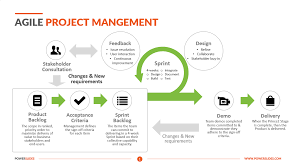
Training Course on Agile Project Management in Construction is meticulously designed to provide a deep dive into the core tenets of Agile and its tailored implementation within the construction sector. Participants will gain practical insights into various Agile methodologies, including Scrum, Kanban, and Lean Construction, and learn how to effectively apply them to different project phases and organizational contexts. The course emphasizes the importance of cross-functional collaboration, transparent communication, and empowered teams in achieving project success. Through interactive exercises, real-world case studies, and practical simulations, attendees will develop the competencies necessary to drive project predictability, mitigate risks, and ultimately deliver superior construction outcomes.
Course Duration
5 days
Course Objectives
- Understand the fundamental Agile principles and values and their relevance to the construction industry.
- Differentiate between traditional Waterfall methodology and various Agile frameworks like Scrum and Kanban in a construction context.
- Learn how to effectively initiate and plan Agile construction projects, defining scope and creating flexible roadmaps.
- Master the roles and responsibilities within an Agile construction team, including the Scrum Master, Product Owner, and Development Team.
- Implement Agile ceremonies such as daily stand-ups, sprint planning, sprint reviews, and sprint retrospectives in construction projects.
- Utilize Agile tools and techniques for task management, progress visualization (e.g., Kanban boards), and communication in construction.
- Apply iterative development and incremental delivery principles to construction phases, ensuring early and continuous value delivery.
- Effectively manage change requests and adapt project plans in response to evolving requirements in construction.
- Foster collaboration and communication among diverse stakeholders, including clients, contractors, and subcontractors, using Agile practices.
- Implement risk management strategies within an Agile framework to proactively identify and mitigate potential issues in construction.
- Measure and track Agile project performance using relevant metrics and adapt processes for continuous improvement in construction.
- Integrate Lean Construction principles with Agile methodologies to optimize workflows and eliminate waste on construction sites.
- Scale Agile adoption across multiple construction projects and within the broader organizational structure.
Organizational Benefits
- Streamlined workflows and reduced rework through iterative development and continuous feedback.
- Enhanced communication and early involvement leading to better alignment with client needs.
- Flexibility to respond effectively to unforeseen challenges and evolving project requirements.
- Minimized waste and optimized resource allocation through Lean-Agile principles.
- Accelerated project delivery through incremental releases and efficient collaboration.
- Fostering a culture of transparency, empowerment, and shared responsibility.
- Early identification and mitigation of potential risks through continuous monitoring and adaptation.
- Frequent reviews and feedback loops ensuring the delivery of high-value and fit-for-purpose outcomes.
Target Audience
- Project Managers in Construction
- Construction Site Managers
- Construction Engineers
- Architects and Designers
- Contractors and Subcontractors
- Clients and Developers
- Construction Business Owners
- Project Management Consultants specializing in Construction
Course Outline
Module 1: Foundations of Agile and its Relevance to Construction
- Understanding the core principles and values of the Agile Manifesto.
- Comparing traditional (Waterfall) and Agile project management methodologies in construction.
- Exploring the benefits and challenges of adopting Agile in the construction industry.
- Identifying different Agile frameworks: Scrum, Kanban, Lean, and their applicability to construction projects.
- Case Study: Analysis of a construction project that successfully transitioned from a traditional to an Agile approach.
Module 2: Agile Planning and Initiation in Construction
- Defining project vision and creating a product backlog for construction deliverables.
- Estimating effort and prioritizing tasks in an Agile construction context.
- Developing iterative release plans and sprint goals for construction phases.
- Conducting effective sprint planning meetings for construction teams.
- Case Study: A real-world example of backlog creation and sprint planning for a building construction project.
Module 3: Agile Execution and Collaboration in Construction
- Understanding the roles and responsibilities within an Agile construction team (Scrum Master, Product Owner, Development Team).
- Facilitating effective daily stand-up meetings on construction sites.
- Utilizing information radiators (e.g., Kanban boards) for visual progress tracking in construction.
- Promoting cross-functional collaboration and communication among construction stakeholders.
- Case Study: Examination of a construction project where effective team collaboration led to timely problem-solving.
Module 4: Managing Change and Risk in Agile Construction Projects
- Embracing change and adapting project plans in response to evolving construction requirements.
- Implementing strategies for managing change requests and their impact on the construction schedule and budget.
- Identifying and mitigating potential risks in an Agile construction environment.
- Using feedback loops and continuous improvement to address challenges proactively.
- Case Study: Analysis of how an Agile construction team effectively handled a significant unforeseen site condition.
Module 5: Agile Methodologies in Construction: Scrum and Kanban
- Deep dive into the Scrum framework and its application in managing construction projects.
- Understanding Scrum ceremonies: Sprint Planning, Daily Scrum, Sprint Review, Sprint Retrospective in a construction context.
- Exploring the Kanban method for visualizing and managing workflow in construction processes.
- Implementing WIP (Work in Progress) limits to optimize efficiency on construction sites.
- Case Study: Comparison of using Scrum versus Kanban for different types of construction projects.
Module 6: Integrating Lean Principles with Agile in Construction
- Understanding the core principles of Lean Construction (e.g., eliminating waste, maximizing value).
- Identifying and addressing the seven wastes in construction using Lean-Agile approaches.
- Applying techniques like Value Stream Mapping and Pull Planning in an Agile construction context.
- Improving workflow and reducing cycle times through Lean-Agile integration.
- Case Study: An example of a construction project that successfully integrated Lean principles within an Agile framework.
Module 7: Measuring and Improving Agile Project Performance in Construction
- Identifying key Agile metrics for tracking progress and performance in construction
- Using burndown charts and other visual tools to monitor project status in construction.
- Conducting effective sprint reviews to gather feedback and demonstrate value.
- Facilitating productive sprint retrospectives to identify areas for improvement in construction processes.
- Case Study: Analysis of how data-driven insights from Agile metrics led to significant performance improvements on a construction project.
Module 8: Scaling Agile and Future Trends in Construction Project Management
- Strategies for scaling Agile adoption across multiple construction teams and projects.
- Addressing the challenges and considerations of scaling Agile in large construction organizations.
- Exploring emerging trends in Agile and their potential impact on the construction industry (e.g., BIM integration, digital tools).
- Developing a roadmap for continuous Agile implementation and improvement within a construction company.
- Case Study: Examination of a large construction company that successfully scaled Agile practices across its various projects.
Training Methodology
This training course will employ a highly interactive and practical methodology, incorporating:
- Interactive Lectures and Discussions: Engaging participants in understanding core concepts and sharing experiences.
- Group Exercises and Activities: Applying Agile principles and techniques to realistic construction scenarios.
- Case Study Analysis: Examining real-world examples of Agile implementation in construction.
- Practical Simulations: Providing hands-on experience with Agile tools and processes.
- Q&A Sessions: Addressing participant queries and fostering deeper understanding.
- Templates and Tools: Providing practical resources for immediate application on the job.
Register as a group from 3 participants for a Discount
Send us an email: info@datastatresearch.org or call +254724527104
Certification
Upon successful completion of this training, participants will be issued with a globally- recognized certificate.
Tailor-Made Course
We also offer tailor-made courses based on your needs.
Key Notes
a. The participant must be conversant with English.
b. Upon completion of training the participant will be issued with an Authorized Training Certificate
c. Course duration is flexible and the contents can be modified to fit any number of days.
d. The course fee includes facilitation training materials, 2 coffee breaks, buffet lunch and A Certificate upon successful completion of Training.
e. One-year post-training support Consultation and Coaching provided after the course.
f. Payment should be done at least a week before commence of the training, to DATASTAT CONSULTANCY LTD account, as indicated in the invoice so as to enable us prepare better for you.