Training Course on Comprehensive Farm Management Software and Data Integration
Training Course on Comprehensive Farm Management Software and Data Integration provides participants with in-depth knowledge of cutting-edge farm management systems, data integration tools, and smart farming technologies.
Skills Covered
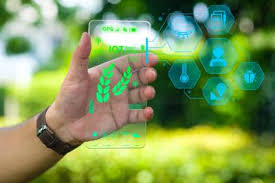
Course Overview
Training Course on Comprehensive Farm Management Software and Data Integration
Introduction
In today’s fast-paced agricultural landscape, digital transformation is revolutionizing how farms are managed. Comprehensive farm management software integrated with data analytics empowers agribusinesses and smallholder farmers to enhance productivity, improve resource efficiency, and drive sustainable growth. Training Course on Comprehensive Farm Management Software and Data Integration provides participants with in-depth knowledge of cutting-edge farm management systems, data integration tools, and smart farming technologies. It focuses on automation, real-time monitoring, geospatial analysis, and cloud-based platforms that streamline agricultural decision-making.
As climate change, global food demand, and input costs increase, farmers need smarter solutions to thrive. This training equips participants with the technical skills and digital literacy necessary to harness AI-driven insights, IoT applications, and farm data platforms. From precision agriculture to yield forecasting, this course bridges the gap between traditional farming and data-powered agritech solutions. Whether you're an agri-entrepreneur, extension officer, or researcher, you'll learn to leverage digital tools for smarter, scalable, and more sustainable farm management.
Course Objectives
- Understand the fundamentals of farm management software and smart agriculture systems.
- Explore the role of IoT in agriculture for real-time data collection and automation.
- Learn how to apply data analytics in agribusiness decision-making.
- Implement precision agriculture tools for improved input efficiency.
- Integrate farm records using cloud-based farm management systems.
- Apply geospatial mapping and GIS tools in farm planning.
- Use mobile farm apps for inventory and field task management.
- Employ remote sensing and drone technology for crop monitoring.
- Customize dashboards and reports using farm management software.
- Enhance agricultural sustainability through data-driven planning.
- Monitor livestock and crop performance using digital tools.
- Evaluate ROI and profitability with farm financial management software.
- Build digital capacity for climate-smart farming practices.
Target Audiences
- Farmers and Agripreneurs – Seeking to adopt digital tools for enhanced productivity.
- Agricultural Extension Officers – Aiming to guide farmers on tech-enabled solutions.
- Government Agriculture Officials – Interested in scaling digital farming initiatives.
- NGO and Development Partners – Working on agri-digital transformation projects.
- Students and Researchers in Agriculture – Exploring modern farm tech integration.
- ICT Professionals in Agritech – Building or maintaining farm software platforms.
- Agri-Cooperatives and Unions – Looking to digitize record-keeping and operations.
- Agro-advisory Service Providers – Delivering data-backed consultancy to farmers.
Course Duration: 5 days
Course Modules
Module 1: Introduction to Smart Farm Management Systems
- Overview of digital agriculture and smart farming.
- Key components of farm management software.
- Types of farming operations supported by software.
- Benefits of data integration in agriculture.
- Overview of leading platforms (e.g., Trimble, Cropio).
- Case Study: Comparing traditional and digital farm record-keeping.
Module 2: IoT Applications and Sensors in Agriculture
- Role of IoT in real-time data collection.
- Soil and moisture sensors, weather stations, and automation.
- Integration of sensor data into software platforms.
- Improving crop yield and water efficiency with IoT.
- Sensor network configuration and management.
- Case Study: IoT-driven irrigation in dryland farming.
Module 3: Data Analytics and Farm Decision-Making
- Importance of agricultural data analysis.
- Tools for analyzing yield, costs, and productivity.
- Interpreting historical trends and forecasting yields.
- Data visualization using dashboards.
- Building KPIs and reporting systems.
- Case Study: Using analytics to optimize crop rotation.
Module 4: GIS and Geospatial Mapping in Agriculture
- Introduction to GIS and remote sensing.
- Mapping soil types, terrain, and field boundaries.
- Application of satellite imagery for crop health monitoring.
- Integrating GIS data with farm software.
- Tools: QGIS, ArcGIS, Google Earth Engine.
- Case Study: GIS-enabled fertilizer application mapping.
Module 5: Cloud Platforms and Mobile Apps for Farm Management
- Introduction to cloud computing in agriculture.
- Benefits of mobile farm applications.
- Offline access and syncing capabilities.
- Choosing between proprietary and open-source apps.
- Mobile-based inventory, weather, and pest alerts.
- Case Study: Mobile data entry for smallholder farms in Kenya.
Module 6: Livestock and Crop Monitoring Technologies
- Digital livestock tracking and breeding management.
- Crop scouting with drones and AI-enabled cameras.
- Integration with animal health and feeding data.
- Disease detection using image recognition.
- Monitoring growth stages via remote tools.
- Case Study: Drone-based pest surveillance in rice farming.
Module 7: Financial and Inventory Management Tools
- Software for farm budgeting and accounting.
- Real-time input-output cost tracking.
- Inventory control and supply chain data.
- ROI calculations and scenario modeling.
- Integrating market data for pricing.
- Case Study: Digital budgeting for a dairy cooperative.
Module 8: Developing a Digital Farm Strategy
- Setting up your farm’s digital transformation roadmap.
- Identifying appropriate tools based on farm size and goals.
- Training staff and building internal digital capacity.
- Collaborating with stakeholders and agri-tech providers.
- Monitoring success and measuring digital impact.
- Case Study: A step-by-step roadmap for digitalizing a mixed-use farm.
Training Methodology
- Hands-on demonstrations using leading software platforms.
- Interactive case studies and real-life success stories.
- Group discussions and peer-to-peer learning sessions.
- Simulation exercises and role-playing tasks.
- Guided field visits (optional) to tech-integrated farms.
- Final group project: Designing a digital farm blueprint.
Register as a group from 3 participants for a Discount
Send us an email: info@datastatresearch.org or call +254724527104
Certification
Upon successful completion of this training, participants will be issued with a globally- recognized certificate.
Tailor-Made Course
We also offer tailor-made courses based on your needs.
Key Notes
a. The participant must be conversant with English.
b. Upon completion of training the participant will be issued with an Authorized Training Certificate
c. Course duration is flexible and the contents can be modified to fit any number of days.
d. The course fee includes facilitation training materials, 2 coffee breaks, buffet lunch and A Certificate upon successful completion of Training.
e. One-year post-training support Consultation and Coaching provided after the course.
f. Payment should be done at least a week before commence of the training, to DATASTAT CONSULTANCY LTD account, as indicated in the invoice so as to enable us prepare better for you.