Training course on Crisis Management for Events
Training Course on Crisis Management for Events is meticulously designed to equip aspiring and current event managers, security personnel, venue staff, public relations professionals, and incident response teams with the foundational theoretical insights and intensive practical tools necessary to excel in Crisis Management for Events.
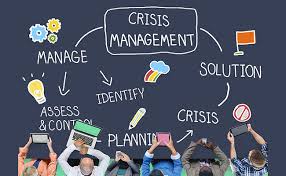
Course Overview
Training Course on Crisis Management for Events
Introduction
In the unpredictable and high-stakes world of live events, Crisis Management for Events is not merely a reactive measure but an essential proactive discipline that safeguards participants, protects reputations, and ensures business continuity. Regardless of meticulous planning, unforeseen emergencies—from natural disasters and security threats to medical incidents and technical failures—can arise, threatening to derail an event and cause significant harm. Mastering crisis management involves developing comprehensive preparedness plans, establishing clear communication protocols, training rapid response teams, and making critical decisions under immense pressure. For event professionals, understanding how to anticipate, mitigate, and effectively respond to crises is paramount for ensuring the safety and well-being of all attendees, preserving brand integrity, and minimizing financial and reputational damage. Failure to prepare for and expertly manage a crisis can lead to catastrophic consequences, undermining an event's success and the organizer's credibility.
Training Course on Crisis Management for Events is meticulously designed to equip aspiring and current event managers, security personnel, venue staff, public relations professionals, and incident response teams with the foundational theoretical insights and intensive practical tools necessary to excel in Crisis Management for Events. We will delve into systematic methodologies for identifying and assessing potential risks, master the intricacies of developing comprehensive crisis management plans, and explore cutting-edge approaches to emergency communication and media relations during a crisis. A significant focus will be placed on understanding legal and ethical responsibilities, establishing clear command structures, and conducting effective post-crisis evaluations. By integrating industry best practices, analyzing real-world event crisis scenarios, and engaging in hands-on simulation exercises, attendees will develop the strategic acumen to build resilient events, foster unparalleled participant safety, and secure their reputation as professionals capable of navigating any unforeseen challenge with confidence and competence.
Course Objectives
Upon completion of this course, participants will be able to:
- Analyze the fundamental principles and strategic importance of Crisis Management for Events.
- Identify and assess a wide range of potential risks and threats to event safety and success.
- Master methodologies for developing comprehensive Crisis Management Plans (CMPs).
- Formulate effective emergency communication strategies for various stakeholders during a crisis.
- Implement robust on-site incident response protocols and command structures.
- Understand legal liabilities and ethical considerations in event crisis situations.
- Develop strategies for media relations and reputation management during and after a crisis.
- Apply principles of crowd psychology and human behavior in emergency scenarios.
- Conduct thorough staff training and simulation exercises for crisis preparedness.
- Leverage event technology and communication tools for crisis notification and coordination.
- Understand post-crisis recovery strategies and psychological first aid.
- Conduct comprehensive post-crisis evaluation and learning for continuous improvement.
- Position themselves as highly capable professionals in ensuring event safety and resilience.
Target Audience
This course is designed for professionals who are, or will be, responsible for safety, security, and crisis response at events:
- Event Managers and Coordinators: Responsible for overall event planning and execution.
- Venue Operations and Security Staff: Managing safety within event spaces.
- Emergency Services Personnel: Collaborating with event organizers.
- Public Relations and Communications Professionals: Managing crisis messaging.
- Corporate Security Managers: Overseeing security for company events.
- Association Executives: Responsible for participant safety at large gatherings.
- Risk Management Professionals: Specializing in event liability.
- Hospitality Students: Focused on event safety and crisis preparedness.
Course Duration: 5 Days
Course Modules
Module 1: Foundations of Crisis Management for Events
- Defining Crisis vs. Incident vs. Emergency in an Event Context.
- The Importance of Proactive Crisis Management: Saving Lives, Reputation, Business.
- Overview of Common Event Crises: Natural Disasters, Security Threats, Medical Emergencies, Technical Failures.
- The Crisis Management Cycle: Preparedness, Response, Recovery, Mitigation.
- Ethical and Moral Imperatives in Event Safety.
Module 2: Risk Assessment and Mitigation Strategies
- Identifying Potential Risks Unique to Your Event (Venue, Audience, Type of Event).
- Conducting a Comprehensive Risk Assessment and Threat Analysis.
- Developing Risk Mitigation Strategies to Reduce Likelihood and Impact.
- Understanding Vulnerabilities and Weaknesses in Event Planning.
- Legal Liabilities and Due Diligence in Risk Management.
Module 3: Developing a Crisis Management Plan (CMP)
- Components of a Comprehensive CMP: Roles, Responsibilities, Communication Trees, Procedures.
- Establishing an Incident Command System (ICS) for Events.
- Creating Emergency Contact Lists and Resource Inventories.
- Integrating CMP with Venue Emergency Plans.
- Developing Checklists and Standard Operating Procedures (SOPs) for Crisis Scenarios.
Module 4: Emergency Communication and Media Relations
- Establishing Internal Communication Protocols During a Crisis (Staff, Teams, Stakeholders).
- Developing External Communication Strategies: Public, Attendees, Media, Families.
- Crafting Crisis Statements, FAQs, and Social Media Responses.
- Appointing and Training a Crisis Spokesperson.
- Managing Media Inquiries and Preventing Misinformation.
Module 5: On-Site Incident Response and Execution
- Implementing the CMP During a Live Incident.
- Establishing a Command Center and Designating Roles.
- Rapid Assessment of the Situation and Decision-Making Under Pressure.
- Coordination with Emergency Services (Police, Fire, EMS).
- Evacuation Procedures and Shelter-in-Place Protocols.
Module 6: Legal, Ethical, and Insurance Considerations
- Understanding Event Organizer's Duty of Care.
- Legal Implications of Negligence and Crisis Response.
- Importance of Comprehensive Event Insurance Coverage.
- Documentation and Record-Keeping During a Crisis.
- Ethical Decision-Making in High-Stakes Situations.
Module 7: Staff Training and Simulation Exercises
- Designing and Delivering Effective Crisis Preparedness Training for All Staff.
- Conducting Tabletop Exercises and Full-Scale Simulations.
- Debriefing After Drills to Identify Gaps and Improve Response.
- Training on First Aid, CPR, and Use of Automated External Defibrillators (AEDs).
- Fostering a Culture of Preparedness and Vigilance.
Module 8: Post-Crisis Evaluation and Recovery
- Conducting Thorough Post-Crisis Debriefings and Root Cause Analysis.
- Evaluating the Effectiveness of the CMP and Response.
- Implementing Corrective Actions and Updates to Plans.
- Managing Post-Crisis Recovery for Affected Individuals and the Event/Organization.
- Psychological First Aid and Support for Staff and Attendees.
Training Methodology
- Interactive Workshops: Facilitated discussions, group exercises, and problem-solving activities.
- Case Studies: Real-world examples to illustrate successful community-based surveillance practices.
- Role-Playing and Simulations: Practice engaging communities in surveillance activities.
- Expert Presentations: Insights from experienced public health professionals and community leaders.
- Group Projects: Collaborative development of community surveillance plans.
- Action Planning: Development of personalized action plans for implementing community-based surveillance.
- Digital Tools and Resources: Utilization of online platforms for collaboration and learning.
- Peer-to-Peer Learning: Sharing experiences and insights on community engagement.
- Post-Training Support: Access to online forums, mentorship, and continued learning resources.
Register as a group from 3 participants for a Discount
Send us an email: info@datastatresearch.org or call +254724527104
Certification
Upon successful completion of this training, participants will be issued with a globally recognized certificate.
Tailor-Made Course
We also offer tailor-made courses based on your needs.
Key Notes
- Participants must be conversant in English.
- Upon completion of training, participants will receive an Authorized Training Certificate.
- The course duration is flexible and can be modified to fit any number of days.
- Course fee includes facilitation, training materials, 2 coffee breaks, buffet lunch, and a Certificate upon successful completion.
- One-year post-training support, consultation, and coaching provided after the course.
- Payment should be made at least a week before the training commencement to DATASTAT CONSULTANCY LTD account, as indicated in the invoice, to enable better preparation.