Training Course on ESG and Sustainability Masterclass
Training Course on ESG and Sustainability Masterclass equips professionals with the critical knowledge and practical skills to navigate this transformative shift.
Skills Covered
Course Overview
Training Course on ESG and Sustainability Masterclass
Introduction
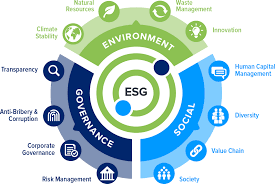
In today's rapidly evolving global landscape, Environmental, Social, and Governance (ESG) factors and the imperative of Sustainability have moved from the periphery to the core of successful organizational strategy. Training Course on ESG and Sustainability Masterclass equips professionals with the critical knowledge and practical skills to navigate this transformative shift. Participants will gain a comprehensive understanding of the interconnectedness of ESG principles, their impact on long-term value creation, and the strategies necessary to integrate sustainable practices across their operations. Through expert-led sessions, real-world case studies, and interactive discussions, you will learn to identify sustainability risks and opportunities, develop robust ESG frameworks, and contribute to a more resilient and responsible future for your organization and the planet.
This masterclass is meticulously designed to provide actionable insights and foster a deep understanding of the latest trends and best practices in corporate sustainability. You will explore the evolving regulatory landscape, learn how to effectively measure and report on ESG performance, and discover innovative approaches to drive positive environmental and social impact while enhancing stakeholder value. By mastering the principles of sustainable development and responsible business practices, you will become a key driver of organizational change, contributing to enhanced reputation, improved operational efficiency, and a stronger competitive advantage in the green economy.
Course Duration
10 days
Course Objectives
- Define core environmental, social, and governance principles and their significance in today's business context.
- Analyze key global sustainability challenges such as climate change, resource scarcity, and social inequality.
- Gain insights into major ESG reporting standards (e.g., GRI, SASB, TCFD) and relevant regulatory developments.
- Learn to conduct ESG materiality assessments to pinpoint critical areas for your organization.
- Acquire practical tools and techniques for integrating ESG considerations into business strategy and operations.
- Understand how to effectively communicate and engage with diverse stakeholders on sustainability initiatives.
- Learn best practices in ESG data collection, analysis, and transparent reporting.
- Explore strategies for promoting sustainable procurement and managing ESG risks in the supply chain.
- Analyze the growing importance of sustainable finance and impact investing.
- Explore the principles of the circular economy and identify opportunities for resource efficiency and waste reduction.
- Understand how strong ESG performance contributes to positive brand perception.
- Learn strategies for promoting employee engagement and embedding sustainability values.
- Understand how integrating ESG factors drives resilience, innovation, and long-term financial performance.
Organizational Benefits
- Demonstrating a commitment to ESG principles builds trust with customers, investors, and other stakeholders.
- Identifying and addressing ESG risks proactively can mitigate potential operational, financial, and reputational damage.
- Employees are increasingly drawn to organizations with strong sustainability values and a clear sense of purpose.
- Implementing sustainable practices can lead to reduced energy consumption, waste generation, and resource utilization.
- Investors are increasingly prioritizing companies with strong ESG performance, leading to greater access to capital.
Target Participants
- Sustainability Managers
- ESG Analysts
- Corporate Strategists
- Risk Management Professionals
- Finance Executives
- Operations Managers
- Human Resources Leaders
- Business Development Managers
Course Outline
Module 1: Foundations of ESG and Sustainability
- Defining ESG: Environmental, Social, and Governance pillars.
- The interconnectedness of ESG and Sustainable Development Goals (SDGs).
- The business case for sustainability: Value creation and risk mitigation.
- Historical evolution and current trends in ESG and sustainability.
- Case Study: Patagonia's commitment to environmental and social responsibility.
Module 2: The Global Sustainability Context
- Understanding planetary boundaries and ecological limits.
- Key global challenges: Climate change, biodiversity loss, resource scarcity.
- International agreements and frameworks (e.g., Paris Agreement, UN Global Compact).
- The role of businesses in addressing global sustainability challenges.
- Case Study: Unilever's Sustainable Living Plan and its impact.
Module 3: ESG Regulatory Landscape and Reporting Frameworks
- Overview of key ESG regulations and their implications.
- Detailed exploration of major reporting standards: GRI, SASB, TCFD, CDP.
- Understanding the importance of materiality in ESG reporting.
- The evolving landscape of integrated reporting.
- Case Study: Examining a company's integrated report and its key disclosures.
Module 4: Identifying and Assessing ESG Risks and Opportunities
- Methodologies for conducting ESG materiality assessments.
- Analyzing environmental risks: Climate change impacts, pollution, resource depletion.
- Analyzing social risks: Labor practices, human rights, community relations.
- Analyzing governance risks: Corporate ethics, board structure, shareholder rights.
- Case Study: How a company identified and responded to a significant ESG risk.
Module 5: Developing and Implementing ESG Strategies
- Integrating ESG considerations into corporate strategy and decision-making.
- Setting meaningful ESG targets and key performance indicators (KPIs).
- Developing action plans and roadmaps for ESG implementation.
- The role of innovation and technology in advancing ESG goals.
- Case Study: A company's journey in developing and implementing a comprehensive ESG strategy.
Module 6: Stakeholder Engagement and Communication
- Identifying and mapping key stakeholders.
- Strategies for effective communication and engagement on ESG issues.
- Addressing stakeholder concerns and building trust.
- The role of transparency and disclosure in stakeholder relations.
- Case Study: A company's successful engagement with a challenging stakeholder group.
Module 7: Measuring and Reporting ESG Performance
- Best practices in ESG data collection, management, and analysis.
- Understanding key ESG metrics and their relevance.
- Ensuring data quality and accuracy in ESG reporting.
- Utilizing digital tools and platforms for ESG data management.
- Case Study: Analyzing a company's ESG performance report and its key metrics.
Module 8: Sustainable Supply Chain Management
- Understanding ESG risks and opportunities in the supply chain.
- Strategies for promoting sustainable procurement practices.
- Supplier codes of conduct and audit processes.
- Collaborating with suppliers to improve ESG performance.
- Case Study: A company's initiatives to build a more sustainable supply chain.
Module 9: Sustainable Finance and Impact Investing
- The growing landscape of sustainable finance instruments (e.g., green bonds, sustainability-linked loans).
- Understanding impact investing and its principles.
- Integrating ESG factors into investment decision-making.
- Measuring the social and environmental impact of investments.
- Case Study: An example of successful impact investing and its outcomes.
Module 10: The Circular Economy and Resource Efficiency
- Principles of the circular economy: Reduce, reuse, recycle.
- Strategies for minimizing waste and maximizing resource utilization.
- Designing for circularity and product lifecycle management.
- Opportunities for innovation in the circular economy.
- Case Study: A company that has successfully implemented circular economy principles.
Module 11: Enhancing Corporate Reputation and Brand Value through ESG
- The link between strong ESG performance and brand perception.
- Communicating ESG efforts effectively to build trust and credibility.
- Managing ESG-related reputational risks.
- The role of ESG in attracting and retaining customers.
- Case Study: How a company leveraged its ESG commitment to enhance its brand.
Module 12: Fostering a Culture of Sustainability
- Strategies for embedding sustainability values within the organization.
- Engaging employees in sustainability initiatives.
- The role of leadership in driving a sustainability culture.
- Developing internal communication and training programs on ESG.
- Case Study: A company that has successfully cultivated a strong culture of sustainability.
Module 13: Applying ESG for Long-Term Value Creation
- Understanding how ESG drives financial performance and resilience.
- Integrating ESG into risk management and strategic planning.
- Identifying opportunities for innovation and competitive advantage through sustainability.
- Measuring the long-term impact of ESG initiatives.
- Case Study: Analyzing the long-term value creation resulting from a company's ESG integration.
Module 14: The Future of ESG and Emerging Trends
- Exploring the latest trends in ESG and sustainability.
- The role of technology and data in advancing ESG.
- The increasing importance of social and human capital.
- Anticipating future regulatory developments and stakeholder expectations.
- Case Study: Examining an emerging trend in ESG and its potential impact.
Module 15: Action Planning and Implementation
- Developing a personalized action plan for ESG integration.
- Identifying key resources and support needed for implementation.
- Overcoming common challenges in implementing ESG initiatives.
- Measuring progress and adapting strategies over time.
- Case Study: A successful example of a company's ESG implementation journey and lessons learned.
Training Methodology
This masterclass will employ a blended learning approach, incorporating:
- Interactive Lectures: Delivering core concepts and frameworks through engaging presentations.
- Group Discussions: Facilitating peer-to-peer learning and the exchange of ideas.
- Case Study Analysis: Examining real-world examples of ESG integration and challenges.
- Practical Exercises: Applying learned concepts through individual and group activities.
- Guest Speaker Sessions: Featuring industry experts sharing their insights and experiences.
Register as a group from 3 participants for a Discount
Send us an email: info@datastatresearch.org or call +254724527104
Certification
Upon successful completion of this training, participants will be issued with a globally- recognized certificate.
Tailor-Made Course
We also offer tailor-made courses based on your needs.
Key Notes
a. The participant must be conversant with English.
b. Upon completion of training the participant will be issued with an Authorized Training Certificate
c. Course duration is flexible and the contents can be modified to fit any number of days.
d. The course fee includes facilitation training materials, 2 coffee breaks, buffet lunch and A Certificate upon successful completion of Training.
e. One-year post-training support Consultation and Coaching provided after the course.
f. Payment should be done at least a week before commence of the training, to DATASTAT CONSULTANCY LTD account, as indicated in the invoice so as to enable us prepare better for you.