Training Course on IMO Model Training Course on OPRC: Level 1- First Responders
Training Course on IMO Model Training Course on OPRC Level 1 First Responders equips participants with the fundamental knowledge and practical skills required to respond effectively to marine oil pollution incidents.
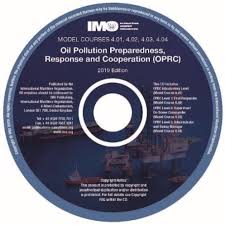
Course Overview
Training Course on IMO Model Training Course on OPRC: Level 1 – First Responders
Introduction
This comprehensive training course is based on the International Maritime Organization (IMO) Model Course on the OPRC Convention Level 1 – First Responders. It equips participants with the fundamental knowledge and practical skills required to respond effectively to marine oil pollution incidents. The course integrates emergency response techniques, environmental safety protocols, and oil spill containment measures, aligning with IMO standards and international best practices.
Designed for individuals and teams responsible for first response actions, this training emphasizes real-time decision-making, risk assessment, and pollution mitigation strategies. Participants will learn how to deploy equipment, ensure personal safety, and support coordinated responses under national contingency plans. The course utilizes an engaging interactive learning environment with scenario-based training and multimedia-enhanced modules.
Course Duration
5 days
Course Objectives
- Understand the OPRC Convention requirements for first responders.
- Describe the legal and regulatory framework for marine pollution response.
- Identify types of marine oil spills and environmental impact.
- Apply incident command system (ICS) principles in spill response.
- Demonstrate PPE use and responder safety protocols.
- Operate oil spill response equipment effectively.
- Execute containment, recovery, and disposal procedures.
- Monitor and assess spill trajectory and weathering behavior.
- Communicate within a multi-agency emergency response team.
- Conduct site hazard assessments and risk analysis.
- Engage in practical spill response simulations.
- Support the national oil spill contingency plan (NOSCP) framework.
- Build readiness for rapid deployment and first response coordination.
Organizational Benefits
- Enhanced capacity in emergency preparedness and response
- Improved compliance with IMO and national environmental regulations
- Reduced environmental and reputational risk from oil spill incidents
- Strengthened internal safety culture and operational resilience
- Increased workforce confidence in field response operations
Target Participants
- Port and harbor authorities
- Environmental protection officers
- Oil terminal operators
- Shipping and maritime personnel
- First response emergency teams
- Marine safety inspectors
- Coast Guard and Navy responders
- Local disaster management units
Course Outline
Module 1: Introduction to the OPRC Convention
- Overview of IMO and OPRC mandates
- Purpose and scope of Level 1 training
- First responder responsibilities
- Environmental implications of oil spills
- Introduction to spill incident classification
Module 2: Legal and Organizational Framework
- International and national regulations
- Roles of agencies in spill response
- Incident command system (ICS) structure
- Legal liabilities and reporting procedures
- Coordination with international partners
Module 3: Spill Dynamics and Risk Assessment
- Types of oil and spill behavior
- Trajectory modeling and environmental fate
- Site hazard identification
- Risk assessment tools and matrices
- Case studies on historical spills
Module 4: PPE and Safety Protocols
- Selection and use of PPE
- Decontamination procedures
- Responder health and safety practices
- Safe handling of hazardous substances
- Emergency evacuation protocols
Module 5: Equipment and Deployment Techniques
- Introduction to response equipment
- Containment boom operations
- Skimmers and absorbents usage
- Field maintenance and deployment drills
- Equipment storage and transport
Module 6: Spill Containment and Recovery
- Strategic containment planning
- Recovery and cleanup techniques
- Onshore and offshore recovery tactics
- Waste management and disposal
- Restoration and post-spill assessment
Module 7: Communication and Coordination
- Incident reporting systems
- Public and stakeholder communication
- Coordination with other agencies
- Recordkeeping and documentation
- Media engagement during spill events
Module 8: Practical Exercises and Simulation
- Field-based spill response drills
- Scenario-based team coordination
- Real-time incident command simulations
- Evaluation of response effectiveness
- Final assessment and debrief
Training Methodology
- Instructor-led sessions with certified maritime trainers
- Hands-on simulations using real equipment
- Case studies and group discussions
- Multimedia presentations and virtual walkthroughs
- Knowledge checks and final competency evaluation
Register as a group from 3 participants for a Discount
Send us an email: info@datastatresearch.org or call +254724527104
Certification
Upon successful completion of this training, participants will be issued with a globally- recognized certificate.
Tailor-Made Course
We also offer tailor-made courses based on your needs.
Key Notes
a. The participant must be conversant with English.
b. Upon completion of training the participant will be issued with an Authorized Training Certificate
c. Course duration is flexible and the contents can be modified to fit any number of days.
d. The course fee includes facilitation training materials, 2 coffee breaks, buffet lunch and A Certificate upon successful completion of Training.
e. One-year post-training support Consultation and Coaching provided after the course.
f. Payment should be done at least a week before commence of the training, to DATASTAT CONSULTANCY LTD account, as indicated in the invoice so as to enable us prepare better for you.