Training Course on Implementing AI for Automated Irrigation Scheduling
Training Course on Implementing AI for Automated Irrigation Scheduling is designed to equip professionals and stakeholders with the skills and knowledge to implement AI-powered smart irrigation systems, ensuring water efficiency and climate-resilient farming.
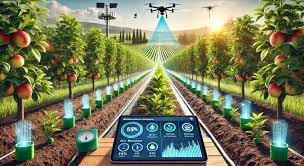
Course Overview
Training Course on Implementing AI for Automated Irrigation Scheduling
Introduction
The agricultural sector is rapidly evolving with the integration of Artificial Intelligence (AI) to meet the rising demands for sustainable water resource management. Among the transformative applications, AI-based automated irrigation scheduling stands out as a groundbreaking solution to optimize water use, increase crop yield, and reduce operational costs. Training Course on Implementing AI for Automated Irrigation Scheduling is designed to equip professionals and stakeholders with the skills and knowledge to implement AI-powered smart irrigation systems, ensuring water efficiency and climate-resilient farming. Leveraging real-time data, machine learning algorithms, and IoT-based sensing technologies, participants will learn to design, deploy, and monitor systems that make data-driven irrigation decisions.
This course emphasizes precision agriculture, predictive analytics, sensor integration, and sustainability in farming practices. It explores global case studies and provides hands-on training to simulate real-world scenarios. Participants will gain insights into AI irrigation software platforms, decision support systems, and cloud-based automation to enhance productivity and resource optimization. With a focus on agricultural innovation, digital farming, and climate-smart irrigation, the course is tailored for those aiming to revolutionize their agricultural practices through cutting-edge technology.
Course Objectives
- Understand the fundamentals of AI in precision agriculture.
- Learn how AI improves water use efficiency in irrigation.
- Identify and integrate key IoT sensors in smart irrigation systems.
- Analyze crop water needs using machine learning models.
- Develop custom AI algorithms for automated irrigation.
- Configure cloud-based irrigation management systems.
- Use data analytics for predictive irrigation scheduling.
- Monitor and control irrigation remotely via mobile and web interfaces.
- Explore climate-smart agriculture techniques using AI tools.
- Evaluate cost-benefit impacts of automated irrigation.
- Apply AI to drought-resilient and water-scarce farming regions.
- Understand ethical considerations and data privacy in AI agriculture.
- Review real-world case studies of successful AI irrigation implementations.
Target Audiences
- Agronomists and agricultural consultants
- Farm owners and managers
- Agricultural extension officers
- Smart agriculture tech startups
- Government and NGO agricultural officers
- Water resource managers
- Researchers and academic professionals
- ICT professionals in agritech
Course Duration: 10 days
Course Modules
Module 1: Introduction to AI in Agriculture
- Understanding AI and its role in modern farming
- Overview of smart agriculture technologies
- Key benefits of AI in irrigation
- Evolution of automated irrigation systems
- Limitations and opportunities in current irrigation models
- Case Study: AI adoption in Israel's citrus orchards
Module 2: Principles of Irrigation Scheduling
- Irrigation scheduling basics
- Factors affecting irrigation frequency and volume
- Soil-water-plant relationships
- Evapotranspiration models
- Manual vs automated scheduling
- Case Study: Traditional vs AI irrigation in India’s rice fields
Module 3: Machine Learning for Crop Water Prediction
- Data sources for crop modeling
- Training predictive ML models
- Model validation and performance metrics
- Tools: Python, TensorFlow, Scikit-learn
- Deployment pipelines for irrigation models
- Case Study: Predicting maize irrigation needs in Kenya using ML
Module 4: IoT Sensors and Field Data Collection
- Sensor types (moisture, temperature, humidity)
- Integrating sensors with AI systems
- Network and communication protocols
- Real-time vs batch data collection
- Sensor calibration and maintenance
- Case Study: IoT-enabled vineyards in California
Module 5: AI-Powered Irrigation Platforms
- Overview of commercial AI irrigation software
- Platform configuration and customization
- Mobile and web interface features
- Alerts and automation triggers
- Data security and user management
- Case Study: Open source vs proprietary platforms in Morocco
Module 6: Cloud and Edge Computing in Irrigation
- Introduction to cloud and edge computing
- Comparing processing architectures
- Data storage, backup, and scalability
- Real-time decision-making at the edge
- Cost and performance considerations
- Case Study: Edge AI for smallholder farms in Uganda
Module 7: Climate-Smart Irrigation and Sustainability
- Impacts of climate change on water use
- AI models for drought prediction
- Seasonal adjustment algorithms
- Renewable energy integration
- Minimizing runoff and over-irrigation
- Case Study: AI irrigation in semi-arid zones of Australia
Module 8: GIS and Remote Sensing Integration
- Basics of GIS in agriculture
- Satellite data for irrigation planning
- Image analysis and classification
- Linking GIS with AI platforms
- Zonal irrigation strategies
- Case Study: Remote-sensed scheduling in Brazil's sugarcane farms
Module 9: System Design and Deployment
- Assessing farm needs and capacity
- Selecting appropriate technology stacks
- Hardware setup and software integration
- Pilot testing and rollout
- Monitoring and troubleshooting
- Case Study: Smart irrigation rollout in Egypt’s desert farming
Module 10: Cost-Benefit Analysis and ROI
- Initial investment and operating costs
- Labor and water savings
- ROI calculators and economic models
- Impact on yield and revenue
- Government incentives and financing
- Case Study: ROI analysis of AI irrigation in Spain’s olive sector
Module 11: Ethics, Data Privacy, and Compliance
- Ethical AI use in agriculture
- Data collection policies and consent
- Regulatory frameworks and standards
- Open data vs proprietary data models
- Risk mitigation strategies
- Case Study: Data governance in South African agritech
Module 12: Mobile Apps and User Interfaces
- UI/UX design for farmers
- Offline functionality and syncing
- SMS-based and voice-enabled platforms
- User training and adoption strategies
- Accessibility and language localization
- Case Study: Mobile app deployment in Tanzania
Module 13: Maintenance and Troubleshooting
- Routine system checks
- Remote diagnostics
- Firmware and software updates
- Handling system failures
- Support structures and helplines
- Case Study: Maintenance logs from smart farms in Peru
Module 14: Policy and Institutional Support
- Government roles and subsidies
- Public-private partnerships
- AI standards in agriculture
- Role of cooperatives and NGOs
- Scaling through institutional support
- Case Study: Rwanda’s national smart irrigation policy
Module 15: Capstone Project and Field Simulation
- Project briefing and group selection
- Simulation exercises using demo kits
- Scenario-based irrigation solutions
- Field report and presentations
- Peer and expert evaluations
- Case Study: Designing a scalable model for Ethiopia’s wheat belt
Training Methodology
- Interactive lectures with multimedia presentations
- Hands-on training using AI platforms and sensors
- Field simulations and group exercises
- Guest lectures from industry practitioners
- Case study analysis to reinforce real-world learning
- Capstone project to demonstrate applied skills
Register as a group from 3 participants for a Discount
Send us an email: info@datastatresearch.org or call +254724527104
Certification
Upon successful completion of this training, participants will be issued with a globally- recognized certificate.
Tailor-Made Course
We also offer tailor-made courses based on your needs.
Key Notes
a. The participant must be conversant with English.
b. Upon completion of training the participant will be issued with an Authorized Training Certificate
c. Course duration is flexible and the contents can be modified to fit any number of days.
d. The course fee includes facilitation training materials, 2 coffee breaks, buffet lunch and A Certificate upon successful completion of Training.
e. One-year post-training support Consultation and Coaching provided after the course.
f. Payment should be done at least a week before commence of the training, to DATASTAT CONSULTANCY LTD account, as indicated in the invoice so as to enable us prepare better for you.