Training Course on IoT (Internet of Things) Deployment in Smart Farming Systems
Training Course on IoT (Internet of Things) Deployment in Smart Farming Systems aims to equip participants with essential skills to deploy IoT technologies effectively in agriculture.
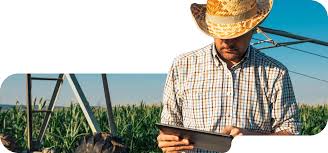
Course Overview
Training Course on IoT (Internet of Things) Deployment in Smart Farming Systems
Introduction
The integration of IoT in smart farming systems is revolutionizing the agricultural sector by promoting precision agriculture, increasing productivity, and reducing resource wastage. Training Course on IoT (Internet of Things) Deployment in Smart Farming Systems aims to equip participants with essential skills to deploy IoT technologies effectively in agriculture. From smart sensors and drones to real-time data analytics, the course emphasizes hands-on experience, technical knowledge, and strategic implementation frameworks. By mastering IoT-based solutions, participants will be able to contribute toward sustainable farming, improved agronomic decision-making, and enhanced crop yield efficiency.
With global food demand rising and environmental sustainability becoming a priority, IoT in agriculture is no longer a futuristic concept but a present-day necessity. This course focuses on real-world applications, enabling learners to build, manage, and optimize smart farming infrastructures using automated systems, cloud platforms, and AI-enabled tools. Whether you're a farmer, tech developer, or policymaker, this course will empower you with data-driven farming techniques essential for the future of agritech.
Course Objectives
- Understand the fundamentals of IoT in smart farming.
- Analyze real-time data collection and analytics techniques.
- Explore the use of smart sensors and devices in agriculture.
- Apply precision farming technologies for increased crop yield.
- Design and implement IoT-enabled irrigation systems.
- Evaluate data security and cloud integration in smart farms.
- Learn about wireless sensor networks (WSN) in farming applications.
- Develop predictive models using IoT data and AI tools.
- Optimize farm operations using remote monitoring systems.
- Integrate livestock tracking and health monitoring using IoT.
- Understand supply chain optimization through IoT tools.
- Assess the economic feasibility of IoT systems in agriculture.
- Create sustainable models for climate-smart agriculture using IoT.
Target Audience
- Smart farmers and agricultural entrepreneurs
- Agronomists and farm managers
- Agri-tech and IoT solution developers
- Agricultural researchers and scholars
- Government policymakers and extension officers
- Technology integration specialists
- Environmental and sustainability consultants
- Students in agriculture and technology disciplines
Course Duration: 10 days
Course Modules
Module 1: Introduction to IoT and Smart Farming
- Definition and scope of IoT in agriculture
- Evolution of smart farming systems
- Benefits of IoT applications in crop production
- Challenges in IoT implementation
- Introduction to key IoT hardware/software
- Case Study: Global overview of IoT adoption in rice farming
Module 2: IoT Architecture for Agriculture
- IoT system layers and components
- Device connectivity and communication protocols
- Role of edge and cloud computing
- Data acquisition and processing workflow
- Integration with farm machinery
- Case Study: IoT architecture for a dairy smart farm in the Netherlands
Module 3: Wireless Sensor Networks (WSNs)
- Types of sensors used in smart farming
- Sensor placement strategies
- Data collection and transmission
- Energy-efficient networking
- LoRaWAN, Zigbee, NB-IoT protocols
- Case Study: Soil moisture WSNs in Kenyan maize farms
Module 4: Smart Irrigation Systems
- IoT-enabled irrigation controllers
- Weather-based watering schedules
- Water conservation techniques
- Data-driven irrigation planning
- Automated system integration
- Case Study: Drip irrigation management using IoT in India
Module 5: Climate Monitoring and Forecasting
- Weather sensors and climate data stations
- Predictive analytics for weather modeling
- Real-time alerts and system response
- Reducing climate-related crop loss
- Tools for microclimate analysis
- Case Study: IoT weather monitoring for vineyards in France
Module 6: Crop Monitoring and Yield Estimation
- Remote sensing tools and NDVI sensors
- Crop health monitoring algorithms
- Early detection of diseases and pests
- Visual analytics using drones and cameras
- AI-driven yield prediction
- Case Study: Crop yield estimation using IoT in wheat fields (Canada)
Module 7: Livestock Monitoring and Management
- Smart collars and GPS tracking
- IoT-based health tracking systems
- Feeding and movement monitoring
- Reproductive and behavioral analysis
- Livestock data analytics platforms
- Case Study: IoT for cattle health monitoring in Brazil
Module 8: Smart Greenhouse Systems
- Temperature and humidity sensors
- Automated ventilation and lighting
- CO2 level regulation
- IoT-controlled fertigation
- Centralized dashboard controls
- Case Study: Smart greenhouse deployment in Israel
Module 9: AI and Machine Learning in Smart Farming
- Introduction to AI/ML in agriculture
- Training models using IoT data
- Anomaly detection in crop and equipment
- AI-based decision support systems
- Real-time AI alert systems
- Case Study: Machine learning for pest control prediction in cornfields
Module 10: IoT in Agricultural Supply Chain Management
- Farm-to-market traceability systems
- Real-time inventory and logistics tracking
- RFID and blockchain for transparency
- Demand forecasting and cold chain management
- Reducing post-harvest losses
- Case Study: IoT-enhanced coffee supply chain in Colombia
Module 11: Data Analytics and Cloud Platforms
- Data storage and cloud integration
- Analytics dashboards and visualization tools
- Insights from big data in farming
- Cloud-based farm management systems
- Role of APIs in smart farming
- Case Study: Google Cloud use in banana plantation analytics
Module 12: Farm Automation and Robotics
- Role of robots and drones in fieldwork
- IoT integration with farm equipment
- Autonomous tractors and weeding machines
- Real-time navigation and obstacle detection
- Operational cost reduction via automation
- Case Study: IoT-driven autonomous robot in strawberry farming (Japan)
Module 13: Security and Privacy in IoT Farms
- IoT vulnerabilities and risks
- Data protection strategies
- Secure communication protocols
- Role of blockchain in securing IoT
- Cybersecurity frameworks in agri-tech
- Case Study: Mitigating cyber threats in smart poultry farms (USA)
Module 14: Economic Feasibility and ROI Analysis
- Cost-benefit analysis of IoT systems
- Long-term productivity benefits
- Funding and investment models
- Evaluating operational efficiencies
- ROI calculation frameworks
- Case Study: Economic impact assessment of IoT in tomato farming (Spain)
Module 15: Policy, Ethics, and Sustainability
- Government regulations on agri-IoT
- Ethical concerns and digital equity
- Environmental sustainability through IoT
- Policy frameworks and incentives
- Social acceptance and awareness campaigns
- Case Study: National IoT policy impact on smart farming in South Korea
Training Methodology
- Hands-on training with IoT kits and devices
- Live demonstrations and simulations
- Interactive lectures and expert sessions
- Group discussions and peer learning
- Case study analysis and field-based assignments
- Capstone project on smart farm IoT system design
Register as a group from 3 participants for a Discount
Send us an email: info@datastatresearch.org or call +254724527104
Certification
Upon successful completion of this training, participants will be issued with a globally- recognized certificate.
Tailor-Made Course
We also offer tailor-made courses based on your needs.
Key Notes
a. The participant must be conversant with English.
b. Upon completion of training the participant will be issued with an Authorized Training Certificate
c. Course duration is flexible and the contents can be modified to fit any number of days.
d. The course fee includes facilitation training materials, 2 coffee breaks, buffet lunch and A Certificate upon successful completion of Training.
e. One-year post-training support Consultation and Coaching provided after the course.
f. Payment should be done at least a week before commence of the training, to DATASTAT CONSULTANCY LTD account, as indicated in the invoice so as to enable us prepare better for you.