Training Course on Leadership Coaching and Mentoring in Library Settings
Training Course on Leadership Coaching and Mentoring in Library Settings is specifically designed to empower library professionals with the essential skills to cultivate high-performing cultures, foster talent development, and drive organizational excellence
Skills Covered
Course Overview
Training Course on Leadership Coaching and Mentoring in Library Settings
Introduction
The modern library landscape is rapidly evolving, demanding dynamic leadership and adaptive teams to navigate complex challenges, embrace innovation, and deliver exceptional user experiences. Training Course on Leadership Coaching and Mentoring in Library Settings is specifically designed to empower library professionals with the essential skills to cultivate high-performing cultures, foster talent development, and drive organizational excellence. By mastering the art of coaching for performance and establishing robust mentoring programs, participants will unlock their potential to lead with impact, inspire their colleagues, and shape the future of information services in an increasingly digital and interconnected world.
In an era defined by digital transformation, community engagement, and the critical need for information literacy, libraries require leaders who can not only manage operations but also inspire growth, foster collaboration, and champion change. This program delves into cutting-edge methodologies and best practices in leadership development, equipping participants with actionable strategies to implement effective coaching conversations and establish impactful mentoring relationships. We aim to cultivate a generation of transformational library leaders who can empower their teams, enhance service delivery, and ensure the continued relevance and vitality of libraries as indispensable community hubs.
Course Duration
10 days
Couirse Objectives
- Develop advanced leadership styles to inspire and guide library teams through periods of digital disruption and organizational change.
- Acquire proficiency in various coaching models and techniques to enhance individual and team performance, boost productivity, and foster accountability.
- Learn to establish, manage, and sustain impactful library mentoring initiatives for succession planning and talent retention.
- Develop self-awareness, empathy, and social skills crucial for building strong relationships and fostering a positive work culture.
- Improve communication skills for effective feedback, conflict resolution, and fostering a culture of psychological safety within library teams.
- Integrate DEI principles into coaching and mentoring practices to foster inclusive environments and promote equitable leadership opportunities.
- Empower teams to embrace experimentation, adapt to new technologies, and foster a mindset of continuous improvement in library services.
- Equip participants with strategies to effectively lead teams through organizational restructuring and technological shifts with minimal resistance.
- Learn techniques for team building, fostering collaboration, and leveraging collective strengths to achieve strategic objectives.
- Utilize data analytics and performance metrics to inform coaching decisions and measure the impact of mentoring initiatives on organizational outcomes.
- Guide library staff in identifying career goals and developing personalized professional development plans through coaching and mentorship.
- Empower leaders to effectively advocate for library value and build strong partnerships with community stakeholders.
- Develop strategies for managing stress, building resilience, and maintaining well-being in demanding leadership roles within the information sector.
Organizational Benefits
- Fosters a supportive environment, leading to increased job satisfaction and reduced turnover among library staff.
- Empowered and well-developed staff contribute to more efficient operations and innovative library services.
- Identifies and develops future leaders from within, ensuring continuity and stability.
- Promotes a growth mindset throughout the organization, adapting to industry changes.
- Builds teams capable of responding effectively to evolving user needs and technological advancements.
- Strengthens internal communication and teamwork, leading to a more harmonious and productive workplace.
- Demonstrates a commitment to professional excellence and staff development, attracting top talent.
- Effective leadership leads to more efficient allocation and use of library resources.
Target Audience
- Current Library Managers & Directors.
- Aspiring Library Leaders.
- Department Heads & Team Leads.
- Human Resources Professionals in Libraries.
- Library School Faculty & Students
- Librarians and Information Professionals
- New Librarians
- Experienced Librarians
Course Outline
Module 1: Foundations of Leadership in Library Settings
- Defining Effective Leadership in the 21st-century library.
- Exploring contemporary leadership theories and their application to information organizations.
- Understanding the unique challenges and opportunities for leaders in academic, public, and special libraries.
- Developing a personal leadership philosophy and vision.
- Case Study: Analyzing a successful library’s transition to a user-centered model, highlighting the leadership principles involved.
Module 2: The Art of Coaching: Principles and Core Competencies
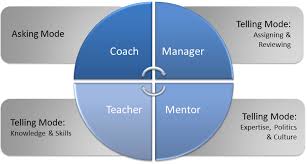
- Distinguishing between coaching, mentoring, teaching, and counseling.
- Key coaching skills: active listening, powerful questioning, and effective feedback.
- Establishing coaching agreements and building trust.
- Ethical considerations and best practices in leadership coaching.
- Case Study: A library director uses coaching to help a hesitant staff member take on a new, high-visibility digital project, resulting in project success and staff growth.
Module 3: Mentoring in Practice: Building Strong Relationships
- Understanding the roles and responsibilities of mentors and mentees.
- Strategies for establishing impactful mentor-mentee relationships.
- Addressing common challenges in mentoring relationships.
- Developing effective mentoring plans and goal setting.
- Case Study: A new librarian is mentored by a seasoned professional, leading to successful navigation of tenure requirements and integration into the library culture.
Module 4: Emotional Intelligence for Leaders
- Components of Emotional Intelligence (EQ): self-awareness, self-regulation, motivation, empathy, social skills.
- Techniques for enhancing EQ in leadership.
- Applying EQ to conflict resolution and team dynamics.
- The impact of EQ on organizational culture and staff well-being.
- Case Study: A library manager uses emotional intelligence to de-escalate a tense team conflict, leading to improved communication and a more cohesive team.
Module 5: Strategic Communication and Feedback
- Principles of effective communication in coaching and mentoring.
- Delivering constructive and actionable feedback.
- Techniques for difficult conversations and performance management.
- Fostering a culture of open communication and transparency.
- Case Study: A supervisor provides specific, actionable feedback to a staff member struggling with a public service skill, leading to measurable improvement and increased confidence.
Module 6: Leading Through Change and Innovation
- Understanding the dynamics of organizational change in libraries.
- Strategies for leading and inspiring teams through periods of digital transformation.
- Fostering a mindset of innovation and adaptability.
- Overcoming resistance to change and building buy-in.
- Case Study: A library successfully implements a new integrated library system (ILS) by employing strong change leadership, effective communication, and staff training.
Module 7: Building High-Performing Library Teams
- Characteristics of high-performing teams.
- Strategies for team formation, development, and motivation.
- Delegation, empowerment, and fostering team autonomy.
- Addressing team dysfunction and promoting collaboration.
- Case Study: A library unit transforms from low morale to a high-achieving team through a leader’s focus on clear roles, shared goals, and collaborative problem-solving.
Module 8: Diversity, Equity, and Inclusion (DEI) in Leadership
- Understanding the importance of DEI in library leadership and services.
- Strategies for fostering an inclusive work environment.
- Addressing bias and promoting equitable opportunities.
- Leading diverse teams and leveraging unique perspectives.
- Case Study: A library implements a successful diversity initiative, led by a conscious leader, resulting in a more representative workforce and equitable service delivery.
Module 9: Succession Planning and Talent Development
- The importance of succession planning for organizational sustainability.
- Identifying and nurturing emerging leaders within the library.
- Creating structured talent development programs.
- Strategies for retaining key staff and valuable expertise.
- Case Study: A library develops a formal succession plan for critical leadership roles, ensuring a smooth transition during retirements and promotions.
Module 10: Coaching for Career Development
- Guiding mentees in identifying career aspirations and goals.
- Developing personalized professional development plans.
- Exploring professional networking and growth opportunities.
- Overcoming career plateaus and fostering continuous learning.
- Case Study: A librarian, through coaching, identifies a passion for data analysis and is guided to pursue relevant training, leading to a new, impactful role within the library.
Module 11: Measuring Impact: Coaching and Mentoring ROI
- Defining key performance indicators (KPIs) for coaching and mentoring programs.
- Methods for evaluating the effectiveness of leadership development initiatives.
- Demonstrating the Return on Investment (ROI) of coaching and mentoring.
- Using data to refine and improve programs.
- Case Study: A library tracks the impact of its mentoring program on new employee retention and promotion rates, demonstrating a tangible return on investment.
Module 12: Ethical Leadership and Professional Standards
- Upholding ethical standards in leadership, coaching, and mentoring.
- Navigating confidentiality and professional boundaries.
- Addressing ethical dilemmas and conflicts of interest.
- The role of professional associations and codes of conduct.
- Case Study: A library leader navigates a sensitive ethical situation involving staff conduct with integrity and adherence to library policies, maintaining trust and professionalism.
Module 13: Self-Leadership and Resilience
- Developing self-awareness and personal leadership strengths.
- Strategies for stress management and preventing burnout.
- Building personal resilience in demanding leadership roles.
- Maintaining work-life balance and well-being.
- Case Study: A library director implements personal strategies for resilience and models healthy work-life balance, positively impacting the team's well-being.
Module 14: Advanced Coaching Techniques & Models
- Exploring advanced coaching models (e.g., GROW, CLEAR, Solution-Focused Coaching).
- Group coaching methodologies and facilitation.
- Peer coaching circles and their benefits.
- Coaching for transformational change at individual and organizational levels.
- Case Study: A group coaching program helps a cohort of emerging leaders develop shared strategies for advocating for library resources, leading to increased funding.
Module 15: Future-Proofing Library Leadership
- Anticipating future trends in librarianship and information science.
- Adapting leadership styles for an increasingly hybrid workforce.
- Leveraging AI and emerging technologies in leadership.
- Building a legacy of innovative and impactful leadership.
- Case Study: A library embraces AI tools for collection development, led by a visionary director who champions continuous learning and technology integration among staff.
Training Methodology
This course will employ a dynamic and interactive training methodology designed for maximum engagement and practical application, including:
- Interactive Workshops: Hands-on activities, group discussions, and collaborative problem-solving.
- Experiential Learning: Role-playing scenarios, simulations, and real-world case studies.
- Expert-Led Sessions: Presentations and insights from seasoned library leaders and certified coaches.
- Peer Coaching & Mentoring Sessions: Structured opportunities for participants to practice skills and receive peer feedback.
- Self-Assessments & Reflection Exercises: Tools for personal insight and development planning.
- Action Planning: Participants will develop personalized action plans for applying learned concepts in their library settings.
- Resource Kits: Comprehensive handouts, templates, recommended readings, and digital resources.
- Post-Training Support: Optional follow-up webinars or community of practice for continued learning and networking.
Register as a group from 3 participants for a Discount
Send us an email: info@datastatresearch.org or call +254724527104
Certification
Upon successful completion of this training, participants will be issued with a globally- recognized certificate.
Tailor-Made Course
We also offer tailor-made courses based on your needs.
Key Notes
a. The participant must be conversant with English.
b. Upon completion of training the participant will be issued with an Authorized Training Certificate
c. Course duratio