Training Course on Management of Micro Finance
Training Course on Management of Micro Finance is designed to empower professionals with the ability to implement effective risk management in microfinance and ensure the long-term sustainability of their organizations.
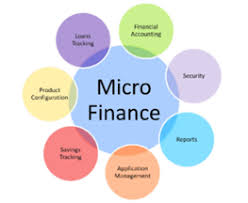
Course Overview
Training Course on Management of Micro Finance
Introduction
In today's dynamic financial landscape, mastering microfinance management is crucial for fostering sustainable economic growth and empowering underserved communities. This comprehensive training course delves into the intricate workings of inclusive finance, equipping participants with the strategic tools and practical knowledge needed to navigate the challenges and opportunities within the sector. By focusing on financial inclusion strategies, we aim to cultivate a new generation of microfinance leaders capable of driving impactful change. This program provides in-depth exploration of core principles and emerging trends, ensuring participants are well-versed in the latest advancements in microcredit management and mobile financial services.
Training Course on Management of Micro Finance is designed to empower professionals with the ability to implement effective risk management in microfinance and ensure the long-term sustainability of their organizations. Through a blend of theoretical frameworks and real-world case studies, participants will learn how to optimize operational efficiency, enhance portfolio quality, and leverage digital microfinance solutions. We emphasize the importance of ethical practices and social impact, ensuring that participants understand how to balance financial performance with the mission of poverty alleviation and community development. This training builds proficiency in microfinance portfolio management, allowing organizations to expand their reach and impact.
Participants will gain hands-on experience in developing and implementing robust microfinance lending strategies, focusing on innovative approaches to client acquisition and retention. The program also addresses the critical aspects of microfinance impact assessment, enabling organizations to measure and demonstrate their social and economic contributions. By fostering a deep understanding of microfinance best practices, this course aims to elevate the standards of the industry and promote responsible financial services for the poor.
Course Duration
10 days
Course Objectives
- Understand the fundamental principles of microfinance management and its role in poverty alleviation.
- Develop proficiency in microcredit lending strategies and portfolio management.
- Implement effective risk management in microfinance to ensure organizational sustainability.
- Leverage digital microfinance solutions and mobile financial services for enhanced outreach.
- Apply financial inclusion strategies to expand access to financial services for underserved populations.
- Master microfinance portfolio management techniques for optimal performance.
- Conduct comprehensive microfinance impact assessment to measure social and economic outcomes.
- Develop and implement robust microfinance lending strategies tailored to diverse client needs.
- Optimize operational efficiency through process improvement and technology integration.
- Understand and apply microfinance best practices and ethical standards.
- Explore the evolving landscape of inclusive finance and emerging trends.
- Analyze and manage the challenges of microcredit management in various contexts.
- Implement effective mobile financial services to enhance accessibility and efficiency.
Organizational Benefits
- Improved portfolio quality and reduced loan delinquency rates.
- Enhanced operational efficiency and reduced operating costs.
- Increased client retention and acquisition through innovative lending strategies.
- Strengthened risk management frameworks and compliance practices.
- Enhanced organizational reputation and social impact measurement.
Target Participants
- Microfinance Institution (MFI) Managers
- Loan Officers and Credit Analysts
- Financial Inclusion Specialists
- Development Practitioners
- NGO Program Managers
- Entrepreneurs and Small Business Owners
- Policy Makers and Regulators
- Students and Researchers in Development Finance
Course Outline
- Introduction to Microfinance:
- Overview of microfinance principles and history.
- Role of microfinance in poverty alleviation.
- Key stakeholders and regulatory frameworks.
- The social and economic impact of microfinance.
- Ethical considerations in microfinance.
- Microcredit Lending Strategies:
- Client assessment and credit scoring.
- Loan product design and development.
- Group lending vs. individual lending.
- Effective loan disbursement and collection.
- Strategies for client retention.
- Risk Management in Microfinance:
- Identifying and assessing credit, operational, and financial risks.
- Developing risk mitigation strategies.
- Implementing robust internal control systems.
- Compliance with regulatory requirements.
- Crisis management and business continuity planning.
- Digital Microfinance Solutions:
- Mobile banking and digital payment platforms.
- Use of technology for client outreach and loan management.
- Data analytics for portfolio monitoring and risk assessment.
- Cybersecurity and data protection in digital finance.
- Leveraging Fintech for microfinance.
- Financial Inclusion Strategies:
- Expanding access to financial services for underserved populations.
- Developing inclusive financial products and services.
- Addressing barriers to financial inclusion.
- Promoting financial literacy and education.
- Creating sustainable financial ecosystems.
- Microfinance Portfolio Management:
- Portfolio analysis and monitoring.
- Performance indicators and benchmarks.
- Strategies for portfolio diversification.
- Managing portfolio quality and delinquency.
- Portfolio optimization techniques.
- Microfinance Impact Assessment:
- Measuring social and economic impact.
- Developing impact assessment frameworks.
- Data collection and analysis methods.
- Reporting and communicating impact results.
- Using impact data for strategic decision making.
- Operational Efficiency:
- Process optimization and workflow management.
- Technology integration for operational improvement.
- Cost reduction strategies.
- Human resources management and capacity building.
- Performance monitoring and evaluation.
- Legal and Regulatory Frameworks:
- Understanding local and international regulations.
- Compliance requirements and best practices.
- Legal aspects of loan agreements and collateral.
- Consumer protection and data privacy.
- Regulatory reporting and compliance.
- Financial Analysis and Planning:
- Financial statement analysis.
- Budgeting and financial forecasting.
- Profitability and sustainability analysis.
- Fundraising and resource mobilization.
- Managing liquidity and capital adequacy.
- Client Relationship Management:
- Building strong client relationships.
- Customer service and grievance redressal.
- Client segmentation and needs assessment.
- Community engagement and outreach.
- Promoting client empowerment.
- Product Development and Innovation:
- Identifying market needs and opportunities.
- Developing innovative financial products and services.
- Testing and piloting new products.
- Scaling up successful product innovations.
- Adapting products to changing market conditions.
- Governance and Leadership:
- Principles of good governance in MFIs.
- Leadership and strategic management.
- Board roles and responsibilities.
- Ethical leadership and accountability.
- Organizational culture and values.
- Monitoring and Evaluation:
- Developing M&E frameworks.
- Data collection and analysis techniques.
- Performance reporting and feedback.
- Using M&E for continuous improvement.
- Impact evaluation methodologies.
- Emerging Trends in Microfinance:
- Fintech and digital financial services.
- Impact investing and social finance.
- Sustainable microfinance practices.
- Climate finance and microfinance.
- The future of microfinance and inclusive finance.
Training Methodology
- Interactive lectures and discussions.
- Case studies and real-world examples.
- Group exercises and simulations.
- Guest speaker presentations.
- Practical workshops and hands-on activities.
Register as a group from 3 participants for a Discount
Send us an email: info@datastatresearch.org or call +254724527104
Certification
Upon successful completion of this training, participants will be issued with a globally- recognized certificate.
Tailor-Made Course
We also offer tailor-made courses based on your needs.
Key Notes
a. The participant must be conversant with English.
b. Upon completion of training the participant will be issued with an Authorized Training Certificate
c. Course duration is flexible and the contents can be modified to fit any number of days.
d. The course fee includes facilitation training materials, 2 coffee breaks, buffet lunch and A Certificate upon successful completion of Training.
e. One-year post-training support Consultation and Coaching provided after the course.
f. Payment should be done at least a week before commence of the training, to DATASTAT CONSULTANCY LTD account, as indicated in the invoice so as to enable us prepare better for you.