Training Course on Managing Workplace Conflict
Training Course on Managing Workplace Conflict equips professionals, team leaders, and HR specialists with the practical skills and confidence to handle conflicts effectively and constructively.
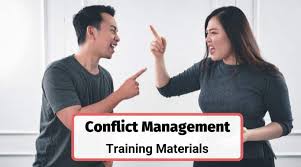
Course Overview
Training Course on Managing Workplace Conflict
Introduction
In today's fast-paced, high-pressure work environments, managing workplace conflict is not just a desirable skill—it's an essential leadership competency. Conflict, if left unchecked, can disrupt productivity, damage team relationships, and lower employee morale. However, when approached with the right strategies and communication tools, conflict can lead to innovation, stronger collaboration, and increased employee engagement. Training Course on Managing Workplace Conflict equips professionals, team leaders, and HR specialists with the practical skills and confidence to handle conflicts effectively and constructively.
Through interactive, research-backed, and scenario-based learning, participants will explore the root causes of conflict, emotional intelligence in conflict resolution, and methods for facilitating difficult conversations. Whether you're facing miscommunication, cultural differences, or competing priorities, this course will empower you to foster a positive work culture by resolving disputes with professionalism and empathy. This is your go-to resource for mastering conflict de-escalation, improving team dynamics, and boosting overall organizational performance.
Course Objectives:
By the end of this course, learners will be able to:
- Identify and analyze common causes of workplace conflict.
- Apply conflict resolution strategies to real-life scenarios.
- Improve emotional intelligence in high-stress situations.
- Facilitate difficult conversations using structured dialogue techniques.
- Foster positive communication in team settings.
- Mediate disputes using interest-based negotiation.
- Recognize the role of diversity and inclusion in conflict.
- Utilize the Thomas-Kilmann Conflict Model effectively.
- Develop active listening and feedback delivery techniques.
- Address toxic behavior and bullying in the workplace.
- Enhance collaborative leadership during conflict situations.
- Implement policies to support psychological safety.
- Create a conflict management framework for your team or organization.
Target Audience
This course is ideal for:
- Team Leaders
- Project Managers
- Human Resources Professionals
- Organizational Development Specialists
- Department Heads
- Executives and Senior Managers
- Business Owners
- New Managers or Supervisors
Course Duration:
· 10 days
Course Modules:
Module 1: Introduction to Conflict in the Workplace
- Understanding conflict and its impact
- Types of workplace conflict
- Constructive vs. destructive conflict
- Recognizing early warning signs
- The cost of unresolved conflict
Module 2: Emotional Intelligence and Self-Awareness
- What is emotional intelligence?
- The role of self-awareness in conflict
- Self-regulation strategies
- Developing empathy
- Managing emotional triggers
Module 3: Communication and Listening Skills
- The power of active listening
- Non-verbal communication cues
- Assertive vs. aggressive communication
- Framing responses effectively
- Giving and receiving feedback
Module 4: Conflict Styles and the Thomas-Kilmann Model
- Overview of the TKI model
- Assessing your conflict style
- Matching styles to situations
- Strengths and weaknesses of each style
- Applying TKI in team settings
Module 5: Identifying Root Causes of Conflict
- Organizational culture and conflict
- Role ambiguity and competition
- Diversity and inclusion factors
- Stress and resource limitations
- Miscommunication and assumptions
Module 6: Facilitating Difficult Conversations
- Preparing for tough discussions
- Setting the tone and agenda
- Staying neutral and objective
- Handling defensiveness
- Following up after conversations
Module 7: Mediation Techniques for Leaders
- The role of a workplace mediator
- Steps in the mediation process
- Creating win-win outcomes
- Maintaining neutrality
- Documenting agreements
Module 8: Building a Culture of Psychological Safety
- What is psychological safety?
- Encouraging open dialogue
- Reducing fear of speaking up
- Supporting mental health at work
- Team building for safety
Module 9: Conflict and Diversity
- Cultural influences on conflict
- Inclusive conflict resolution
- Avoiding bias and microaggressions
- Bridging generational differences
- Promoting cultural sensitivity
Module 10: De-escalation and Crisis Management
- Recognizing escalation patterns
- Techniques to calm tense situations
- Crisis response planning
- Working with security or HR
- After-action reviews
Module 11: Preventing Workplace Bullying and Harassment
- Definitions and examples
- Company policies and procedures
- Reporting mechanisms
- Creating zero-tolerance environments
- Role of bystanders
Module 12: Conflict Management in Remote Teams
- Unique challenges of remote work
- Addressing miscommunication online
- Virtual conflict resolution tools
- Fostering connection and trust
- Building remote team norms
Module 13: Legal and Ethical Considerations
- Employee rights in conflict situations
- Manager responsibilities and boundaries
- Ethical decision-making in disputes
- Confidentiality and documentation
- HR compliance best practices
Module 14: Developing a Conflict Resolution Plan
- Setting goals for conflict management
- Team-based planning strategies
- Customizing plans for departments
- Role assignments and accountability
- Monitoring effectiveness
Module 15: Capstone: Conflict Simulation & Role-Play
- Real-world conflict scenarios
- Role-play with peer feedback
- Applying techniques learned
- Performance self-assessment
- Action planning and final reflections
Training Methodology:
- Interactive instructor-led sessions
- Real-world case studies
- Peer group discussions and activities
- Simulation exercises and role-playing
- Assessments and personalized feedback
Register as a group from 3 participants for a Discount
Send us an email: info@datastatresearch.org or call +254724527104
Certification
Upon successful completion of this training, participants will be issued with a globally- recognized certificate.
Tailor-Made Course
We also offer tailor-made courses based on your needs.
Key Notes
a. The participant must be conversant with English.
b. Upon completion of training the participant will be issued with an Authorized Training Certificate
c. Course duration is flexible and the contents can be modified to fit any number of days.
d. The course fee includes facilitation training materials, 2 coffee breaks, buffet lunch and A Certificate upon successful completion of Training.
e. One-year post-training support Consultation and Coaching provided after the course.
f. Payment should be done at least a week before commence of the training, to DATASTAT CONSULTANCY LTD account, as indicated in the invoice so as to enable us prepare better for you.