Training course on Maternity Protection and Social Benefits
Training Course on Maternity Protection and Social Benefits is meticulously designed to equip with the advanced theoretical insights and intensive practical tools necessary to excel
Skills Covered
Course Overview
Training Course on Maternity Protection and Social Benefits
Introduction
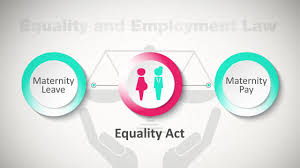
Maternity Protection and Social Benefits is a fundamental human right and a critical component of comprehensive social protection systems, aiming to safeguard the health, well-being, and economic security of pregnant and breastfeeding women, new mothers, and their infants. Inadequate maternity protection can lead to significant health risks for mothers and babies, financial hardship for families, and discrimination in the workplace, undermining gender equality and decent work principles. This specialized field focuses on understanding the international labor standards and national legal frameworks that guarantee maternity protection, and on designing and implementing social security benefits and workplace measures that enable women to combine their reproductive and productive roles without penalty. It recognizes that investing in maternity protection is not only a matter of social justice but also crucial for public health, gender equality, and sustainable development.
Training Course on Maternity Protection and Social Benefits is meticulously designed to equip with the advanced theoretical insights and intensive practical tools necessary to excel in Maternity Protection and Social Benefits. We will delve into the foundational concepts of maternity protection and its multi-dimensional benefits, master the intricacies of designing and implementing various maternity benefit schemes, and explore cutting-edge approaches to financing, workplace adaptations, and anti-discrimination measures. A significant focus will be placed on understanding international labor standards, fostering multi-stakeholder dialogue, ensuring non-discrimination and inclusion (including for informal workers), and navigating the practical challenges of implementing comprehensive maternity protection in diverse labor market and socio-economic contexts. By integrating industry best practices, analyzing real-world complex case studies, and engaging in hands-on policy analysis and simulation exercises, attendees will develop the strategic acumen to confidently champion and implement robust maternity protection, fostering unparalleled health, dignity, and gender equality.
Course Objectives
Upon completion of this course, participants will be able to:
- Analyze the fundamental concepts of maternity protection and its multi-dimensional benefits (health, economic, social).
- Comprehend the key international labor standards (e.g., ILO Conventions on Maternity Protection) and human rights instruments.
- Master the design and implementation of various social benefits for maternity (e.g., cash benefits, medical care).
- Develop expertise in formulating strategies for financing maternity benefits and ensuring their sustainability.
- Formulate strategies for ensuring workplace protection measures (e.g., maternity leave, breastfeeding breaks, non-discrimination).
- Understand the critical role of extending maternity protection to informal workers and vulnerable groups.
- Implement robust approaches to monitoring, evaluation, and data collection for maternity protection.
- Explore key policy, legal, and institutional frameworks for maternity protection.
- Apply methodologies for ensuring gender-responsive and non-discriminatory approaches in implementation.
- Develop strategies for fostering multi-stakeholder dialogue and partnerships for comprehensive maternity protection.
- Analyze the challenges and opportunities of implementing maternity protection in diverse contexts.
- Design a preliminary maternity protection policy or program component for a specific country context.
- Examine global best practices and lessons learned from successful maternity protection initiatives.
Target Audience
This course is essential for professionals working on social protection, labor, and gender equality:
- Social Protection Policymakers & Program Managers: Designing and implementing social security systems.
- Labor Market Specialists & Labor Inspectors: Focusing on labor laws and workplace conditions.
- Gender Equality Advocates & Specialists: Working on women's rights and economic empowerment.
- Public Health Professionals: Involved in maternal and child health.
- Legal Professionals: Specializing in labor law, social security law, and human rights.
- Government Officials: From ministries of labor, social welfare, health, and gender.
- UN Agency Representatives: From ILO, UN Women, WHO, UNICEF.
- Civil Society Organizations & Trade Unions: Advocating for workers' rights and maternity protection.
Course Duration: 5 Days
Course Modules
Module 1: Foundations of Maternity Protection and its Benefits
- Define maternity protection: concept, scope (health, economic, social dimensions).
- Discuss the multi-dimensional benefits of maternity protection for mothers, children, families, and society.
- Explore the linkages between maternity protection, public health outcomes, and gender equality.
- Analyze the economic rationale for investing in maternity protection.
- Overview of global statistics on maternity leave and benefits.
Module 2: International Labor Standards on Maternity Protection
- Master the key ILO Conventions on Maternity Protection:
- ILO Convention No. 183 on Maternity Protection (2000).
- ILO Convention No. 103 on Maternity Protection (Revised) (1952).
- ILO Recommendation No. 191 on Maternity Protection.
- Discuss relevant provisions from other international human rights instruments (e.g., CEDAW, ICESCR).
- Analyze the legal obligations of states under these instruments.
- Explore the principles of non-discrimination, health protection, and income security during maternity.
Module 3: Social Benefits for Maternity
- Design and implementation of various social benefits for maternity:
- Maternity Cash Benefits: Income replacement during maternity leave.
- Medical Benefits: Access to antenatal, delivery, and postnatal care.
- Paternity and Parental Benefits: Promoting shared care responsibilities.
- Child Benefits: Supporting the costs of raising children.
- Discuss the eligibility criteria, duration, and level of benefits.
- Explore different financing mechanisms for maternity benefits (e.g., social insurance, public funds).
- Case studies of different maternity benefit schemes.
Module 4: Workplace Protection Measures
- Formulate strategies for ensuring comprehensive workplace protection measures for pregnant and breastfeeding workers.
- Discuss the right to maternity leave (duration, flexibility).
- Exploring breastfeeding breaks and facilities at the workplace.
- Analyzing protection from hazardous work and the right to lighter work.
- Implementing measures to prevent discrimination based on pregnancy or maternity.
- Case studies of workplace adaptations and policies.
Module 5: Extending Maternity Protection to Informal Workers
- Understand the critical challenges of extending maternity protection to informal economy workers.
- Discuss innovative approaches to providing maternity benefits for self-employed, domestic workers, and agricultural workers.
- Exploring adaptive financing mechanisms (e.g., subsidies, flexible contributions).
- Strategies for linking informal workers to health services and cash benefits during maternity.
- Case studies of successful initiatives to extend maternity protection to the informal sector.
Module 6: Monitoring, Evaluation, and Data Collection
- Implement robust approaches to monitoring and evaluation of maternity protection programs.
- Developing indicators to track coverage, benefit adequacy, workplace compliance, and health outcomes.
- Strategies for collecting sex-disaggregated data and qualitative information on women's experiences.
- Using M&E findings to inform policy adjustments and demonstrate impact.
- Analyzing the economic returns on investment in maternity protection.
Module 7: Policy, Legal, and Institutional Frameworks
- Explore key national policies and legal frameworks for maternity protection (labor laws, social security laws, health policies).
- Discuss the importance of a coherent and comprehensive legal framework.
- Strengthening institutional mandates, capacities, and coordination among relevant government agencies.
- Advocating for legal and policy reforms that align with international standards and promote universal coverage.
- Case studies of successful policy reforms in maternity protection.
Module 8: Multi-Stakeholder Dialogue and Partnerships
- Develop strategies for fostering effective multi-stakeholder dialogue and partnerships for comprehensive maternity protection.
- Discuss the critical role of government, employers' organizations, trade unions, and civil society.
- Building strong alliances for advocacy, awareness-raising, and implementation.
- Ensuring the participation of women workers and mothers in policy design.
- Lessons learned from collaborative efforts in advancing maternity protection.
Training Methodology
- Interactive Workshops: Facilitated discussions, group exercises, and problem-solving activities.
- Case Studies: Real-world examples to illustrate successful community-based surveillance practices.
- Role-Playing and Simulations: Practice engaging communities in surveillance activities.
- Expert Presentations: Insights from experienced public health professionals and community leaders.
- Group Projects: Collaborative development of community surveillance plans.
- Action Planning: Development of personalized action plans for implementing community-based surveillance.
- Digital Tools and Resources: Utilization of online platforms for collaboration and learning.
- Peer-to-Peer Learning: Sharing experiences and insights on community engagement.
- Post-Training Support: Access to online forums, mentorship, and continued learning resources.
Register as a group from 3 participants for a Discount
Send us an email: info@datastatresearch.org or call +254724527104
Certification
Upon successful completion of this training, participants will be issued with a globally recognized certificate.
Tailor-Made Course
We also offer tailor-made courses based on your needs.
Key Notes
- Participants must be conversant in English.
- Upon completion of training, participants will receive an Authorized Training Certificate.
- The course duration is flexible and can be modified to fit any number of days.
- Course fee includes facilitation, training materials, 2 coffee breaks, buffet lunch, and a Certificate upon successful completion.
- One-year post-training support, consultation, and coaching provided after the course.
- Payment should be made at least a week before the training commencement to DATASTAT CONSULTANCY LTD account, as indicated in the invoice, to enable better preparation.