Training course on Public Relations and Reputation Management for Real Estate
Training Course on Public Relations and Reputation Management for Real Estate is meticulously designed to equip with the cutting-edge strategies and communication skills necessary.
Skills Covered
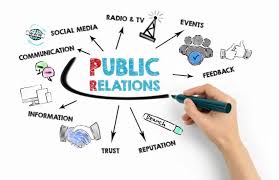
Course Overview
Training Course on Public Relations and Reputation Management for Real Estate
Introduction:
In today's interconnected and highly scrutinized real estate market in Nairobi and globally, strategic Public Relations (PR) and robust Reputation Management are indispensable for building trust, shaping public perception, and safeguarding brand integrity. Training Course on Public Relations and Reputation Management for Real Estate is meticulously designed to equip with the cutting-edge strategies and communication skills necessary. Beyond traditional advertising, this specialized discipline demands a transparent and vigilant mindset, blending strategic storytelling, proactive media engagement, crisis preparedness, and the leveraging of digital monitoring tools to enhance credibility, attract investment, and significantly protect and grow market share.
This program delves into nuanced methodologies for developing comprehensive PR plans tailored to the real estate industry, mastering advanced media relations and content placement techniques, and exploring cutting-edge approaches to online reputation monitoring, social media crisis management, and stakeholder communication. A significant focus will be placed on understanding the interplay of public perception, market trends, and regulatory environments across diverse real estate segments, managing complex reputational challenges, and optimizing communication channels through consistent messaging and ethical practices. By integrating industry best practices, analyzing real-world successful real estate PR campaigns and crisis responses, and engaging in hands-on media release writing, mock interview sessions, and social listening exercises, attendees will develop the strategic acumen to confidently manage their public image, fostering unparalleled brand recognition, investor confidence, and securing their position as indispensable leaders in modern real estate communication.
Course Objectives:
Upon completion of this course, participants will be able to:
- Analyze core principles and strategic responsibilities of PR and reputation management in real estate.
- Master sophisticated techniques for developing comprehensive real estate PR plans.
- Develop nuanced media relations strategies for effective outreach and positive coverage.
- Implement effective crisis communication protocols for real estate specific scenarios.
- Manage complex online reputation monitoring and response strategies.
- Apply robust content creation principles for PR materials (press releases, articles, thought leadership).
- Understand the integration of PR with overall real estate marketing and branding efforts.
- Leverage social media platforms for reputation building and direct public engagement.
- Optimize stakeholder communication to build trust and manage expectations.
- Formulate specialized PR strategies for diverse property types, development projects, and agent brands.
- Conduct advanced media training and public speaking preparation for real estate spokespersons.
- Navigate challenging situations such as negative media cycles and online criticism.3
- Develop a holistic strategic plan for proactive reputation building and crisis preparedness in real estate.
Target Audience:
This course is designed for real estate professionals seeking advanced skills in Public Relations and Reputation Management:
- Real Estate Marketing & Communications Managers: Aiming to lead PR efforts and manage brand reputation.
- Real Estate Agents and Brokers: Seeking to build personal brand authority and handle public perception.
- Real Estate Developers: Focused on managing project launches, community relations, and corporate reputation.
- Brokerage Owners/Executive Leadership: Responsible for overall company image and crisis response.
- Public Relations Professionals: Looking to specialize in the unique demands of the real estate sector.
- Real Estate Investment Firms: Managing investor relations and public confidence.
- Legal Counsel for Real Estate Firms: Understanding communication aspects of reputational risk.
- Real Estate Consultants: Advising clients on branding, communication, and crisis strategies.
Course Duration: 5 Days
Course Modules:
- Module 1: Foundations of Real Estate Public Relations
- Defining Public Relations (PR) in the context of the real estate industry.
- Understanding the power of reputation and its impact on real estate business.
- Developing a strategic mindset for proactive PR vs. reactive PR.
- Identifying key PR objectives for real estate professionals and businesses.
- Ethical guidelines and best practices in real estate PR.
- Module 2: Strategic PR Planning & Message Development
- Conducting a PR audit to assess current reputation and identify opportunities.
- Developing a comprehensive real estate PR plan: goals, target audiences, key messages.4
- Crafting compelling narratives and messaging for different stakeholders.
- Identifying newsworthy angles in real estate (market trends, unique properties, community impact).5
- Case Study: Developing a PR plan outline for a new mixed-use development project.
- Module 3: Media Relations & Content Placement
- Understanding the media landscape: traditional vs. digital, local vs. national.
- Building and nurturing relationships with key real estate journalists and influencers.6
- Writing effective press releases, media alerts, and pitch letters.
- Strategies for securing positive media coverage and thought leadership opportunities.
- Case Study: Drafting a press release for a significant property sale or community initiative.
- Module 4: Online Reputation Management (ORM)
- Monitoring your online presence: search results, review sites, social media.7
- Strategies for responding to online reviews (positive and negative).
- Managing online forums, blogs, and community discussions related to your brand.
- Techniques for proactive SEO for reputation management (e.g., pushing down negative links).8
- Case Study: Developing a response strategy for a challenging online review on a real estate platform.
- Module 5: Crisis Communication & Preparedness
- Identifying potential crisis scenarios specific to real estate (e.g., construction defects, legal disputes, negative tenant experiences).
- Developing a crisis communication plan: team, protocols, messaging.
- Mastering effective crisis response: timely, transparent, empathetic communication.
- Strategies for managing social media during a crisis.
- Case Study: Creating a crisis communication checklist for a hypothetical property-related incident.
- Module 6: Thought Leadership & Speaker Opportunities
- Establishing real estate professionals as industry experts.
- Developing thought leadership content: articles, white papers, market reports.
- Identifying and securing speaking engagements and panel participations.
- Techniques for media training and effective public speaking.
- Case Study: Preparing a short presentation or interview brief on a current real estate market trend.
- Module 7: Stakeholder Relations & Community Engagement
- Understanding the importance of PR with various stakeholders: clients, investors, employees, community.
- Strategies for community engagement and corporate social responsibility (CSR) in real estate.
- Building strong relationships with local government and regulatory bodies.
- Internal communications for employee advocacy and brand consistency.
- Case Study: Planning a community outreach event for a new real estate development.
- Module 8: Measuring PR Effectiveness & Future Trends
- Metrics for measuring PR success: media mentions, sentiment analysis, website traffic from PR.9
- Utilizing PR monitoring tools and media intelligence platforms.
- Understanding the evolving media landscape: AI in PR, influencer marketing, immersive experiences.
- Developing a long-term reputation management strategy.
- Case Study: Analyzing a set of PR outcomes to determine campaign effectiveness and suggest future improvements.
Training Methodology
- Interactive Workshops: Facilitated discussions, group exercises, and problem-solving activities.
- Case Studies: Real-world examples to illustrate successful community-based surveillance practices.
- Role-Playing and Simulations: Practice engaging communities in surveillance activities.
- Expert Presentations: Insights from experienced public health professionals and community leaders.
- Group Projects: Collaborative development of community surveillance plans.
- Action Planning: Development of personalized action plans for implementing community-based surveillance.
- Digital Tools and Resources: Utilization of online platforms for collaboration and learning.
- Peer-to-Peer Learning: Sharing experiences and insights on community engagement.
- Post-Training Support: Access to online forums, mentorship, and continued learning resources.
Register as a group from 3 participants for a Discount
Send us an email: info@datastatresearch.org or call +254724527104
Certification
Upon successful completion of this training, participants will be issued with a globally recognized certificate.
Tailor-Made Course
We also offer tailor-made courses based on your needs.
Key Notes
- Participants must be conversant in English.
- Upon completion of training, participants will receive an Authorized Training Certificate.
- The course duration is flexible and can be modified to fit any number of days.
- Course fee includes facilitation, training materials, 2 coffee breaks, buffet lunch, and a Certificate upon successful completion.
- One-year post-training support, consultation, and coaching provided after the course.
- Payment should be made at least a week before the training commencement to DATASTAT CONSULTANCY LTD account, as indicated in the invoice, to enable better preparation.