Training course on Responsible Tourism Certifications and Standards
Training Course on Responsible Tourism Certifications and Standards is meticulously designed to equip aspiring and current tourism professionals, destination managers, hospitality leaders, environmental consultants, and policymakers with the advanced theoretical insights and intensive practical tools necessary to excel in Responsible Tourism Certifications and Standards.
Course Overview
Training Course on Responsible Tourism Certifications and Standards
Introduction
In an era where environmental consciousness, social equity, and ethical conduct are paramount, Responsible Tourism Certifications and Standards have emerged as crucial mechanisms for validating and promoting sustainable practices across the global travel industry. These certifications provide a credible framework for businesses, destinations, and organizations to demonstrate their commitment to minimizing negative impacts, maximizing positive contributions, and ensuring long-term sustainability. For consumers, they offer a trustworthy signal, helping them make informed choices that align with their values. Mastering this field involves not only understanding the diverse array of available certifications but also comprehending the rigorous processes of assessment, auditing, and continuous improvement required to achieve and maintain compliance. For tourism professionals, government officials, and entrepreneurs, the ability to navigate this landscape is essential for enhancing reputation, gaining a competitive edge, and genuinely contributing to a more responsible and resilient tourism sector. Failure to engage with these standards can lead to accusations of "greenwashing," missed market opportunities, and a failure to meet growing stakeholder expectations for genuine sustainability.
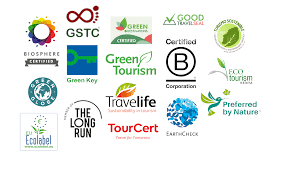
Training Course on Responsible Tourism Certifications and Standards is meticulously designed to equip aspiring and current tourism professionals, destination managers, hospitality leaders, environmental consultants, and policymakers with the advanced theoretical insights and intensive practical tools necessary to excel in Responsible Tourism Certifications and Standards. We will delve into sophisticated methodologies for interpreting global sustainability criteria, master the intricacies of applying for and achieving certifications, and explore cutting-edge approaches to implementing environmental and social management systems. A significant focus will be placed on understanding prominent certifications like GSTC, EarthCheck, Green Globe, and Green Key, as well as the benefits they offer for credibility, market access, and operational efficiency. Furthermore, the course will cover essential aspects of auditing, reporting, stakeholder communication, and fostering a culture of continuous improvement. By integrating international best practices, analyzing real-world certification processes, and engaging in hands-on case studies, attendees will develop the strategic acumen to lead their organizations towards verified sustainability, fostering unparalleled trust and transparency, and securing their position as leaders in the forefront of responsible tourism transformation.
Course Objectives
Upon completion of this course, participants will be able to:
- Analyze the fundamental principles and strategic importance of Responsible Tourism Certifications and Standards.
- Understand the core criteria of leading global sustainable tourism certifications (e.g., GSTC, EarthCheck, Green Globe, Green Key).
- Master the certification process, including application, audit, and continuous improvement.
- Develop effective strategies for implementing environmental management systems to meet certification requirements.
- Formulate policies and practices for social responsibility and community engagement in tourism.
- Comprehend and apply standards for cultural heritage preservation and promotion.
- Understand the economic benefits and market advantages of obtaining responsible tourism certifications.
- Leverage certification for marketing and communication to attract conscious travelers.
- Develop robust internal auditing and monitoring systems for ongoing compliance.
- Navigate the complexities of stakeholder engagement and external verification in the certification process.
- Explore the role of technology and data in supporting sustainable tourism reporting.
- Anticipate and adapt to emerging trends and innovations in responsible tourism assurance.
- Position themselves as credible and knowledgeable leaders in driving verified sustainable tourism practices.
Target Audience
This course is designed for professionals involved in or aspiring to implement and manage sustainable practices in tourism:
- Tourism Business Owners and Managers: Seeking certification for their hotels, tour operators, or attractions.
- Destination Marketing Organization (DMO) Professionals: Leading destination sustainability initiatives.
- Sustainability Managers/Coordinators: In hospitality or tourism companies.
- Environmental Consultants: Advising tourism businesses on sustainability.
- Government Officials: Involved in tourism policy and regulation.
- Quality Assurance Managers: In tourism and hospitality.
- Marketing and Sales Professionals: Promoting responsible tourism products.
- Hospitality and Tourism Students: Focused on sustainability and ethical tourism.
Course Duration: 10 Days
Course Modules
Module 1: Introduction to Responsible Tourism Certifications
- Defining Responsible Tourism and its Importance in the Modern Industry.
- The Role of Certifications and Standards in Validating Sustainability Claims.
- Understanding the Credibility and Benefits of Third-Party Verification.
- Overview of the Global Landscape of Responsible Tourism Certifications.
- Addressing "Greenwashing" and Ensuring Authenticity.
Module 2: The Global Sustainable Tourism Council (GSTC) Criteria
- In-depth Study of the GSTC Criteria: The Global Baseline Standards.
- Four Pillars of GSTC: Sustainable Management, Socioeconomic Impacts, Cultural Impacts, Environmental Impacts.
- Application of GSTC Criteria to Hotels, Tour Operators, and Destinations.
- The GSTC Accreditation and Recognition Programs.
- Case Studies of GSTC-Certified Entities.
Module 3: Leading Certifications for Hospitality (Green Globe & Green Key)
- Green Globe Certification: Scientific Benchmarking and Continuous Improvement.
- Focus Areas: Energy, Water, Waste, CSR, Health & Safety.
- The Green Globe Certification Process and Auditing.
- Green Key: Leading Eco-label for Accommodation and Attractions.
- Green Key Criteria and Benefits for Hotels, Hostels, Campsites, etc.
Module 4: Leading Certifications for Destinations (EarthCheck & Biosphere)
- EarthCheck: Benchmarking and Certification for Destinations and Businesses.
- Scientific Rigor in Environmental and Social Performance.
- The EarthCheck Process and Focus on Data-Driven Improvement.
- Biosphere Responsible Tourism: Standards Aligned with UN SDGs and UNESCO.
- Focus on Holistic Sustainability and Continuous Improvement for Destinations.
Module 5: The Certification Process: Application and Preparation
- Selecting the Right Certification for Your Business/Destination.
- Initial Self-Assessment and Gap Analysis.
- Preparing Required Documentation: Policies, Procedures, Data.
- Engaging Management and Staff in the Certification Journey.
- Utilizing Certification Body Resources and Support.
Module 6: Implementation of Environmental Management Systems
- Developing and Implementing an Environmental Policy.
- Strategies for Reducing Energy Consumption and Carbon Emissions.
- Water Conservation Measures.
- Comprehensive Waste Management and Recycling Programs.
- Protecting Biodiversity and Natural Resources.
Module 7: Implementation of Social and Economic Responsibility
- Fair Labor Practices and Employee Welfare Standards.
- Supporting Local Communities: Employment, Sourcing, Economic Benefits.
- Ensuring Guest Health, Safety, and Accessibility.
- Promoting Ethical Practices and Human Rights.
- Community Engagement and Participation in Tourism Decisions.
Module 8: Cultural Heritage Preservation and Communication
- Standards for Protecting and Promoting Cultural Heritage and Authenticity.
- Respecting Local Customs, Traditions, and Sacred Sites.
- Providing Authentic Cultural Experiences and Interpretation.
- Avoiding Commodification and Exploitation of Culture.
- Engaging Local Artists and Cultural Practitioners.
Module 9: Auditing, Monitoring, and Continuous Improvement
- Understanding the Role of Third-Party Auditors.
- Preparing for On-Site Audits and Documentation Review.
- Addressing Non-Conformities and Developing Corrective Actions.
- Continuous Monitoring of Sustainability Performance.
- The Cycle of Improvement and Recertification.
Module 10: Marketing and Communication of Certification
- Leveraging Certification Logos and Trademarks Effectively.
- Developing Authentic Green Marketing Campaigns.
- Communicating Sustainability Efforts to Consumers and Stakeholders.
- Partnering with OTAs and Tour Operators that Promote Certified Businesses.
- Building a Strong Reputation for Responsible Tourism.
Module 11: Legal, Regulatory, and Policy Context
- Understanding National Tourism Policies Related to Sustainability.
- Compliance with Environmental Regulations and Labor Laws.
- The Role of Government in Promoting and Supporting Certifications.
- Future Legislation and Green Claims Directives (e.g., EU).
- Best Practices in Destination-Level Policy Support for Certified Businesses.
Module 12: Future Trends and Innovations in Certification
- The Impact of Blockchain for Transparency and Traceability in Tourism.
- AI and Big Data for Automated Monitoring and Reporting.
- The Rise of Regenerative Tourism and its Influence on Standards.
- Adapting to Climate Change Mitigation and Adaptation Requirements.
- Harmonization of Standards and Global Recognition.
Training Methodology
- Interactive Workshops: Facilitated discussions, group exercises, and problem-solving activities.
- Case Studies: Real-world examples to illustrate successful community-based surveillance practices.
- Role-Playing and Simulations: Practice engaging communities in surveillance activities.
- Expert Presentations: Insights from experienced public health professionals and community leaders.
- Group Projects: Collaborative development of community surveillance plans.
- Action Planning: Development of personalized action plans for implementing community-based surveillance.
- Digital Tools and Resources: Utilization of online platforms for collaboration and learning.
- Peer-to-Peer Learning: Sharing experiences and insights on community engagement.
- Post-Training Support: Access to online forums, mentorship, and continued learning resources.
Register as a group from 3 participants for a Discount
Send us an email: info@datastatresearch.org or call +254724527104
Certification
Upon successful completion of this training, participants will be issued with a globally recognized certificate.
Tailor-Made Course
We also offer tailor-made courses based on your needs.
Key Notes
- Participants must be conversant in English.
- Upon completion of training, participants will receive an Authorized Training Certificate.
- The course duration is flexible and can be modified to fit any number of days.
- Course fee includes facilitation, training materials, 2 coffee breaks, buffet lunch, and a Certificate upon successful completion.
- One-year post-training support, consultation, and coaching provided after the course.
- Payment should be made at least a week before the training commencement to DATASTAT CONSULTANCY LTD account, as indicated in the invoice, to enable better preparation.