Training Course on Result-Based Management (RBM)
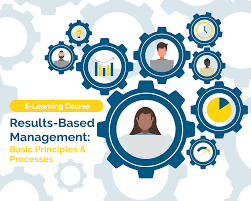
Training Course on Result-Based Management (RBM) is designed to empower individuals and teams to become champions of results-oriented management.
Course Overview
Training Course on Result-Based Management (RBM)
Introduction
In today's dynamic and increasingly accountable environment, organizations across all sectors are recognizing the critical importance of Result-Based Management (RBM). This powerful framework provides a systematic approach to planning, implementing, monitoring, and evaluating initiatives based on clearly defined objectives and measurable results. Mastering RBM principles equips professionals with the skills to enhance organizational effectiveness, improve resource allocation, and ultimately achieve sustainable impact. This comprehensive training course delves into the core concepts of RBM, offering practical tools and techniques to effectively integrate this methodology into your organization's operations. By understanding results frameworks, performance indicators, and evaluation methodologies, participants will gain a strategic advantage in driving meaningful change and demonstrating tangible outcomes to stakeholders.
Training Course on Result-Based Management (RBM) is designed to empower individuals and teams to become champions of results-oriented management. Through interactive sessions, real-world case studies, and practical exercises, participants will learn how to develop robust logic models, establish effective monitoring and evaluation systems, and utilize data to inform decision-making and improve performance. By focusing on impact measurement and accountability, this course fosters a culture of continuous improvement and ensures that efforts are aligned with strategic goals. Participants will leave equipped with the knowledge and skills to implement RBM effectively, leading to greater efficiency, transparency, and ultimately, the achievement of desired results.
Course Duration
10 days
Course Objectives
- Understand the foundational principles of Result-Based Management.
- Develop SMART (Specific, Measurable, Achievable, Relevant, Time-bound) objectives for projects and programs.
- Construct comprehensive results frameworks and logic models.
- Identify and define relevant key performance indicators (KPIs).
- Establish effective performance measurement systems.
- Implement robust monitoring and evaluation (M&E) processes.
- Utilize data analysis for informed decision-making.
- Apply various evaluation methodologies to assess program effectiveness.
- Develop and utilize performance reports for stakeholder communication.
- Integrate risk management within the RBM framework.
- Foster a culture of accountability and learning.
- Apply RBM principles in diverse organizational contexts.
- Enhance organizational effectiveness through result-oriented approaches.
Organizational Benefits
- Improved strategic alignment of activities with organizational goals.
- Enhanced accountability for results at all levels.
- Increased transparency in resource utilization and outcomes.
- Better resource allocation based on performance data.
- Strengthened decision-making through evidence-based insights.
- Enhanced stakeholder engagement through clear communication of results.
- Improved program effectiveness and impact.
- Fostered a culture of continuous improvement and learning.
Target Audience
- Project Managers and Coordinators
- Program Officers and Directors
- Monitoring and Evaluation Specialists
- Strategic Planning Teams
- Government Officials and Policy Makers
- Non-profit Organization Leaders
- Development Professionals
- Anyone responsible for achieving organizational results
Course Outline
Module 1: Introduction to Result-Based Management
- Defining RBM: Core principles and concepts.
- The RBM cycle: Planning, implementation, monitoring, and evaluation.
- Benefits of adopting an RBM approach for organizations.
- Distinguishing RBM from traditional management methods.
- The evolving landscape of performance management.
- Case Study: Introduction of RBM in a government agency leading to improved project oversight.
Module 2: Developing Results Frameworks and Logic Models
- Understanding the purpose and components of a results framework.
- Constructing a logic model: Inputs, activities, outputs, outcomes, and impact.
- Identifying causal linkages and assumptions within the logic model.
- Using different types of logic models for various interventions.
- Participatory approaches to developing results frameworks.
- Case Study: A non-profit organization uses a logic model to design a new health program.
Module 3: Setting SMART Objectives and Indicators
- The importance of clear and measurable objectives.
- Defining and applying the SMART criteria.
- Developing different levels of objectives: Strategic, program, and project.
- Understanding the characteristics of good performance indicators.
- Distinguishing between input, output, outcome, and impact indicators.
- Case Study: A business sets SMART sales targets and key performance indicators.
Module 4: Establishing Performance Measurement Systems
- Designing a comprehensive performance measurement plan.
- Identifying data sources and collection methods.
- Establishing data quality standards and procedures.
- Utilizing technology for data management and analysis.
- Ensuring ethical considerations in data collection and use.
- Case Study: An education program implements a system to track student attendance and performance.
Module 5: Monitoring Processes and Data Collection
- Developing monitoring frameworks and tools.
- Regular data collection and analysis techniques.
- Identifying and addressing monitoring challenges.
- Using monitoring data for adaptive management.
- The role of stakeholder participation in monitoring.
- Case Study: A community development project uses participatory monitoring to track progress.
Module 6: Conducting Effective Evaluations
- Understanding different types of evaluations: Formative, summative, impact.
- Developing evaluation questions and criteria.
- Selecting appropriate evaluation methodologies (qualitative and quantitative).
- Managing the evaluation process and engaging stakeholders.
- Ensuring ethical considerations in evaluation.
- Case Study: An international organization conducts an impact evaluation of its poverty reduction program.
Module 7: Data Analysis and Interpretation for Results
- Basic statistical concepts for analyzing performance data.
- Techniques for qualitative data analysis.
- Interpreting findings and drawing meaningful conclusions.
- Visualizing data for effective communication.
- Using data to identify trends and patterns.
- Case Study: A marketing team analyzes campaign data to optimize future strategies.
Module 8: Performance Reporting and Communication
- Developing clear and concise performance reports.
- Tailoring reports to different audiences.
- Utilizing various communication channels for disseminating results.
- Presenting data effectively through visuals and narratives.
- Promoting transparency and accountability through reporting.
- Case Study: A company prepares an annual performance report for its shareholders.
Module 9: Integrating Risk Management with RBM
- Identifying potential risks that can affect results.
- Assessing the likelihood and impact of identified risks.
- Developing mitigation strategies and contingency plans.
- Monitoring and reporting on risks within the RBM framework.
- Integrating risk management into the planning and implementation phases.
- Case Study: A construction project incorporates risk management into its RBM plan to address potential delays.
Module 10: Fostering a Culture of Accountability and Learning
- Creating an organizational culture that values results.
- Establishing clear roles and responsibilities for performance.
- Promoting open communication and feedback on performance.
- Utilizing lessons learned to improve future performance.
- Recognizing and rewarding achievements in results management.
- Case Study: A tech startup fosters a culture of accountability through regular performance reviews and feedback.
Module 11: Applying RBM in Different Organizational Contexts
- Adapting RBM principles to various sectors (public, private, non-profit).
- Addressing the specific challenges and opportunities in different contexts.
- Utilizing RBM for project, program, and organizational-level management.
- Applying RBM in complex and multi-stakeholder environments.
- The role of leadership in championing RBM across the organization.
- Case Study: A healthcare organization implements RBM to improve patient outcomes.
Module 12: Using RBM for Strategic Planning and Decision-Making
- Aligning RBM with the strategic planning process.
- Using performance data to inform strategic choices.
- Setting strategic objectives based on desired results.
- Monitoring progress towards strategic goals using RBM principles.
- Integrating RBM into the organizational budgeting and resource allocation process.
- Case Study: A university uses RBM to track progress towards its strategic goals for research and student success.
Module 13: Advanced Topics in Result-Based Management
- Introduction to impact evaluation methodologies.
- Using theory of change for complex interventions.
- Applying RBM in adaptive management approaches.
- Exploring the use of technology for advanced RBM practices.
- Addressing common challenges and pitfalls in RBM implementation.
- Case Study: A climate change initiative uses theory of change to guide its long-term impact assessment.
Module 14: Implementing and Sustaining RBM in Your Organization
- Developing a roadmap for RBM implementation.
- Engaging stakeholders and building buy-in.
- Providing training and capacity building on RBM.
- Establishing mechanisms for ongoing support and sustainability.
- Measuring the success of RBM implementation.
- Case Study: An organization develops a phased approach to implementing RBM across its departments.
Module 15: The Future of Result-Based Management
- Emerging trends and innovations in performance management.
- The role of data analytics and artificial intelligence in RBM.
- Integrating sustainability and social impact into RBM frameworks.
- The importance of continuous learning and adaptation in RBM.
- The global landscape of RBM practices and standards.
- Case Study: Discussion on how advancements in AI could revolutionize data analysis for RBM.
Training Methodology
This course employs a participatory and hands-on approach to ensure practical learning, including:
- Interactive lectures and presentations.
- Group discussions and brainstorming sessions.
- Hands-on exercises using real-world datasets.
- Role-playing and scenario-based simulations.
- Analysis of case studies to bridge theory and practice.
- Peer-to-peer learning and networking.
- Expert-led Q&A sessions.
- Continuous feedback and personalized guidance.
Register as a group from 3 participants for a Discount
Send us an email: info@datastatresearch.org or call +254724527104
Certification
Upon successful completion of this training, participants will be issued with a globally- recognized certificate.
Tailor-Made Course
We also offer tailor-made courses based on your needs.
Key Notes
a. The participant must be conversant with English.
b. Upon completion of training the participant will be issued with an Authorized Training Certificate
c. Course duration is flexible and the conte