Training course on Strategic Organizational Change Management in the Public Sector
Training Course on Strategic Organizational Change Management in the Public Sector is designed to equip public sector leaders and managers with the skills and knowledge necessary to effectively manage change initiatives within their organizations.
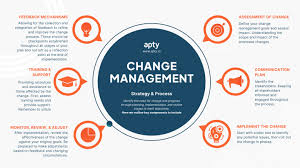
Course Overview
Training Course on Strategic Organizational Change Management in the Public Sector
Training Course on Strategic Organizational Change Management in the Public Sector is designed to equip public sector leaders and managers with the skills and knowledge necessary to effectively manage change initiatives within their organizations. In an era of rapid transformation, successful change management is crucial for enhancing service delivery, improving efficiency, and adapting to evolving public needs.
This course emphasizes strategic approaches to change management, focusing on frameworks, tools, and best practices that facilitate successful transitions in public sector organizations. Through interactive workshops, case studies, and practical exercises, participants will learn to develop and implement change strategies that align with organizational goals and stakeholder interests. By the end of the program, participants will be prepared to lead change initiatives confidently and effectively.
Course Objectives
- Understand the principles and theories of change management.
- Analyze the drivers and barriers to change in public sector organizations.
- Develop strategic change management plans aligned with organizational objectives.
- Engage stakeholders effectively throughout the change process.
- Utilize tools and techniques for assessing organizational readiness for change.
- Explore best practices for communicating change initiatives.
- Identify strategies for overcoming resistance to change.
- Measure and evaluate the impact of change initiatives.
- Foster a culture of continuous improvement and adaptability.
- Create actionable plans for implementing change management strategies.
- Develop leadership skills to support change initiatives.
- Evaluate the role of ethics in change management practices.
- Prepare for future trends and challenges in public sector change management.
Target Audience
- Public sector leaders and managers
- Change management practitioners
- Human resource professionals
- Policy makers
- Project managers
- Civil society representatives
- Students of public administration
- Consultants in organizational change
Course Duration: 10 Days
Course Modules
Module 1: Introduction to Change Management
- Defining key concepts: change management, organizational change, and transformation.
- Overview of the change management process and its significance.
- Historical context and evolution of change management theories.
- Setting course objectives related to change management in the public sector.
- Exploring the importance of change management for public service delivery.
Module 2: Drivers and Barriers to Change
- Identifying internal and external drivers of change in public sector organizations.
- Analyzing common barriers and challenges to successful change initiatives.
- Case studies of successful and unsuccessful change efforts.
- Engaging in discussions about overcoming barriers.
- Developing strategies to leverage drivers for effective change.
Module 3: Developing a Change Management Strategy
- Techniques for developing a strategic change management plan.
- Aligning change initiatives with organizational goals and vision.
- Engaging stakeholders in the planning process.
- Practical exercises on drafting change management strategies.
- Evaluating the feasibility of proposed change initiatives.
Module 4: Assessing Organizational Readiness for Change
- Tools and techniques for assessing readiness for change.
- Understanding the importance of organizational culture in change initiatives.
- Engaging stakeholders in readiness assessments.
- Analyzing case studies of readiness evaluations.
- Developing action plans based on readiness assessment results.
Module 5: Effective Communication in Change Management
- Best practices for communicating change initiatives to stakeholders.
- Techniques for crafting clear and compelling change messages.
- Understanding the role of feedback and two-way communication.
- Engaging in practical exercises on communication strategies.
- Developing communication plans tailored to different stakeholder groups.
Module 6: Managing Resistance to Change
- Identifying sources of resistance to change within organizations.
- Strategies for addressing and mitigating resistance.
- Techniques for building support and commitment to change initiatives.
- Role-playing exercises to practice managing resistance.
- Creating a framework for ongoing dialogue about change.
Module 7: Implementing Change Initiatives
- Techniques for executing change management plans effectively.
- Understanding the importance of leadership and sponsorship in change.
- Engaging stakeholders during the implementation phase.
- Analyzing case studies of successful change implementations.
- Establishing metrics for monitoring progress during implementation.
Module 8: Measuring and Evaluating Change Impact
- Developing metrics for assessing the effectiveness of change initiatives.
- Techniques for collecting and analyzing data on change outcomes.
- Understanding the importance of continuous evaluation and feedback.
- Engaging in practical exercises on impact assessment.
- Communicating evaluation results to stakeholders for transparency.
Module 9: Fostering a Culture of Continuous Improvement
- Strategies for promoting adaptability and resilience in organizations.
- Understanding the role of culture in sustaining change.
- Techniques for encouraging innovation and learning.
- Engaging in discussions about fostering a change-oriented culture.
- Developing initiatives to reinforce a culture of improvement.
Module 10: Action Planning for Change Management
- Developing personalized action plans for implementing change strategies.
- Setting measurable goals for change initiatives.
- Identifying resources and support networks for ongoing efforts.
- Sharing action plans and receiving feedback from peers.
- Establishing timelines for action plan execution and follow-up.
Module 11: Leadership in Change Management
- Exploring the qualities of effective leaders in change management.
- Techniques for motivating teams to embrace change.
- Developing conflict resolution skills relevant to change initiatives.
- Engaging in role-playing exercises to enhance leadership effectiveness.
- Evaluating the impact of leadership styles on change outcomes.
Module 12: Preparing for Future Trends in Change Management
- Exploring emerging trends and challenges in public sector change management.
- Understanding the impact of technology and globalization on change initiatives.
- Preparing for future disruptions and opportunities in the public sector.
- Engaging in discussions on the future of change management practices.
- Identifying skills needed for effective change leaders in the future.
Training Methodology
- Interactive Workshops: Facilitated discussions, group exercises, and problem-solving activities.
- Case Studies: Real-world examples to illustrate successful community-based surveillance practices.
- Role-Playing and Simulations: Practice engaging communities in surveillance activities.
- Expert Presentations: Insights from experienced public health professionals and community leaders.
- Group Projects: Collaborative development of community surveillance plans.
- Action Planning: Development of personalized action plans for implementing community-based surveillance.
- Digital Tools and Resources: Utilization of online platforms for collaboration and learning.
- Peer-to-Peer Learning: Sharing experiences and insights on community engagement.
- Post-Training Support: Access to online forums, mentorship, and continued learning resources.
Register as a group from 3 participants for a Discount
Send us an email: info@datastatresearch.org or call +254724527104
Certification
Upon successful completion of this training, participants will be issued with a globally recognized certificate.
Tailor-Made Course
We also offer tailor-made courses based on your needs.
Key Notes
- Participants must be conversant in English.
- Upon completion of training, participants will receive an Authorized Training Certificate.
- The course duration is flexible and can be modified to fit any number of days.
- Course fee includes facilitation, training materials, 2 coffee breaks, buffet lunch, and a Certificate upon successful completion.
- One-year post-training support, consultation, and coaching provided after the course.
- Payment should be made at least a week before the training commencement to DATASTAT CONSULTANCY LTD account, as indicated in the invoice, to enable better preparation.