Training Course on Strategic Performance Management
The "Strategic Performance Management Training Course" is designed to equip professionals with the skills and knowledge necessary to develop, implement, and evaluate strategic performance management systems.
Skills Covered
Course Overview
Strategic Performance Management Training Course
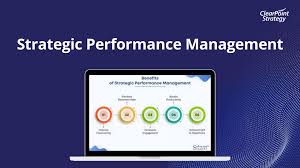
In today’s competitive landscape, effective strategic performance management is essential for organizations to achieve their goals and enhance operational efficiency. The "Strategic Performance Management Training Course" is designed to equip professionals with the skills and knowledge necessary to develop, implement, and evaluate strategic performance management systems. This comprehensive training program provides insights into best practices, frameworks, and tools for enhancing organizational performance.
In this course, participants will explore the principles of strategic performance management, gaining a deep understanding of how to align performance metrics with organizational objectives. Emphasis is placed on data-driven decision-making, stakeholder engagement, and continuous improvement. Through practical applications and real-world case studies, attendees will learn how to assess performance, implement effective management strategies, and promote a culture of accountability. This hands-on approach ensures that participants can apply theoretical concepts in practical settings, driving organizational success.
Course Objectives
- Understand the principles of strategic performance management.
- Identify key performance indicators (KPIs) aligned with organizational goals.
- Develop effective performance management systems.
- Assess organizational performance using data-driven approaches.
- Engage stakeholders in the performance management process.
- Implement monitoring and evaluation processes.
- Foster a culture of continuous improvement and accountability.
- Analyze case studies of successful performance management practices.
- Develop action plans for enhancing strategic performance.
- Explore the role of technology in performance management.
Target Audience
- Senior Managers
- Performance Analysts
- HR Professionals
- Business Strategists
- Consultants
- Academics and Researchers
- Team Leaders
Course Duration: 10 Days
Course Modules
Module 1: Introduction to Strategic Performance Management
- Overview of strategic performance management concepts.
- Historical context and evolution of performance management.
- Importance of aligning performance with organizational strategy.
- Key components of an effective performance management system.
- Case studies of successful strategic performance initiatives.
Module 2: Setting Organizational Goals and Objectives
- Defining strategic goals and objectives.
- Techniques for aligning departmental and individual objectives.
- Understanding the SMART criteria for goal setting.
- Engaging stakeholders in the goal-setting process.
- Communicating goals effectively throughout the organization.
Module 3: Key Performance Indicators (KPIs)
- Identifying and developing relevant KPIs.
- Differentiating between leading and lagging indicators.
- Techniques for measuring and evaluating KPIs.
- Aligning KPIs with organizational strategy and objectives.
- Analyzing case studies of effective KPI implementation.
Module 4: Data-Driven Decision Making
- Importance of data in performance management.
- Techniques for collecting and analyzing performance data.
- Utilizing data visualization tools for better insights.
- Making informed decisions based on performance analysis.
- Case studies of data-driven decision-making success.
Module 5: Performance Management Systems
- Overview of various performance management frameworks.
- Developing a comprehensive performance management system.
- Integrating performance management with organizational processes.
- Utilizing technology and software for performance management.
- Evaluating the effectiveness of performance management systems.
Module 6: Stakeholder Engagement in Performance Management
- Identifying key stakeholders in the performance management process.
- Techniques for effective stakeholder communication and engagement.
- Facilitating collaborative goal-setting and performance discussions.
- Building consensus around performance metrics and evaluation.
- Analyzing case studies of successful stakeholder engagement.
Module 7: Monitoring and Evaluation Processes
- Implementing monitoring systems to track performance.
- Techniques for conducting performance evaluations.
- Developing reporting mechanisms for performance outcomes.
- Utilizing feedback to drive continuous improvement.
- Evaluating the impact of performance management initiatives.
Module 8: Fostering a Culture of Accountability
- Understanding the importance of accountability in performance management.
- Techniques for promoting accountability at all levels.
- Establishing performance review processes and feedback loops.
- Encouraging ownership of performance outcomes among employees.
- Best practices for fostering a culture of accountability.
Module 9: Continuous Improvement Strategies
- Identifying areas for performance improvement.
- Implementing continuous improvement methodologies (e.g., PDCA, Six Sigma).
- Engaging teams in problem-solving and innovation.
- Measuring the impact of improvement initiatives on performance.
- Case studies of organizations that successfully implemented continuous improvement.
Module 10: The Role of Technology in Performance Management
- Exploring technological tools for performance tracking and analysis.
- Utilizing dashboards and analytics for real-time insights.
- Implementing performance management software solutions.
- Understanding the future of technology in performance management.
- Analyzing case studies of technology-driven performance success.
Module 11: Action Planning for Strategic Performance
- Developing comprehensive action plans for performance management.
- Setting priorities and timelines for implementation.
- Communicating action plans to stakeholders.
- Monitoring progress and making adjustments as needed.
- Evaluating the success of action plans on organizational performance.
Training Methodology
- Interactive Workshops: Engaging discussions and collaborative activities.
- Case Studies: Learning from real-world examples and best practices.
- Practical Exercises: Hands-on training in performance management scenarios.
- Role-Playing: Simulating performance evaluation discussions.
- Group Projects: Collaborative development of performance management strategies.