Training course on Structural Equation Modeling (SEM)
Training Course on Structural Equation Modeling (SEM) is designed for professionals seeking to understand and apply SEM techniques in their research and analysis.
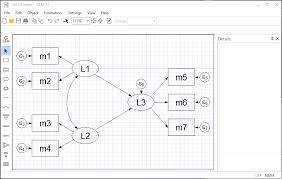
Course Overview
Training Course on Structural Equation Modeling (SEM)
Training Course on Structural Equation Modeling (SEM) is designed for professionals seeking to understand and apply SEM techniques in their research and analysis. This course equips participants with the skills necessary to construct, estimate, and evaluate complex models that represent relationships among observed and latent variables. By combining theoretical foundations with practical applications, attendees will gain a comprehensive understanding of how to leverage SEM for effective data analysis.
In the realm of social sciences, economics, and health research, SEM is a powerful tool for examining intricate relationships among variables. This course emphasizes practical applications, including model specification, testing, and interpretation, ensuring participants can effectively utilize SEM in various contexts. By the end of this training, professionals will be well-prepared to tackle complex modeling challenges using SEM.
Course Objectives
- Understand foundational concepts of Structural Equation Modeling.
- Master the components of SEM, including latent and observed variables.
- Construct and specify SEM models for data analysis.
- Estimate and evaluate model fit using various indices.
- Implement SEM using software tools (e.g., AMOS, Mplus, R).
- Interpret SEM results and communicate findings effectively.
- Address common challenges and limitations in SEM.
- Explore advanced topics in SEM, including multigroup analysis and mediation.
- Apply SEM techniques to real-world problems.
- Develop critical thinking skills for model evaluation and interpretation.
- Understand ethical considerations in SEM research.
- Stay updated on emerging trends and methodologies in SEM.
- Visualizing SEM results
Target Audience
- Researchers
- Data analysts
- Graduate students in social sciences and economics
- Policy analysts
- Business analysts
- Statisticians
- Psychologists
- Health researchers
Course Duration: 5 Days
Course Modules
Module 1: Introduction to Structural Equation Modeling
- Overview of SEM concepts and terminology.
- Importance of SEM in data analysis and research.
- Key differences between SEM and traditional regression techniques.
- Applications of SEM in various fields.
- Ethical considerations in SEM research.
Module 2: Components of SEM
- Understanding observed and latent variables.
- Introduction to measurement models and structural models.
- Exploring the relationships between variables in SEM.
- Constructing path diagrams to visualize models.
- Best practices for model specification.
Module 3: Model Estimation Techniques
- Overview of estimation methods (e.g., Maximum Likelihood, Generalized Least Squares).
- Understanding the assumptions of SEM.
- Implementing model estimation using software tools.
- Evaluating convergence and model stability.
- Case studies showcasing estimation techniques.
Module 4: Model Fit Assessment
- Understanding model fit indices (e.g., CFI, RMSEA, TLI, SRMR).
- Conducting goodness-of-fit tests.
- Interpreting fit indices and their implications.
- Strategies for improving model fit.
- Case studies on model fit assessment.
Module 5: Interpretation of SEM Results
- Interpreting path coefficients and their significance.
- Understanding indirect effects and mediation.
- Communicating SEM results to stakeholders.
- Writing clear and concise reports on SEM analysis.
- Best practices for visualizing SEM results.
Module 6: Advanced SEM Topics
- Exploring multigroup analysis in SEM.
- Conducting moderation and mediation analysis.
- Addressing measurement invariance across groups.
- Implementing confirmatory factor analysis (CFA).
- Case studies illustrating advanced SEM applications.
Module 7: Software Tools for SEM
- Overview of software tools for SEM (AMOS, Mplus, R).
- Hands-on exercises using software for SEM.
- Importing and managing data in SEM software.
- Implementing SEM models using software tools.
- Best practices for utilizing software in analyses.
Module 8: Real-World Applications of SEM
- Applying SEM techniques to real-world research problems.
- Conducting comprehensive analyses of chosen datasets.
- Preparing presentations of findings and recommendations.
- Collaborating on projects to evaluate complex relationships.
- Feedback sessions to refine analytical approaches.
Module 9: Challenges in Structural Equation Modeling
- Common pitfalls and challenges in SEM.
- Addressing issues of model complexity and overfitting.
- Navigating data quality and access challenges.
- Strategies for overcoming analytical obstacles.
- Discussion on future trends in SEM research.
Module 10: Course Review and Capstone Project
- Reviewing key concepts and methodologies covered in the course.
- Discussing common challenges and solutions in SEM.
- Preparing for the capstone project: applying SEM to a real-world problem.
- Presenting findings and receiving feedback from peers.
- Developing a plan for continued learning and application in the field.
Training Methodology
- Interactive Workshops: Facilitated discussions, group exercises, and problem-solving activities.
- Case Studies: Real-world examples to illustrate successful applications in development economics.
- Role-Playing and Simulations: Practice applying econometric methodologies.
- Expert Presentations: Insights from experienced development economists and practitioners.
- Group Projects: Collaborative development of econometric analysis plans.
- Action Planning: Development of personalized action plans for implementing econometric techniques.
- Digital Tools and Resources: Utilization of online platforms for collaboration and learning.
- Peer-to-Peer Learning: Sharing experiences and insights on development applications.
- Post-Training Support: Access to online forums, mentorship, and continued learning resources.
Registration and Certification
- Register as a group from 3 participants for a Discount.
- Send us an email: info@datastatresearch.org or call +254724527104.
- Upon successful completion of this training, participants will be issued with a globally recognized certificate.
Tailor-Made Course
We also offer tailor-made courses based on your needs.
Key Notes
- Participants must be conversant in English.
- Upon completion of training, participants will receive an Authorized Training Certificate.
- The course duration is flexible and can be modified to fit any number of days.
- Course fee includes facilitation, training materials, 2 coffee breaks, buffet lunch, and a Certificate upon successful completion.
- One-year post-training support, consultation, and coaching provided after the course.
- Payment should be made at least a week before the training commencement to DATASTAT CONSULTANCY LTD account, as indicated in the invoice, to enable better preparation.