Training course on Sustainable Development Goals (SDGs): Implementation and Monitoring
Training Course on Sustainable Development Goals (SDGs): Implementation and Monitoring provides participants with a comprehensive understanding of the SDGs, focusing on their implementation and monitoring.
Course Overview
Training Course on Sustainable Development Goals (SDGs): Implementation and Monitoring
Introduction
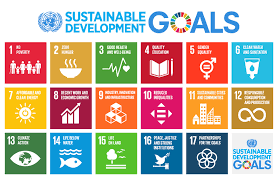
The Sustainable Development Goals (SDGs) represent a global commitment to address pressing social, economic, and environmental challenges by 2030. Training Course on Sustainable Development Goals (SDGs): Implementation and Monitoring provides participants with a comprehensive understanding of the SDGs, focusing on their implementation and monitoring. By exploring the framework of the SDGs, attendees will learn how to align local initiatives with global goals, ensuring that efforts contribute to sustainable development on a broader scale.
Through a combination of theoretical insights and practical applications, participants will delve into each of the 17 goals, examining strategies for effective implementation and monitoring. The course emphasizes the importance of stakeholder engagement, data collection, and reporting mechanisms. By the end of the course, attendees will be equipped to advocate for and facilitate the integration of SDGs into policies and programs, driving progress towards a more sustainable future.
Course Objectives
- Understand the framework and significance of the SDGs.
- Analyze the interconnections between different SDGs.
- Evaluate strategies for implementing the SDGs at local and national levels.
- Develop monitoring and evaluation frameworks for SDG initiatives.
- Engage stakeholders in the SDG implementation process.
- Utilize data collection methods to track progress on SDGs.
- Discuss best practices for reporting on SDG outcomes.
- Identify challenges and barriers to SDG implementation.
- Formulate recommendations for enhancing SDG initiatives.
- Explore case studies of successful SDG implementations.
- Understand the role of international organizations in supporting SDGs.
- Address ethical considerations in SDG implementation.
- Foster collaboration across sectors to achieve SDGs.
Target Audience
- Development practitioners
- Policy analysts
- Government officials
- NGO workers
- Graduate students in development studies
- Business leaders
- Environmental specialists
- Community organizers
Course Duration: 10 Days
Course Modules
Module 1: Introduction to Sustainable Development Goals
- Overview of the SDGs and their global significance.
- Historical context of sustainable development.
- Key concepts and terminology related to the SDGs.
- The role of the 2030 Agenda for Sustainable Development.
- Case studies illustrating the importance of the SDGs.
Module 2: Understanding the 17 Goals
- In-depth analysis of each of the 17 SDGs.
- Exploring the targets and indicators associated with the goals.
- Understanding the interconnections between different goals.
- The significance of inclusivity and equity in achieving the SDGs.
- Case studies on specific SDGs in action.
Module 3: Strategies for Implementation
- Developing action plans for local and national SDG implementation.
- Identifying key stakeholders and their roles in the process.
- Strategies for integrating SDGs into existing policies and programs.
- Engaging communities and fostering local ownership.
- Case studies on effective implementation strategies.
Module 4: Monitoring and Evaluation Frameworks
- Overview of monitoring and evaluation concepts.
- Developing M&E frameworks tailored to SDG initiatives.
- Techniques for tracking progress on SDG indicators.
- Utilizing technology for data collection and analysis.
- Case studies on successful M&E practices.
Module 5: Data Collection and Analysis
- Identifying data sources for SDG monitoring.
- Techniques for collecting qualitative and quantitative data.
- Ensuring data reliability and accuracy.
- Analyzing data to inform decision-making.
- Case studies illustrating effective data usage.
Module 6: Reporting on SDG Progress
- Best practices for reporting on SDG outcomes.
- Techniques for visualizing data and findings.
- Engaging stakeholders in the reporting process.
- Strategies for communicating results to diverse audiences.
- Case studies on impactful SDG reporting.
Module 7: Addressing Challenges and Barriers
- Identifying common challenges in SDG implementation.
- Strategies for overcoming obstacles and resistance.
- Understanding the role of governance and policy frameworks.
- Addressing resource constraints and funding issues.
- Case studies on overcoming implementation challenges.
Module 8: The Role of International Organizations
- Understanding the support role of UN agencies and NGOs.
- Analyzing the impact of global partnerships on SDG achievement.
- Strategies for leveraging international resources and expertise.
- Exploring collaborative frameworks for SDG implementation.
- Case studies on successful international collaboration.
Module 9: Ethical Considerations in SDG Implementation
- Understanding ethical issues related to sustainable development.
- Addressing equity and social justice in SDG initiatives.
- Ensuring transparency and accountability in reporting.
- Discussing the implications of SDG policies on vulnerable populations.
- Strategies for promoting ethical practices in SDG work.
Module 10: Collaboration Across Sectors
- The importance of multi-stakeholder partnerships for SDG success.
- Strategies for fostering collaboration between government, private sector, and civil society.
- Engaging youth and marginalized groups in SDG initiatives.
- Best practices for building effective coalitions.
- Case studies on successful multi-sector collaboration.
Module 11: Future Trends in Sustainable Development
- Exploring emerging trends in sustainable development.
- The role of innovation and technology in achieving the SDGs.
- Discussing the impact of climate change on sustainable development.
- Preparing for future challenges in SDG implementation.
- Case studies on innovative approaches to sustainability.
Module 12: Course Review and Capstone Project
- Reviewing key concepts and methodologies covered in the course.
- Discussing common challenges and solutions in implementing the SDGs.
- Preparing for the capstone project: developing an SDG action plan.
- Presenting findings and receiving feedback from peers.
- Formulating a personal action plan for future SDG advocacy.
Training Methodology
- Interactive Workshops: Facilitated discussions, group exercises, and problem-solving activities.
- Case Studies: Real-world examples to illustrate successful community-based surveillance practices.
- Role-Playing and Simulations: Practice engaging communities in surveillance activities.
- Expert Presentations: Insights from experienced public health professionals and community leaders.
- Group Projects: Collaborative development of community surveillance plans.
- Action Planning: Development of personalized action plans for implementing community-based surveillance.
- Digital Tools and Resources: Utilization of online platforms for collaboration and learning.
- Peer-to-Peer Learning: Sharing experiences and insights on community engagement.
- Post-Training Support: Access to online forums, mentorship, and continued learning resources.
Register as a group from 3 participants for a Discount
Send us an email: info@datastatresearch.org or call +254724527104
Certification
Upon successful completion of this training, participants will be issued with a globally recognized certificate.
Tailor-Made Course
We also offer tailor-made courses based on your needs.
Key Notes
- Participants must be conversant in English.
- Upon completion of training, participants will receive an Authorized Training Certificate.
- The course duration is flexible and can be modified to fit any number of days.
- Course fee includes facilitation, training materials, 2 coffee breaks, buffet lunch, and a Certificate upon successful completion.
- One-year post-training support, consultation, and coaching provided after the course.
- Payment should be made at least a week before the training commencement to DATASTAT CONSULTANCY LTD account, as indicated in the invoice, to enable better preparation.