Training course on Water-Energy-Food Nexus in Renewable Development
Training Course on Water-Energy-Food Nexus in Renewable Development is designed to equip professionals with the knowledge and skills necessary to integrate these systems effectively, promoting resilience and sustainability in resource management.
Course Overview
Training Course on Water-Energy-Food Nexus in Renewable Development
Introduction
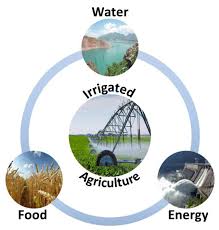
The interconnection between water, energy, and food systems is crucial for sustainable development, particularly in the context of renewable resources. The Water-Energy-Food Nexus approach recognizes that these three essential elements are interdependent and must be managed collectively to ensure the sustainability of ecosystems and human well-being. Training Course on Water-Energy-Food Nexus in Renewable Development is designed to equip professionals with the knowledge and skills necessary to integrate these systems effectively, promoting resilience and sustainability in resource management.
Participants will explore the dynamics of the water-energy-food nexus, examining how renewable energy technologies can support efficient water use and sustainable agricultural practices. The course will address challenges such as resource scarcity, climate change impacts, and policy frameworks that influence the nexus. Through real-world case studies and practical exercises, attendees will gain insights into best practices for optimizing resource use and enhancing food security while minimizing environmental impacts. By the end of the course, participants will be empowered to develop integrated strategies that enhance the sustainability of water, energy, and food systems in their regions.
Course Objectives
- Understand the principles of the Water-Energy-Food Nexus.
- Analyze the interdependencies among water, energy, and food systems.
- Evaluate renewable energy technologies that support sustainable agriculture.
- Explore water management practices in energy and food production.
- Assess the impacts of climate change on the nexus.
- Investigate policy frameworks affecting the Water-Energy-Food Nexus.
- Discuss best practices for integrated resource management.
- Identify challenges and barriers to implementing nexus strategies.
- Develop skills in data analysis and modeling for the nexus.
- Create actionable plans for enhancing nexus sustainability.
- Examine case studies of successful nexus integration.
- Explore future trends in the Water-Energy-Food Nexus.
- Assess the economic implications of nexus strategies.
Target Audience
- Water resource managers and engineers
- Agricultural professionals and food security experts
- Renewable energy specialists and engineers
- Policy makers and regulators
- Sustainability officers and environmental managers
- Graduate students in environmental science or resource management
- Non-profit organization leaders focused on sustainable development
- Industry representatives in water, energy, and agriculture sectors
Course Duration: 10 Days
Course Modules
Module 1: Introduction to the Water-Energy-Food Nexus
- Overview of nexus concepts and terminology.
- Importance of integrated resource management.
- Key interdependencies among water, energy, and food.
- Current global challenges related to the nexus.
- Case studies highlighting successful nexus approaches.
Module 2: Interdependencies Among Water, Energy, and Food
- Analyzing the relationships between water use and energy production.
- Evaluating the impact of food production on energy and water resources.
- Discussing feedback loops within the nexus.
- Assessing the role of climate change in nexus dynamics.
- Real-world examples of interdependencies in action.
Module 3: Renewable Energy Technologies for Sustainable Agriculture
- Overview of renewable energy options for agricultural use.
- Analyzing solar, wind, and bioenergy applications in farming.
- Assessing energy efficiency in food production systems.
- Exploring technologies for water-efficient irrigation.
- Case studies on successful renewable energy integration in agriculture.
Module 4: Water Management in Energy and Food Production
- Best practices for water conservation in agricultural practices.
- Evaluating the role of irrigation systems in resource management.
- Discussing water quality and its impact on food production.
- Analyzing the importance of watershed management.
- Case studies on effective water management strategies.
Module 5: Climate Change Impacts on the Nexus
- Understanding the effects of climate change on water, energy, and food systems.
- Evaluating adaptation strategies for nexus resilience.
- Discussing vulnerability assessments and risk management.
- Assessing the role of renewable energy in climate mitigation.
- Case studies on climate adaptation within the nexus.
Module 6: Policy Frameworks Affecting the Water-Energy-Food Nexus
- Overview of policies influencing water, energy, and food management.
- Analyzing regulatory frameworks and their impact on the nexus.
- Discussing the role of international agreements and local regulations.
- Evaluating incentives for sustainable resource management.
- Case studies on effective policy implementation.
Module 7: Integrated Resource Management Best Practices
- Identifying best practices for managing the nexus.
- Exploring collaborative approaches among stakeholders.
- Discussing the importance of public participation in decision-making.
- Evaluating tools and methodologies for integrated resource management.
- Case studies on successful integrated management initiatives.
Module 8: Challenges and Barriers to Nexus Implementation
- Identifying common challenges in nexus integration.
- Discussing financial and technical barriers to implementation.
- Analyzing social and cultural factors influencing the nexus.
- Strategies for overcoming obstacles in resource management.
- Real-world examples of challenges faced in nexus projects.
Module 9: Data Analysis and Modeling for the Nexus
- Overview of data requirements for nexus analysis.
- Techniques for quantitative modeling of nexus interactions.
- Evaluating tools for data collection and analysis.
- Discussing the role of GIS in nexus assessments.
- Real-world examples of data-driven decision-making.
Module 10: Actionable Plans for Nexus Sustainability
- Steps for creating effective nexus management plans.
- Setting measurable goals and performance indicators.
- Engaging teams and stakeholders in planning processes.
- Monitoring progress and adjusting strategies over time.
- Presenting nexus plans for stakeholder approval.
Module 11: Case Studies of Successful Nexus Integration
- Analyzing global examples of effective nexus integration.
- Identifying lessons learned from successful projects.
- Discussing the implications for future nexus practices.
- Evaluating diverse case studies across different contexts.
- Highlighting community involvement in project success.
Module 12: Future Trends in the Water-Energy-Food Nexus
- Exploring emerging trends in nexus management.
- Analyzing the role of technology and innovation in the nexus.
- Discussing the potential for smart systems and data analytics.
- Evaluating the impact of global policy changes on the nexus.
- Case studies on forward-looking nexus initiatives.
Training Methodology
- Interactive Workshops: Facilitated discussions, group exercises, and problem-solving activities.
- Case Studies: Real-world examples to illustrate successful community-based surveillance practices.
- Role-Playing and Simulations: Practice engaging communities in surveillance activities.
- Expert Presentations: Insights from experienced public health professionals and community leaders.
- Group Projects: Collaborative development of community surveillance plans.
- Action Planning: Development of personalized action plans for implementing community-based surveillance.
- Digital Tools and Resources: Utilization of online platforms for collaboration and learning.
- Peer-to-Peer Learning: Sharing experiences and insights on community engagement.
- Post-Training Support: Access to online forums, mentorship, and continued learning resources.
Register as a group from 3 participants for a Discount
Send us an email: info@datastatresearch.org or call +254724527104
Certification
Upon successful completion of this training, participants will be issued with a globally recognized certificate.
Tailor-Made Course
We also offer tailor-made courses based on your needs.
Key Notes
- Participants must be conversant in English.
- Upon completion of training, participants will receive an Authorized Training Certificate.
- The course duration is flexible and can be modified to fit any number of days.
- Course fee includes facilitation, training materials, 2 coffee breaks, buffet lunch, and a Certificate upon successful completion.
- One-year post-training support, consultation, and coaching provided after the course.
- Payment should be made at least a week before the training commencement to DATASTAT CONSULTANCY LTD account, as indicated in the invoice, to enable better preparation.