Training Course Production Planning and Scheduling in Petroleum Refineries
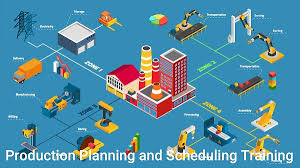
Training Course Production Planning & Scheduling in Petroleum Refineries delves into the core principles and advanced techniques of production planning and scheduling, specifically tailored to the unique challenges and opportunities within petroleum refineries.
Course Overview
Training Course Production Planning & Scheduling in Petroleum Refineries
Introduction
The petroleum refining industry operates within a complex and dynamic global market, demanding meticulous production planning and efficient scheduling to maximize throughput, minimize costs, and ensure timely delivery of diverse fuel and petrochemical products. Effective refinery scheduling is crucial for navigating feedstock variations, managing intricate processing units, and responding swiftly to market fluctuations. This comprehensive training course delves into the core principles and advanced techniques of production planning and scheduling, specifically tailored to the unique challenges and opportunities within petroleum refineries. Participants will gain practical insights into optimizing resource allocation, reducing operational bottlenecks, and leveraging data-driven strategies for enhanced refinery efficiency and overall profitability. Mastering supply chain optimization through robust planning and scheduling is no longer a luxury but a necessity for staying competitive in the energy sector.
This intensive program equips professionals with the knowledge and skills to develop and implement sophisticated production plans and agile scheduling strategies. By understanding the intricacies of refinery operations, including distillation, conversion, treating, and blending processes, participants will learn to create feasible and optimized schedules that account for equipment constraints, maintenance requirements, and product specifications. The course emphasizes the application of industry best practices and technological advancements in production optimization and capacity planning. Through practical exercises and real-world case studies, attendees will develop the expertise to improve operational efficiency, enhance profitability, and contribute significantly to their organization's success in the demanding energy industry.
Course Duration
10 days
Course Objectives
- Understand the fundamentals of production planning in complex industrial environments.
- Master refinery scheduling techniques for continuous and batch processes.
- Apply supply chain optimization principles within the petroleum refining context.
- Analyze and mitigate operational bottlenecks in refinery production.
- Utilize capacity planning strategies to maximize refinery throughput.
- Implement inventory management best practices for intermediate and finished products.
- Optimize resource allocation (feedstock, utilities, personnel) for cost efficiency.
- Develop production forecasting models for improved planning accuracy.
- Integrate maintenance scheduling with production plans to minimize downtime.
- Apply linear programming and other optimization tools for scheduling.
- Understand the impact of crude oil variability on planning and scheduling.
- Utilize digitalization in refineries for enhanced planning and scheduling.
- Implement performance monitoring and KPIs for production planning and scheduling effectiveness.
Organizational Benefits
- Increased operational efficiency and reduced production costs.
- Improved asset utilization and maximized refinery throughput.
- Enhanced supply chain visibility and responsiveness.
- Minimized inventory holding costs and waste.
- Better alignment of production with market demand and sales forecasts.
- Reduced unplanned downtime through proactive maintenance scheduling.
- Improved decision-making based on accurate production data and analysis.
- Enhanced profitability and competitive advantage in the energy market.
- Greater ability to adapt to changes in feedstock quality and market conditions.
- Improved collaboration and communication across different refinery departments.
Target Audience
- Production Planners
- Production Schedulers
- Operations Managers
- Supply Chain Analysts
- Refinery Engineers
- Maintenance Planners
- Logistics Coordinators
- Process Optimization Specialists
Course Outline
Module 1: Fundamentals of Petroleum Refining and Production Planning
- Overview of the petroleum refining process and key units.
- Introduction to different types of refineries and their complexities.
- The role and importance of production planning in refinery operations.
- Understanding key terminology and concepts in planning and scheduling.
- The integration of production planning with overall business strategy.
Module 2: Demand Forecasting and Sales & Operations Planning (S&OP)
- Techniques for forecasting demand for various refined products.
- Understanding the Sales & Operations Planning (S&OP) process in refineries.
- Aligning production plans with sales forecasts and market trends.
- Managing demand variability and its impact on production schedules.
- Developing effective communication and collaboration within the S&OP cycle.
Module 3: Refinery Scheduling Principles and Techniques
- Introduction to different scheduling horizons (short-term, medium-term, long-term).
- Detailed scheduling of primary distillation units and secondary processing units.
- Batch scheduling considerations for blending and specialty products.
- Sequencing and optimization techniques for minimizing changeovers.
- Understanding the impact of unit constraints and interdependencies on scheduling.
Module 4: Feedstock Management and Crude Oil Scheduling
- Understanding different types of crude oil and their properties.
- Planning for crude oil procurement, storage, and delivery.
- Developing optimal crude oil blends for maximizing refinery profitability.
- Scheduling crude oil processing to meet product demand and quality specifications.
- Managing the impact of crude oil variability on refinery operations and scheduling.
Module 5: Inventory Management of Intermediate and Finished Products
- Principles of inventory management in a refinery environment.
- Calculating optimal inventory levels for various product streams.
- Strategies for minimizing inventory holding costs and obsolescence.
- Managing storage constraints and logistics for intermediate and finished products.
- The impact of inventory levels on production planning and scheduling flexibility.
Module 6: Capacity Planning and Throughput Optimization
- Determining the effective capacity of different refinery units.
- Identifying and analyzing operational bottlenecks that limit throughput.
- Strategies for debottlenecking and increasing refinery capacity.
- Optimizing unit utilization and maximizing overall refinery throughput.
- Long-term capacity planning in response to market growth and changing product demand.
Module 7: Maintenance Planning and Integration with Production Schedules
- Different types of maintenance strategies (preventive, predictive, reactive).
- Planning and scheduling routine maintenance activities to minimize downtime.
- Coordinating maintenance schedules with production plans to avoid conflicts.
- Managing unplanned maintenance events and their impact on schedules.
- Utilizing maintenance management systems for effective planning and scheduling.
Module 8: Linear Programming and Optimization Techniques for Scheduling
- Introduction to linear programming and its applications in refinery scheduling.
- Formulating scheduling problems as linear programming models.
- Using optimization software to generate efficient production schedules.
- Understanding constraints and objective functions in scheduling optimization.
- Applying other optimization techniques (e.g., heuristics, simulation) to complex scheduling problems.
Module 9: Managing Operational Bottlenecks and Constraints
- Identifying common operational bottlenecks in petroleum refineries.
- Analyzing the root causes of bottlenecks and their impact on production.
- Developing strategies for mitigating and eliminating operational constraints.
- Implementing process improvements to enhance flow and reduce bottlenecks.
- Utilizing simulation tools to model and analyze bottleneck scenarios.
Module 10: Production Reporting and Performance Monitoring (KPIs)
- Identifying key performance indicators (KPIs) for production planning and scheduling.
- Developing systems for collecting and reporting production data.
- Analyzing production performance against targets and benchmarks.
- Using performance data to identify areas for improvement.
- Creating effective dashboards and reports for communicating production performance.
Module 11: Safety and Environmental Considerations in Production Planning
- Integrating safety considerations into production plans and schedules.
- Planning for safe handling and processing of hazardous materials.
- Ensuring compliance with environmental regulations and permits.
- Scheduling environmental monitoring and waste management activities.
- Emergency preparedness and response planning in the context of production schedules.
Module 12: Digitalization and Technology in Refinery Planning and Scheduling
- Overview of digital technologies transforming refinery operations.
- Utilizing advanced planning and scheduling (APS) software.
- Implementing data analytics and artificial intelligence for optimization.
- Leveraging digital twins for simulation and scenario planning.
- The role of the Industrial Internet of Things (IIoT) in production planning.
Module 13: Supply Chain Optimization and Logistics in Petroleum Refining
- Understanding the end-to-end supply chain for petroleum products.
- Optimizing the flow of raw materials, intermediates, and finished goods.
- Planning and scheduling transportation and distribution activities.
- Managing relationships with suppliers, customers, and logistics providers.
- Utilizing supply chain management software and tools.
Module 14: Advanced Scheduling Techniques and Best Practices
- Advanced modeling techniques for complex scheduling scenarios.
- Integrating real-time data and feedback into scheduling decisions.
- Strategies for handling disruptions and unplanned events in schedules.
- Benchmarking against industry best practices in production planning and scheduling.
- Continuous improvement methodologies for optimizing planning and scheduling processes.
Module 15: Case Studies and Practical Applications
- Analyzing real-world case studies of production planning and scheduling challenges in refineries.
- Applying learned techniques to solve practical scheduling problems.
- Group exercises and simulations to reinforce key concepts.
- Discussion of industry-specific challenges and solutions.
- Developing action plans for implementing improvements in participants' own organizations.
Training Methodology
This training course will employ a blended learning approach, incorporating:
- Interactive lectures with real-world examples and case studies.
- Group discussions and knowledge-sharing sessions.
- Practical exercises and problem-solving activities.
- Simulation software demonstrations (if applicable).
- Case study analysis of actual refinery scenarios.
- Q&A sessions to address specific participant queries.
Register as a group from 3 participants for a Discount
Send us an email: info@datastatresearch.org or call +254724527104
Certification
Upon successful completion of this training, participants will be issued with a globally- recognized certificate.
Tailor-Made Course
We also offer tailor-made courses based on your needs.
Key Notes
a. The participant must be conversant with English.
b. Upon completion of training the participant will be issued with an Authorized Training Certificate
c. Course duration is flexible and the contents can be modified to fit any number of days.
d. The course fee includes facilitation training materials, 2 coffee breaks, buffet lunch and A Certificate upon successful completion of Training.
e. One-year post-training support Consultation and Coaching provided after the course.
f. Payment should be done at least a week before commence of the training, to DATASTAT CONSULTANCY LTD account, as indicated in the invoice so as to enable us prepare better for you.