Understanding Food Safety Hazards: Biological, Chemical, Physical Training Course
Understanding Food Safety Hazards: Biological, Chemical, Physical Training Course is designed with practical insights, interactive learning, and case studies that emphasize real-world applications to strengthen food safety systems.
Course Overview
Understanding Food Safety Hazards: Biological, Chemical, Physical Training Course
Introduction
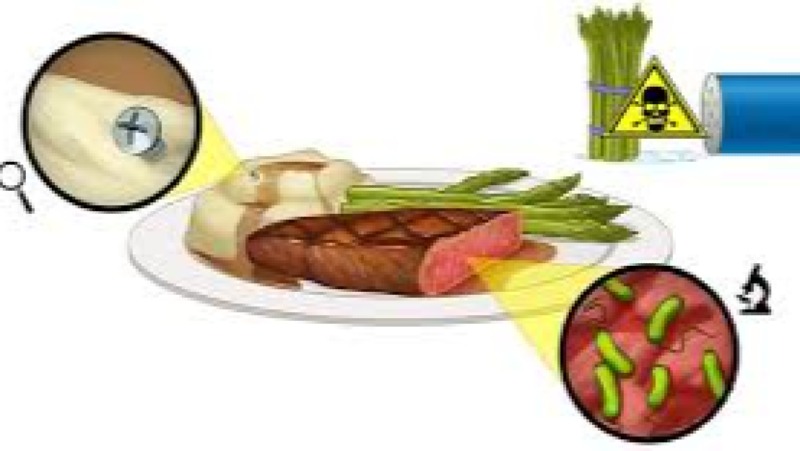
Food safety is one of the most crucial pillars of public health, consumer protection, and global trade. With the increasing complexity of the food supply chain and the rise of emerging risks, food businesses must focus on ensuring effective identification, management, and control of hazards. Understanding food safety hazards such as biological, chemical, and physical contaminants is essential to reduce risks, maintain compliance with international food safety standards, and build consumer trust. Understanding Food Safety Hazards: Biological, Chemical, Physical Training Course is designed with practical insights, interactive learning, and case studies that emphasize real-world applications to strengthen food safety systems.
The training integrates global best practices and updated regulatory frameworks, equipping participants with tools to identify potential food hazards, mitigate risks, and implement robust food safety strategies. By incorporating trending keywords such as HACCP principles, ISO 22000 standards, hazard analysis, contamination prevention, and food defense strategies, the program provides participants with both theoretical knowledge and practical approaches to achieving food safety excellence.
Course Objectives
- Understand fundamental food safety hazards and their impact on consumer health.
- Identify and classify biological, chemical, and physical hazards in food systems.
- Apply hazard analysis and risk assessment methods in line with HACCP principles.
- Recognize regulatory requirements such as Codex Alimentarius and ISO 22000.
- Implement contamination prevention strategies across the supply chain.
- Explore the role of food defense and fraud mitigation in hazard prevention.
- Conduct hazard monitoring and verification processes effectively.
- Strengthen knowledge of food safety management systems and compliance.
- Gain hands-on experience through case study analysis of foodborne incidents.
- Learn to integrate hazard control measures into standard operating procedures.
- Improve organizational readiness for audits and food safety inspections.
- Enhance understanding of global food safety trends and digital monitoring tools.
- Build professional skills for continuous improvement in food safety culture.
Organizational Benefits
- Enhanced compliance with international food safety regulations.
- Improved consumer confidence and brand reputation.
- Reduction of foodborne illness incidents and recalls.
- Strengthened food safety culture within the organization.
- Increased efficiency in hazard monitoring and risk management.
- Cost savings from reduced contamination and waste.
- Improved readiness for third-party audits and certifications.
- Stronger supplier and stakeholder relationships.
- Greater resilience against emerging food safety risks.
- Competitive advantage in local and global markets.
Target Audiences
- Food safety managers and supervisors
- Quality assurance professionals
- Production and operations managers
- Regulatory and compliance officers
- Food scientists and technologists
- Hospitality and catering professionals
- Food importers, exporters, and distributors
- Public health officers and inspectors
Course Duration: 5 days
Course Modules
Module 1: Introduction to Food Safety Hazards
- Definition and importance of food safety hazards
- Overview of biological, chemical, and physical hazards
- Understanding contamination sources
- Global food safety standards overview
- Emerging risks in food safety
- Case study: E. coli contamination in leafy greens
Module 2: Biological Hazards
- Types of pathogenic microorganisms
- Foodborne illness and outbreaks
- Cross-contamination and prevention strategies
- Microbial growth conditions and controls
- HACCP-based biological hazard analysis
- Case study: Salmonella outbreak in poultry
Module 3: Chemical Hazards
- Types of chemical contaminants in food
- Sources of pesticide residues and toxins
- Heavy metals and industrial pollutants
- Allergen management and labeling requirements
- Preventive controls for chemical hazards
- Case study: Melamine contamination in dairy
Module 4: Physical Hazards
- Common physical contaminants in food processing
- Sources of foreign materials in supply chains
- Risk assessment for physical hazards
- Prevention through good manufacturing practices
- Hazard detection technologies
- Case study: Glass fragments in beverage industry
Module 5: Hazard Analysis and Critical Control Points (HACCP)
- Principles of HACCP and their application
- Identifying critical control points
- Monitoring and verification procedures
- Documenting hazard analysis effectively
- Benefits of HACCP in food industries
- Case study: HACCP implementation in meat processing
Module 6: Regulatory Frameworks
- Overview of Codex Alimentarius guidelines
- ISO 22000 food safety management system
- National and regional food safety laws
- Global harmonization of safety standards
- Role of regulatory bodies in enforcement
- Case study: FDA compliance in the United States
Module 7: Contamination Prevention Strategies
- Hygiene and sanitation practices
- Supply chain risk management
- Equipment maintenance and calibration
- Training staff in food safety practices
- Digital monitoring for contamination risks
- Case study: Preventive controls in ready-to-eat foods
Module 8: Food Safety Culture and Continuous Improvement
- Building awareness of food safety in organizations
- Leadership roles in food safety culture
- Continuous monitoring and improvement processes
- Communication and reporting systems
- Role of audits in driving improvements
- Case study: Transforming food safety culture in a beverage company
Training Methodology
- Interactive lectures and expert-led discussions
- Group exercises and collaborative learning activities
- Real-world case studies for practical application
- Role-play and scenario-based hazard analysis
- Hands-on exercises in hazard identification
- Multimedia presentations and digital simulations
Register as a group from 3 participants for a Discount
Send us an email: info@datastatresearch.org or call +254724527104
Certification
Upon successful completion of this training, participants will be issued with a globally- recognized certificate.
Tailor-Made Course
We also offer tailor-made courses based on your needs.
Key Notes
a. The participant must be conversant with English.
b. Upon completion of training the participant will be issued with an Authorized Training Certificate
c. Course duration is flexible and the contents can be modified to fit any number of days.
d. The course fee includes facilitation training materials, 2 coffee breaks, buffet lunch and A Certificate upon successful completion of Training.
e. One-year post-training support Consultation and Coaching provided after the course.
f. Payment should be done at least a week before commence of the training, to DATASTAT CONSULTANCY LTD account, as indicated in the invoice so as to enable us prepare better for you.