Wildlife Capture Techniques Training Course
Wildlife Capture Techniques Training Course equips participants with in-depth skills and knowledge on ethical capture, handling, and release methods to ensure animal welfare while maintaining scientific accuracy.
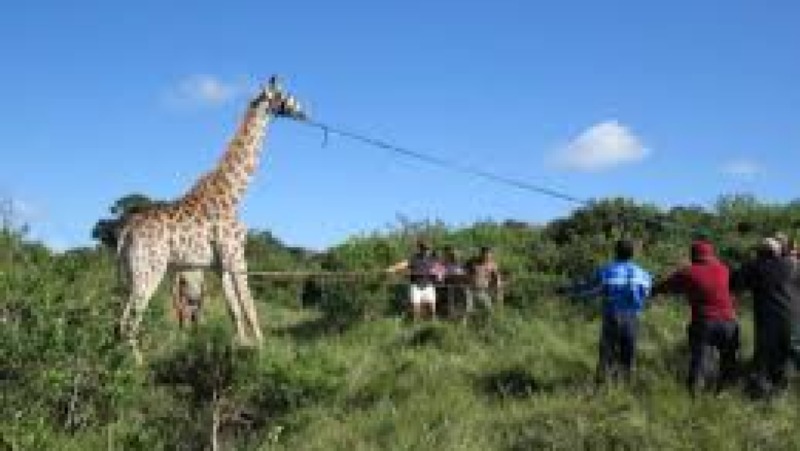
Course Overview
Wildlife Capture Techniques Training Course
Introduction
Wildlife capture techniques are vital for conservation management, research, ecological monitoring, and biodiversity protection. Wildlife Capture Techniques Training Course equips participants with in-depth skills and knowledge on ethical capture, handling, and release methods to ensure animal welfare while maintaining scientific accuracy. With the rising importance of conservation technology, wildlife management systems, and sustainable ecological practices, professionals must gain practical competencies in safe and responsible wildlife capture. This program blends hands-on training, case studies, and interactive sessions to build technical expertise aligned with global conservation standards.
The course focuses on trending strategies such as non-invasive tracking, advanced tranquilization methods, wildlife telemetry, and habitat-based monitoring systems. Participants will learn how to plan and implement wildlife capture operations while mitigating risks, complying with ethical standards, and ensuring ecosystem stability. By the end of the course, learners will have gained practical proficiency in integrating modern conservation technology, field safety, and research methodologies, preparing them to contribute effectively to wildlife management and biodiversity conservation projects worldwide.
Course Objectives
1. Develop comprehensive understanding of wildlife capture planning and ecological safety.
2. Apply ethical principles and welfare guidelines in wildlife handling techniques.
3. Gain practical experience in non-invasive and invasive capture methods.
4. Learn advanced tranquilization and immobilization procedures.
5. Utilize wildlife telemetry systems for tracking and monitoring species.
6. Implement safety protocols for handlers and animals during capture operations.
7. Analyze habitat-based approaches to effective wildlife management.
8. Apply innovative conservation technology in field operations.
9. Evaluate case studies to identify best practices in wildlife capture.
10. Strengthen risk management and decision-making in wildlife operations.
11. Design and execute sustainable capture programs for research and conservation.
12. Integrate global biodiversity policies into capture and release practices.
13. Build collaborative skills for working with conservation teams and agencies.
Organizational Benefits
┬╖ Improved capacity in biodiversity conservation projects
┬╖ Enhanced wildlife monitoring and data accuracy
┬╖ Strengthened compliance with global wildlife regulations
┬╖ Increased safety for staff and wildlife in field operations
┬╖ Optimized conservation project planning and execution
┬╖ Boosted credibility in ecological research and conservation partnerships
┬╖ Reduced operational risks during wildlife interventions
┬╖ Increased community trust through ethical conservation practices
┬╖ Strengthened professional workforce in wildlife management
┬╖ Greater contribution to global biodiversity sustainability goals
Target Audiences
1. Wildlife biologists
2. Conservation officers
3. Environmental researchers
4. Ecologists
5. Forestry professionals
6. Veterinary practitioners
7. Park rangers
8. Students and graduates in wildlife sciences
Course Duration: 5 days
Course Modules
Module 1: Introduction to Wildlife Capture Techniques
┬╖ Overview of capture principles
┬╖ Ethical and legal considerations
┬╖ Introduction to wildlife safety measures
┬╖ Tools and equipment for capture operations
┬╖ Ecological impacts of capture methods
┬╖ Case study: Ethical capture and release in conservation parks
Module 2: Non-Invasive Capture Methods
┬╖ Use of camera traps
┬╖ Live-trapping techniques
┬╖ Netting and passive devices
┬╖ Habitat-based observation systems
┬╖ Integration of digital tools in non-invasive methods
┬╖ Case study: Non-invasive approaches in primate monitoring
Module 3: Invasive Capture Methods
┬╖ Immobilization and tranquilization
┬╖ Darting techniques
┬╖ Handling stress management
┬╖ Physical restraint tools
┬╖ Risk assessment in invasive methods
┬╖ Case study: Big game immobilization and safety management
Module 4: Safety in Wildlife Capture
┬╖ Field safety protocols
┬╖ Protective gear and equipment use
┬╖ Animal stress and injury prevention
┬╖ Emergency response strategies
┬╖ First aid in field operations
┬╖ Case study: Field safety management in wildlife translocation
Module 5: Wildlife Telemetry and Tracking
┬╖ Use of radio collars
┬╖ Satellite and GPS tracking systems
┬╖ Data collection and analysis
┬╖ Long-term monitoring techniques
┬╖ Integration with conservation technology
┬╖ Case study: Tracking migratory species with telemetry systems
Module 6: Habitat-Based Capture Planning
┬╖ Assessing environmental conditions
┬╖ Seasonal planning of capture
┬╖ Identifying species-specific habitats
┬╖ Reducing environmental disturbance
┬╖ Coordinating capture timing with ecological cycles
┬╖ Case study: Habitat-based planning in wetland ecosystems
Module 7: Wildlife Health and Veterinary Support
┬╖ Veterinary roles in wildlife capture
┬╖ Anesthesia monitoring
┬╖ Stress indicators in captured animals
┬╖ Health assessment techniques
┬╖ Post-capture veterinary care
┬╖ Case study: Veterinary-led interventions in wildlife rescue operations
Module 8: Case Studies and Best Practices in Wildlife Capture
┬╖ Review of global capture programs
┬╖ Lessons from failed interventions
┬╖ Innovations in conservation projects
┬╖ Comparative analysis of capture techniques
┬╖ Adopting global best practices
┬╖ Case study: Community-led wildlife capture initiatives
Training Methodology
┬╖ Instructor-led classroom sessions with interactive discussions
┬╖ Practical demonstrations of wildlife capture tools
┬╖ Field-based exercises in simulated wildlife environments
┬╖ Group work and collaborative conservation planning
┬╖ Real-life case studies from global wildlife projects
┬╖ Assessment through fieldwork, presentations, and applied practice
Register as a group from 3 participants for a Discount
Send us an email: info@datastatresearch.org or call +254724527104
Certification
Upon successful completion of this training, participants will be issued with a globally- recognized certificate.
Tailor-Made Course
We also offer tailor-made courses based on your needs.
Key Notes
a. The participant must be conversant with English.
b. Upon completion of training the participant will be issued with an Authorized Training Certificate
c. Course duration is flexible and the contents can be modified to fit any number of days.
d. The course fee includes facilitation training materials, 2 coffee breaks, buffet lunch and A Certificate upon successful completion of Training.
e. One-year post-training support Consultation and Coaching provided after the course.
f. Payment should be done at least a week before commence of the training, to DATASTAT CONSULTANCY LTD account, as indicated in the invoice so as to enable us prepare better for you.