Wildlife Crime Investigation and Enforcement Training Course
Wildlife Crime Investigation and Enforcement Training Course is designed using global best practices, real-world case studies, and digital forensics to address poaching, illegal trade, and trafficking of endangered species.
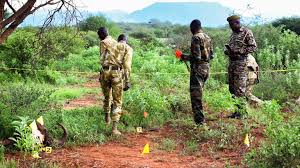
Course Overview
Wildlife Crime Investigation and Enforcement Training Course
Introduction
Wildlife crime has emerged as one of the most lucrative transnational organized crimes globally, threatening biodiversity, undermining rule of law, and endangering ecosystem stability. With illegal wildlife trade estimated to be worth billions of dollars annually, effective wildlife crime investigation and enforcement are crucial for conservation, security, and sustainable development. This course empowers frontline officers, environmental professionals, and legal practitioners with the skills, tools, and knowledge needed to combat wildlife trafficking through forensic techniques, intelligence-led operations, and legal enforcement mechanisms.
Wildlife Crime Investigation and Enforcement Training Course is designed using global best practices, real-world case studies, and digital forensics to address poaching, illegal trade, and trafficking of endangered species. This course will build capacity in identifying and handling wildlife crimes, enforcing national and international wildlife laws (like CITES), and collaborating across borders. With a focus on actionable intelligence, evidence handling, and community engagement, the program is tailored for impactful learning and application.
Course Objectives
- Enhance wildlife law enforcement capacity using real-time intelligence and surveillance.
- Understand illegal wildlife trade networks through supply chain disruption strategies.
- Strengthen knowledge of global conventions like CITES, INTERPOL operations, and wildlife crime protocols.
- Train participants in wildlife crime scene management and forensic evidence collection.
- Develop skills in species identification using digital and traditional taxonomy.
- Improve cross-border collaboration and legal prosecution of wildlife traffickers.
- Apply geographic information systems (GIS) and drone technology for anti-poaching efforts.
- Equip participants to trace financial crimes linked to wildlife trafficking.
- Learn to analyze criminal behavior through behavioral science and criminal profiling.
- Use open-source intelligence (OSINT) for tracking online wildlife crime activities.
- Engage communities in reporting wildlife crimes and preventing illegal activities.
- Integrate wildlife crime data into national and international enforcement databases.
- Encourage gender-responsive and culturally sensitive approaches in wildlife crime enforcement.
Target Audiences
- Wildlife enforcement officers
- Park rangers and game wardens
- Environmental protection agency staff
- Customs and border control officers
- Legal practitioners in environmental law
- NGOs working on wildlife and conservation
- Policymakers and government officials
- Academic researchers and students in conservation studies
Course Duration: 10 days
Course Modules
Module 1: Introduction to Wildlife Crime
- Definition and global trends in wildlife crime
- Drivers and economic value of illegal wildlife trade
- Impact on biodiversity and ecosystem services
- International frameworks and protocols
- Current enforcement challenges
- Case Study: Illegal ivory trade in East Africa
Module 2: CITES and International Legal Frameworks
- Overview of CITES and its appendices
- Role of the UNODC and INTERPOL
- Permit systems and legal requirements
- Cross-border coordination under international law
- Penalties and enforcement practices globally
- Case Study: CITES seizure operation in Southeast Asia
Module 3: Crime Scene Management
- Securing and documenting wildlife crime scenes
- Chain of custody protocols
- Identification and preservation of evidence
- Wildlife forensic techniques
- Roles of first responders in enforcement
- Case Study: Rhino poaching scene in South Africa
Module 4: Species Identification and Trafficking Patterns
- Morphological and genetic identification tools
- Key trafficked species and red flags
- Use of mobile apps and databases
- Legal classification of species
- Role of zoologists and conservationists
- Case Study: Pangolin trafficking network in Nigeria
Module 5: Intelligence Gathering and Surveillance
- HUMINT and SIGINT applications in wildlife crime
- Role of informants and whistleblowers
- Use of GPS and camera traps
- Drone surveillance in protected areas
- Digital monitoring of online wildlife markets
- Case Study: Use of intelligence to intercept tiger skin smugglers in India
Module 6: Wildlife Forensics and Evidence Handling
- Sample collection: DNA, hair, tissue
- Forensic chain and court admissibility
- Role of forensic labs in wildlife crime
- Wildlife autopsy and pathology
- Collaboration with forensic experts
- Case Study: Leopard bone identification in Laos
Module 7: Digital Tools in Wildlife Crime Investigation
- Mobile apps for rangers and enforcement
- GIS and remote sensing for tracking poaching
- Use of blockchain in tracking legal wildlife trade
- Social media monitoring for illegal sales
- Artificial intelligence in pattern recognition
- Case Study: Cybercrime and illegal parrot trade on Instagram
Module 8: Financial Investigations and Wildlife Crime
- Money laundering via wildlife trade
- Following the financial trail
- Role of financial intelligence units (FIUs)
- Asset tracing and seizure procedures
- Collaboration with financial regulators
- Case Study: Operation Thunderstorm: tracing money in the reptile trade
Module 9: Wildlife Crime and Human Trafficking Nexus
- Intersection of wildlife and other organized crimes
- Exploitation of vulnerable communities
- Smuggling routes and cartel behaviors
- Legal implications of dual trafficking
- Multi-agency intervention strategies
- Case Study: Southeast Asian smuggling syndicates and child labor
Module 10: Anti-Poaching Techniques and Field Enforcement
- Patrol strategies and ranger tactics
- Use of K9 units in tracking wildlife products
- Anti-poaching technologies: drones, sensors, heat imaging
- Risk assessment and team coordination
- Emergency medical training in the field
- Case Study: Gorilla protection patrols in the Congo Basin
Module 11: Behavioral Profiling and Wildlife Criminals
- Psychology of poachers and traffickers
- Criminal profiling tools and models
- Interviewing suspects in wildlife cases
- Understanding motivations behind wildlife crimes
- Role of trauma and socio-economic factors
- Case Study: Profiling repeat offenders in Amazon bushmeat markets
Module 12: Community Engagement in Wildlife Crime Prevention
- Educating local populations about wildlife laws
- Community intelligence and reward systems
- Alternative livelihood programs
- Building trust with local communities
- Addressing cultural beliefs and practices
- Case Study: Community-based patrols in Namibia's conservancies
Module 13: Legal Prosecution and Wildlife Justice
- Prosecuting wildlife crimes: key elements
- Role of environmental courts
- Working with prosecutors and judges
- Witness protection and case preparation
- Importance of sentencing in deterrence
- Case Study: Landmark conviction of a wildlife trafficker in Kenya
Module 14: Cross-Border Coordination and Multi-Agency Operations
- Transboundary conservation zones and policing
- Joint operations and intelligence sharing
- Role of international organizations and treaties
- Data standardization and interoperability
- Rapid response and extradition procedures
- Case Study: Operation Cobra with China, Thailand & USA
Module 15: Building a Wildlife Crime-Free Future
- Designing national action plans
- Youth engagement and awareness campaigns
- Incorporating tech innovation into policy
- Monitoring, evaluation, and feedback mechanisms
- Training the trainers and capacity building
- Case Study: National strategy implementation in Nepal’s tiger reserves
Training Methodology
- Interactive lectures using multimedia content
- Scenario-based simulations and tabletop exercises
- Case study analysis and group discussions
- Field demonstrations and forensic lab visits
- Role-playing and mock crime scene investigations
- Assessment through quizzes and a capstone project
Register as a group from 3 participants for a Discount
Send us an email: info@datastatresearch.org or call +254724527104
Certification
Upon successful completion of this training, participants will be issued with a globally- recognized certificate.
Tailor-Made Course
We also offer tailor-made courses based on your needs.
Key Notes
a. The participant must be conversant with English.
b. Upon completion of training the participant will be issued with an Authorized Training Certificate
c. Course duration is flexible and the contents can be modified to fit any number of days.
d. The course fee includes facilitation training materials, 2 coffee breaks, buffet lunch and A Certificate upon successful completion of Training.
e. One-year post-training support Consultation and Coaching provided after the course.
f. Payment should be done at least a week before commence of the training, to DATASTAT CONSULTANCY LTD account, as indicated in the invoice so as to enable us prepare better for you.