Wildlife Pathology and Necropsy Training Course
Wildlife pathology and necropsy Training Course play a critical role in understanding the health, disease dynamics, and conservation needs of wild animal populations.
Skills Covered
Course Overview
Wildlife Pathology and Necropsy Training Course
Introduction
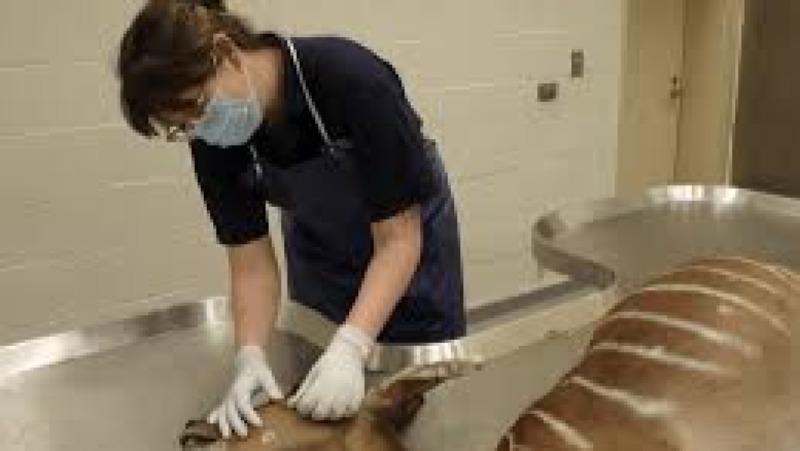
Wildlife pathology and necropsy Training Course play a critical role in understanding the health, disease dynamics, and conservation needs of wild animal populations. This course offers a comprehensive, hands-on approach to diagnosing diseases, understanding pathological changes, and applying necropsy techniques to enhance wildlife management and research initiatives. By integrating practical laboratory skills with theoretical knowledge, participants will gain expertise essential for improving wildlife health monitoring, disease surveillance, and conservation strategies.
The course emphasizes the importance of accurate disease diagnosis, biosecurity measures, and ethical handling of wildlife specimens. Participants will engage in case-based learning, real-world necropsy exercises, and advanced diagnostic methods to build proficiency in detecting pathological conditions. This training is designed for wildlife professionals, veterinarians, researchers, and conservationists seeking to enhance their scientific and practical skills in wildlife health assessment.
Course Objectives
1. Develop expertise in wildlife pathology and necropsy procedures.
2. Identify common infectious and non-infectious diseases in wildlife species.
3. Apply standard protocols for safe handling and disposal of wildlife specimens.
4. Conduct systematic necropsies with accurate documentation.
5. Utilize laboratory techniques for histopathology and disease diagnosis.
6. Interpret pathological findings to inform wildlife management strategies.
7. Apply biosecurity and zoonotic disease prevention measures.
8. Integrate field data with laboratory results for comprehensive disease assessment.
9. Recognize emerging wildlife diseases and their ecological impacts.
10. Implement quality assurance and ethical practices in wildlife research.
11. Enhance reporting and communication of necropsy findings for decision-making.
12. Strengthen collaboration between wildlife health professionals and conservation agencies.
13. Use case studies to analyze real-world wildlife disease scenarios.
Organizational Benefits
┬╖ Improved wildlife health monitoring and disease management.
┬╖ Enhanced capacity for wildlife disease diagnosis and prevention.
┬╖ Strengthened biosecurity protocols and risk mitigation.
┬╖ Reduced wildlife mortality through early detection of diseases.
┬╖ Increased efficiency in necropsy and pathological examinations.
┬╖ Improved compliance with wildlife health regulations.
┬╖ Enhanced research outcomes for conservation initiatives.
┬╖ Better preparedness for emerging zoonotic disease threats.
┬╖ Development of skilled wildlife health professionals.
┬╖ Strengthened institutional credibility in wildlife management programs.
Target Audiences
┬╖ Wildlife veterinarians
┬╖ Conservation biologists
┬╖ Veterinary pathologists
┬╖ Zoonotic disease researchers
┬╖ Wildlife rehabilitation specialists
┬╖ Government wildlife officers
┬╖ Academic researchers in animal health
┬╖ Laboratory technicians specializing in wildlife
Course Duration: 5 days
Course Modules
Module 1: Introduction to Wildlife Pathology
┬╖ Principles of wildlife pathology and disease ecology
┬╖ Classification of wildlife diseases
┬╖ Importance of necropsy in wildlife management
┬╖ Ethical considerations in wildlife handling
┬╖ Case study: Disease outbreak investigation in a wildlife reserve
┬╖ Practical demonstration of specimen handling
Module 2: Necropsy Techniques and Protocols
┬╖ Step-by-step necropsy procedures
┬╖ Instrumentation and dissection techniques
┬╖ Safety and biosecurity measures
┬╖ Tissue sampling for laboratory analysis
┬╖ Documentation and reporting of necropsy findings
┬╖ Case study: Necropsy of a suspected viral-infected mammal
Module 3: Infectious Diseases in Wildlife
┬╖ Common bacterial, viral, and parasitic infections
┬╖ Transmission routes and epidemiology
┬╖ Clinical signs and pathological changes
┬╖ Laboratory diagnosis and confirmation methods
┬╖ Control measures and disease management
┬╖ Case study: Avian influenza detection in migratory birds
Module 4: Non-infectious and Environmental Pathologies
┬╖ Nutritional deficiencies and toxicities
┬╖ Trauma and injury assessment
┬╖ Effects of pollutants and environmental stressors
┬╖ Identification of pathological lesions
┬╖ Prevention strategies and habitat management
┬╖ Case study: Lead poisoning in scavenger species
Module 5: Diagnostic Laboratory Techniques
┬╖ Histopathology and cytology procedures
┬╖ Sample preparation and staining techniques
┬╖ Microscopic examination and interpretation
┬╖ Molecular diagnostic methods in wildlife
┬╖ Integrating lab results with field observations
┬╖ Case study: Parasitic infection diagnosis in reptiles
Module 6: Zoonotic Disease Awareness
┬╖ Key zoonotic pathogens in wildlife
┬╖ Risk assessment for humans and domestic animals
┬╖ Biosecurity protocols for fieldwork
┬╖ Personal protective equipment (PPE) guidelines
┬╖ Disease prevention and public health implications
┬╖ Case study: Rabies investigation in wild carnivores
Module 7: Data Analysis and Reporting
┬╖ Systematic recording of necropsy findings
┬╖ Statistical analysis for disease monitoring
┬╖ Developing comprehensive reports for management use
┬╖ Use of GIS and mapping in wildlife disease studies
┬╖ Communication of findings to stakeholders
┬╖ Case study: Disease trend analysis in regional wildlife populations
Module 8: Conservation and Wildlife Management Applications
┬╖ Applying necropsy results to conservation strategies
┬╖ Disease prevention in wildlife reserves
┬╖ Policy development and implementation
┬╖ Cross-sector collaboration for wildlife health
┬╖ Evaluating intervention success
┬╖ Case study: Implementing health management plans for endangered species
Training Methodology
┬╖ Interactive lectures with real-life examples
┬╖ Hands-on necropsy and laboratory exercises
┬╖ Case study analysis and group discussions
┬╖ Field demonstrations in wildlife habitats
┬╖ Use of digital tools for disease mapping and documentation
┬╖ Continuous assessment through practical tasks and quizzes
Register as a group from 3 participants for a Discount
Send us an email: info@datastatresearch.org or call +254724527104
Certification
Upon successful completion of this training, participants will be issued with a globally- recognized certificate.
Tailor-Made Course
We also offer tailor-made courses based on your needs.
Key Notes
a. The participant must be conversant with English.
b. Upon completion of training the participant will be issued with an Authorized Training Certificate
c. Course duration is flexible and the contents can be modified to fit any number of days.
d. The course fee includes facilitation training materials, 2 coffee breaks, buffet lunch and A Certificate upon successful completion of Training.
e. One-year post-training support Consultation and Coaching provided after the course.
f. Payment should be done at least a week before commence of the training, to DATASTAT CONSULTANCY LTD account, as indicated in the invoice so as to enable us prepare better for you.