Research Data Analysis Courses
Comprehensive Research Data Analysis training programs for professionals
Comprehensive Research Data Analysis training programs for professionals
Predictive Process Monitoring in Research Workflows Training Course is combined with Predictive Process Monitoring (PPM) strategies to enhance transparency, quality assurance, and project foresight within complex research workflows.
Predictive Process Monitoring in Research Workflows Training Course is combined with Predictive Process Monitoring (PPM) strategies to enhance transparency, quality assurance, and project foresight within complex research workflows.
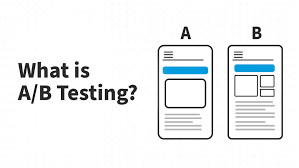
A/B Testing and Multivariate Testing in Research Design Training Course bridges the gap between qualitative sensitivity and quantitative rigor, ensuring participants can responsibly handle emotionally charged or ethically complex topics while leveraging experimental design tools like split testing, control groups, and variable optimization.
A/B Testing and Multivariate Testing in Research Design Training Course bridges the gap between qualitative sensitivity and quantitative rigor, ensuring participants can responsibly handle emotionally charged or ethically complex topics while leveraging experimental design tools like split testing, control groups, and variable optimization.
Bayesian NetworksΓÇöa powerful tool in probabilistic reasoningΓÇöoffer a transparent and rigorous way to model uncertainty, infer relationships, and handle incomplete or uncertain data, making them ideal for analyzing sensitive issues.
Bayesian NetworksΓÇöa powerful tool in probabilistic reasoningΓÇöoffer a transparent and rigorous way to model uncertainty, infer relationships, and handle incomplete or uncertain data, making them ideal for analyzing sensitive issues.
Conjoint Analysis for Preference Measurement in Research Training Course delves into ethical frameworks, culturally sensitive methods, and trauma-informed practices for researching sensitive topics while ensuring participant safety, data reliability, and research integrity.
Conjoint Analysis for Preference Measurement in Research Training Course delves into ethical frameworks, culturally sensitive methods, and trauma-informed practices for researching sensitive topics while ensuring participant safety, data reliability, and research integrity.
Discrete Choice Modeling for Survey Data Training Course is tailored to equip participants with the skills to design, collect, and analyze choice-based surveys addressing ethically complex or confidential subjects.
Discrete Choice Modeling for Survey Data Training Course is tailored to equip participants with the skills to design, collect, and analyze choice-based surveys addressing ethically complex or confidential subjects.
Metadata Standards for Research Data Interoperability Training Course equips researchers, data stewards, librarians, and technologists with the tools, techniques, and knowledge needed to create and manage interoperable research data systems.
Metadata Standards for Research Data Interoperability Training Course equips researchers, data stewards, librarians, and technologists with the tools, techniques, and knowledge needed to create and manage interoperable research data systems.
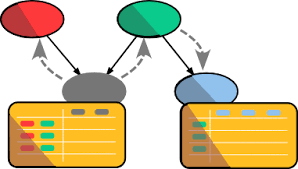
Causal Machine Learning for Intervention Analysis Training Course bridges the gap between traditional econometrics and modern AI, equipping professionals with robust techniques to analyze the real-world effects of interventions using state-of-the-art machine learning tools.
Causal Machine Learning for Intervention Analysis Training Course bridges the gap between traditional econometrics and modern AI, equipping professionals with robust techniques to analyze the real-world effects of interventions using state-of-the-art machine learning tools.
Data Science for Good in Social Impact Research Training Course equips participants with essential data science skills tailored specifically for impact-driven research, helping them collect, analyze, and visualize data in ways that influence policy, inform communities, and promote equity.
Data Science for Good in Social Impact Research Training Course equips participants with essential data science skills tailored specifically for impact-driven research, helping them collect, analyze, and visualize data in ways that influence policy, inform communities, and promote equity.
Fairness, Accountability, and Transparency (FAT) in AI Research Training Course is designed to equip professionals, researchers, and policymakers with a deep understanding of how to identify, mitigate, and address bias, discrimination, and lack of accountability in AI systems
Fairness, Accountability, and Transparency (FAT) in AI Research Training Course is designed to equip professionals, researchers, and policymakers with a deep understanding of how to identify, mitigate, and address bias, discrimination, and lack of accountability in AI systems
Research Data Management Plans (DMPs) Best Practices Training Course is designed to equip researchers, data stewards, project managers, and institutional leaders with the knowledge and tools to create and implement robust, FAIR-compliant (Findable, Accessible, Interoperable, Reusable) data management plans.
Research Data Management Plans (DMPs) Best Practices Training Course is designed to equip researchers, data stewards, project managers, and institutional leaders with the knowledge and tools to create and implement robust, FAIR-compliant (Findable, Accessible, Interoperable, Reusable) data management plans.
Data Storytelling with Generative AI Training Course empowers professionals, researchers, and journalists to navigate the nuances of sensitive data, uncover hidden insights, and present narratives with impact.
Data Storytelling with Generative AI Training Course empowers professionals, researchers, and journalists to navigate the nuances of sensitive data, uncover hidden insights, and present narratives with impact.
AI in Scientific Discovery and Hypothesis Generation Training Course equips participants with advanced tools to leverage AI responsibly, ensuring ethical integrity, data transparency, and scientific accuracy.
AI in Scientific Discovery and Hypothesis Generation Training Course equips participants with advanced tools to leverage AI responsibly, ensuring ethical integrity, data transparency, and scientific accuracy.