Optimizing Textures in Extruded Snack Products Training Course
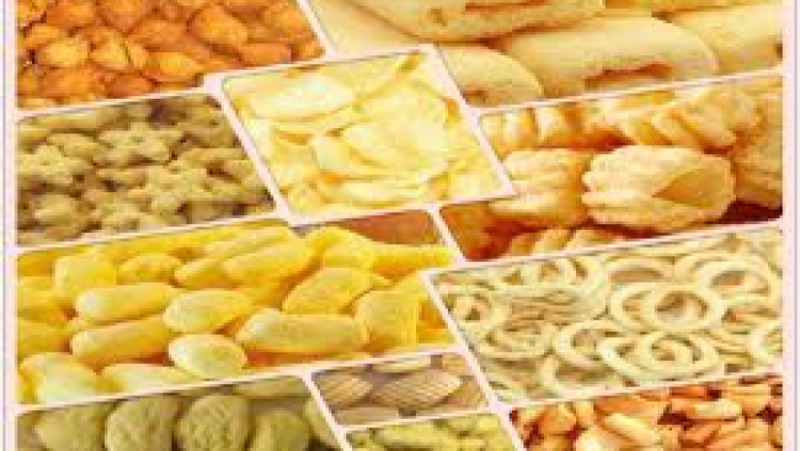
Optimizing Textures in Extruded Snack Products Training Course is designed to provide a deep understanding of how ingredient selection, processing parameters, and formulation strategies affect the textural quality of extruded snacks.
Skills Covered
Course Overview
Optimizing Textures in Extruded Snack Products Training Course
Introduction
Optimizing Textures in Extruded Snack Products Training Course is designed to provide a deep understanding of how ingredient selection, processing parameters, and formulation strategies affect the textural quality of extruded snacks. This course focuses on the science and technology behind achieving ideal crispiness, crunchiness, and mouthfeelΓÇökey sensory attributes that drive consumer preference and market success. Through practical insights, participants will learn how to optimize extrusion systems, manage moisture distribution, and control structural transformations that determine final product texture.
In todayΓÇÖs competitive snack food industry, achieving consistent texture optimization requires not only technical knowledge but also creativity and precision. Participants will explore modern extrusion technologies, process simulations, and real-world case studies to enhance their product innovation capabilities. The training integrates food engineering principles, ingredient functionality, texture analysis, and quality assurance to equip professionals with the tools to develop high-performance extruded products with consumer-desired textures.
Course Objectives
- Understand the fundamentals of texture formation in extruded snack products.
- Analyze how processing variables influence structural and sensory properties.
- Apply advanced extrusion technology for texture optimization.
- Identify ingredient interactions affecting expansion and crispiness.
- Evaluate moisture distribution and its impact on texture stability.
- Develop formulations for targeted textural characteristics.
- Implement quality control tools for consistent product texture.
- Use sensory evaluation methods for texture profiling.
- Integrate texture modification strategies for product innovation.
- Optimize process efficiency to reduce production variability.
- Assess the role of starch, protein, and lipid components in texture control.
- Employ data-driven approaches for process and product optimization.
- Apply case study insights to improve commercial product texture outcomes.
Organizational Benefits
- Improved product quality and consumer satisfaction.
- Enhanced technical capacity in snack production teams.
- Reduced waste and process variability.
- Faster product development cycles.
- Competitive advantage through innovation.
- Improved equipment utilization and energy efficiency.
- Stronger R&D and quality control collaboration.
- Enhanced staff competency in texture optimization.
- Better understanding of market-driven product design.
- Consistent delivery of high-performing snack products.
Target Audiences
- Food product developers and technologists.
- Snack manufacturing engineers.
- Quality assurance and control professionals.
- Research and development scientists.
- Ingredient suppliers and application specialists.
- Production and process optimization teams.
- Sensory and consumer testing experts.
- Technical managers in food innovation departments.
Course Duration: 5 days
Course Modules
Module 1: Fundamentals of Extrusion Technology
- Principles of extrusion processing.
- Types of extruders and their operational parameters.
- Relationship between extrusion and product structure.
- Energy input and its effect on product expansion.
- Equipment calibration for texture consistency.
- Case Study: Optimizing expansion in corn-based snacks.
Module 2: Ingredient Functionality in Texture Development
- Role of starches, proteins, and lipids in extrusion.
- Effects of ingredient ratios on product density and crispness.
- Functional additives and hydrocolloids in snack texture.
- Interactions between raw materials and processing conditions.
- Ingredient selection for enhanced mouthfeel.
- Case Study: Reformulation for improved crunch in rice-based snacks.
Module 3: Processing Variables and Texture Optimization
- Influence of screw speed, feed rate, and barrel temperature.
- Moisture management in preconditioning and extrusion.
- Pressure dynamics and product expansion.
- Post-extrusion drying and cooling techniques.
- Monitoring in-line process parameters.
- Case Study: Parameter adjustments for achieving optimal crispness.
Module 4: Texture Measurement and Sensory Analysis
- Objective methods for measuring hardness and crispness.
- Use of texture analyzers and acoustic sensors.
- Correlation between instrumental and sensory data.
- Designing texture profiling studies.
- Interpretation of sensory panel feedback.
- Case Study: Texture mapping of multigrain snacks.
Module 5: Product Formulation Strategies
- Developing formulations for targeted textures.
- Balancing taste, color, and texture.
- Incorporating functional and natural ingredients.
- Textural stability during shelf life.
- Product differentiation through formulation innovation.
- Case Study: Formulation redesign for high-protein extruded snacks.
Module 6: Quality Control and Process Validation
- Setting texture specifications and benchmarks.
- Statistical process control tools for texture monitoring.
- Detecting and correcting texture deviations.
- Quality assurance during large-scale production.
- Integrating quality data with R&D systems.
- Case Study: Continuous improvement in texture consistency.
Module 7: Innovations in Extruded Snack Textures
- Emerging technologies in extrusion and texturization.
- Advanced modeling and simulation of extrusion processes.
- Application of digital twins in snack manufacturing.
- Use of enzymes and novel ingredients for texture control.
- Trends in consumer-driven textural innovation.
- Case Study: Adopting AI for predictive texture control.
Module 8: Commercial Case Studies and Practical Applications
- Review of successful extruded snack brands.
- Lessons from industry best practices.
- Common challenges in texture optimization.
- Implementing process improvements.
- Evaluating ROI in texture enhancement projects.
- Case Study: Achieving consistent crunch across production lines.
Training Methodology
- Interactive lectures with multimedia presentations.
- Practical demonstrations using extrusion equipment.
- Group discussions and peer knowledge sharing.
- Real-life case study evaluations.
- Hands-on formulation and texture analysis exercises.
- Assessment through quizzes and project work.
Register as a group from 3 participants for a Discount
Send us an email: info@datastatresearch.org or call +254724527104
Certification
Upon successful completion of this training, participants will be issued with a globally- recognized certificate.
Tailor-Made Course
We also offer tailor-made courses based on your needs.
Key Notes
a. The participant must be conversant with English.
b. Upon completion of training the participant will be issued with an Authorized Training Certificate
c. Course duration is flexible and the contents can be modified to fit any number of days.
d. The course fee includes facilitation training materials, 2 coffee breaks, buffet lunch and A Certificate upon successful completion of Training.
e. One-year post-training support Consultation and Coaching provided after the course.
f. Payment should be done at least a week before commence of the training, to DATASTAT CONSULTANCY LTD account, as indicated in the invoice so as to enable us prepare better for you.